Auto Dealership Roofing in Allen, TX
An auto dealership combines showroom glazing, service bays, parts storage, offices, and an outdoor vehicle lot. Roof work above the service area can affect lifts, tools, and scheduled repairs, while a leak in the showroom can interrupt customer visits. Allen's retail mix includes the Allen Premium Outlets area, Watters Creek, and commercial development near Stacy Road. We inspect the property and set auto dealership roofing in Allen around the building's use and access routes.
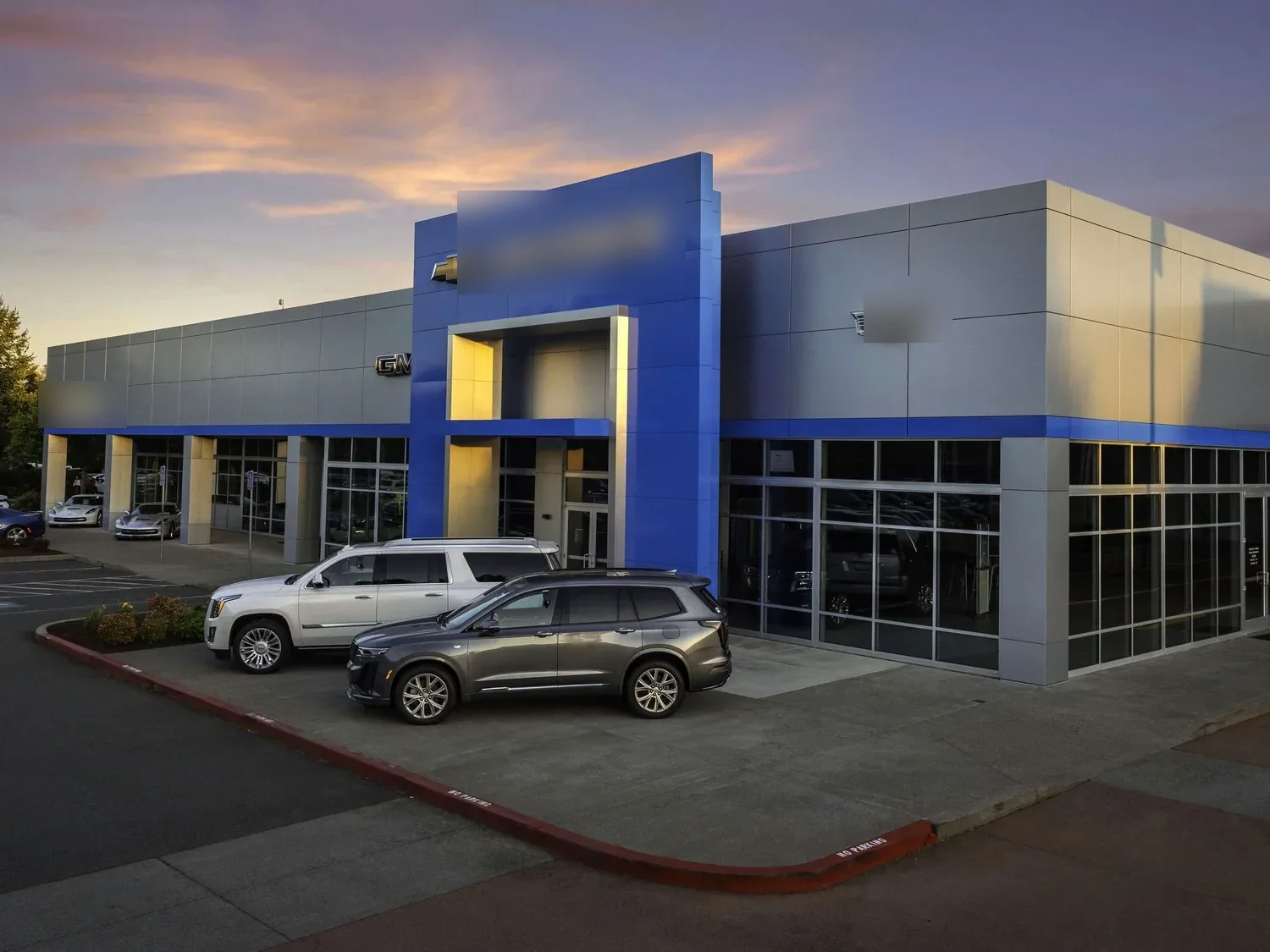
Keep service bays and customer routes clear
Dealership staff identify vehicle entry, parts delivery, customer parking, service appointments, and the areas where cars cannot be moved. Material staging and lift operation should not block the drive-in doors or emergency lane. We coordinate the work boundary with service management and identify when a bay can be closed. If the showroom remains open, the plan also notes the entrance, reception, and display areas near the roof work.
Projects can be sequenced by showroom, parts wing, service bay, and office when roof conditions allow separate phases. Each section has a controlled opening and a dry-in point before the crew advances. An occupied-building reroof plan can coordinate noisy removal with service hours and customer traffic. The facility contact should know where equipment arrives, where debris leaves, and whether a short parking restriction is needed on a particular workday.
Trace leaks to the roof assembly
Water at a service bay can appear beside a lift, parts area, or electrical panel even when the roof opening sits near a rooftop unit or perimeter. We compare the report with roof slope, drains, seams, curbs, flashing, and previous repairs. The technician or service manager can identify the date and affected area, while the roofing inspection confirms the likely entry point. A ceiling stain alone does not define the repair boundary.
We inspect the field membrane, metal panels, fasteners, edge conditions, skylights, equipment supports, and drainage. A roof inspection maps the observations and identifies whether moisture testing could reveal wet insulation. We distinguish a repairable seam from a broad area requiring an opening or deck evaluation. That record helps the dealership decide whether a bay needs temporary protection, whether operations should move a vehicle, and how the permanent work can be staged.
Coordinate rooftop units and exhaust
Service facilities may have exhaust fans, make-up air, HVAC units, and vents that keep the shop usable. Each curb or penetration creates a roof transition that needs compatible flashing. We check for loose attachment, cracked sealant, damaged membrane, and service paths worn by repeated technician visits. If a unit is due for replacement, its final location should be agreed before the roof is closed around a new curb.
Outside mechanical contractors should know how roof access is controlled and who is responsible for restoring disturbed flashing. The dealership can keep a record of unit work and roof observations together. A curb and support repair can address the interface after an equipment change. Large retail tenants may have a broader public-access concern, while a big-box roof plan covers another large-format building type.
Check metal, drainage, and exposed edges
In Dallas-Fort Worth, peak summer days can exceed 100°F; humid Gulf air is another exposure for roof assemblies. Exposed roof material, sealants, and metal edges move through those temperature cycles. Spring is the Dallas-Fort Worth region's strongest period for severe thunderstorms, which can bring hail and damaging wind. After a reported storm, we inspect the dealership roof and tie each finding to the affected section.
After a reported storm, we inspect and photograph the roof itself: field marks, open seams, displaced coping, loose edge metal, and conditions near rooftop equipment. We also check drains and scuppers so runoff does not reach vehicle entrances or service doors. A hail damage inspection can separate visible impact from existing wear and identify where further testing is justified.
Select repair or renewal based on condition
Dealerships may have low-slope single-ply roofs, built-up or modified bitumen, metal canopies, and later additions with different assemblies. We identify the material and attachment before selecting a patch. Preparation, compatibility, insulation, and deck condition affect the repair. If a coating is present, we determine its type and whether the underlying material is sound before adding another layer.
Localized seam or flashing failures can be repaired when the surrounding roof remains serviceable. Widespread moisture, recurring leaks, failed attachment, or deck deterioration can shift the scope toward replacement. Recovery may be suitable if the existing system is dry, secure, and within code limits. Tear-off reveals hidden conditions but requires more material handling and interior protection. A shopping center roof assessment addresses multi-tenant access, while a dealership plan prioritizes service bay and vehicle movement.
Tie repairs to asset and service records
Roof records should be linked to building zones, leak calls, equipment work, and repairs. We can provide a condition report with photos, priorities, and next steps. Service managers can keep that map alongside HVAC and shop maintenance files, helping the next team locate an earlier repair before opening the same area again.
Cost and schedule depend on material layers, equipment density, access, deck condition, staging, and the operating windows available for service bays. A proposal should define which sections close, where deliveries stage, how vehicles move, and when each area is safe to use again. Scheduled roof maintenance can revisit drains, seams, flashing, and areas affected by mechanical work. That keeps the roof on the asset calendar without confusing a reported water symptom with a confirmed roof defect.
Before work starts, we verify that the proposed scope separates showroom, service, and stockroom roof areas and identifies any shared drainage. A repair over the service bay may need to be scheduled around vehicles on lifts, while the same work above an office can use a different time window. We confirm which areas can be isolated, where customers and vendors may travel, and how the crew will keep debris away from the lot.
When removal begins, concealed insulation and deck conditions can change the repair limits. We document the opening and seek direction before moving into adjacent zones. The closeout shows the materials installed, edges tied in, drainage checked, and areas left for future attention. A manager can then return bays or customer areas to normal use with an accurate record of what was completed. The service department can attach its equipment work log to that location reference for future inspections and project estimating decisions across the full property and site.
Commercial Roofing Questions
Can service bays remain open during reroofing?
Work can be phased by bay or roof area when staging, noise, weather, and tie-in conditions support it. The service manager identifies which doors and vehicle routes must remain clear.
How do you protect cars and equipment below a leak?
We identify the affected roof area with dealership staff, coordinate temporary protection, and document the permanent repair separately. The service team decides whether vehicles or tools need to move.
Do rooftop exhaust replacements affect the roof?
They can change curbs, penetrations, and flashing. We coordinate the unit position and roof restoration with the mechanical contractor before the opening is closed.
What should a dealership inspection cover?
The inspection checks seams, curbs, vents, drains, edges, skylights, prior repairs, and the reported interior area. Findings are mapped so service and property staff can plan the work.
How do you choose repair versus replacement?
The decision follows the extent of moisture, recurring defects, attachment, deck condition, and service disruption. We identify confirmed conditions and explain any remaining test needs.