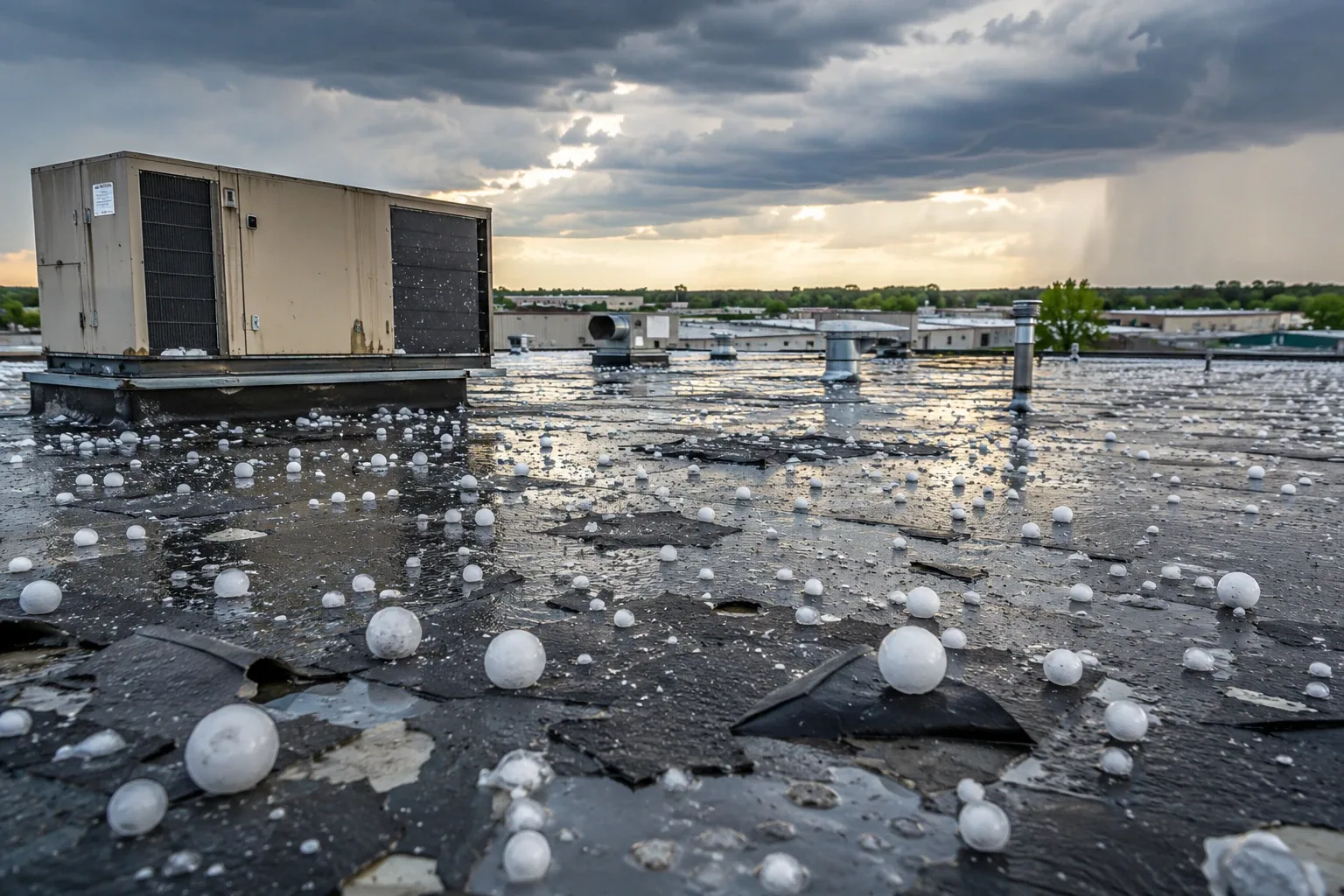
Flashing Failure Roof Repair in Allen, TX
Flashing failure is often found where the roof meets a wall, curb, skylight, pipe, or edge. Water can enter at that transition and travel before it appears inside. Allen's Watters Creek office and retail district and the industrial and technology uses near 121 Tech Park have varied roof details. We inspect commercial roof flashing in Allen by assembly and transition, then define a repair that restores the water path.
Inspect each transition around the roof
We check wall terminations, parapets, curbs, pipes, skylights, rooftop units, expansion joints, and edge metal. Flashing may be loose, split, poorly lapped, corroded, or incompatible with the surface beneath it. Sealant can separate or conceal an open seam, so the assessment records material and attachment, not just the appearance of a bead. Photos identify the detail and the adjoining roof zone.
At a pipe or curb, the repair has to accommodate movement and keep water from reaching the insulation. A penetration flashing repair can address a pipe or skylight detail, while a curb repair coordinates flashing around mechanical equipment. The scope also checks whether the supporting material is secure and whether the transition connects to an intact membrane or panel.
Trace water beyond the visible interior mark
A ceiling stain below a parapet does not prove that the parapet is the entry point. Water can run along a deck, wall, or insulation joint and appear farther inside. We compare interior reports with roof slope, flashing details, drainage, and repair history. Staff can note when water appeared and whether it followed rain, but the roof condition is verified in the field.
Inspection covers adjacent seams, fasteners, edge metal, drains, and penetrations so a new flashing repair does not leave another entry path beside it. A roof inspection maps those conditions. If wet insulation is suspected, targeted testing may show whether the repair needs to extend past the visible flashing. We identify confirmed moisture separately from suspected areas and inaccessible details.
Match the repair material to the roof system
Flashing differs across TPO, PVC, EPDM, modified bitumen, built-up roofing, and metal. A thermoplastic detail may use a compatible welded membrane; another assembly may need a different flashing sheet, primer, or mechanical termination. We identify the installed system and surface condition before specifying material. Old coating, dirt, or prior patch layers can affect preparation and adhesion.
Where a detail has failed repeatedly, the repair may need to correct lap direction, secure the termination, replace damaged substrate, or improve how runoff reaches the drain. Simply adding more sealant can hide an opening without restoring the assembly. For roof seams, seam failure repair addresses the field connection; wind damage repair may address displaced edges or metal after a storm. The actual roof evidence determines whether either condition is present.
Account for heat and storm movement
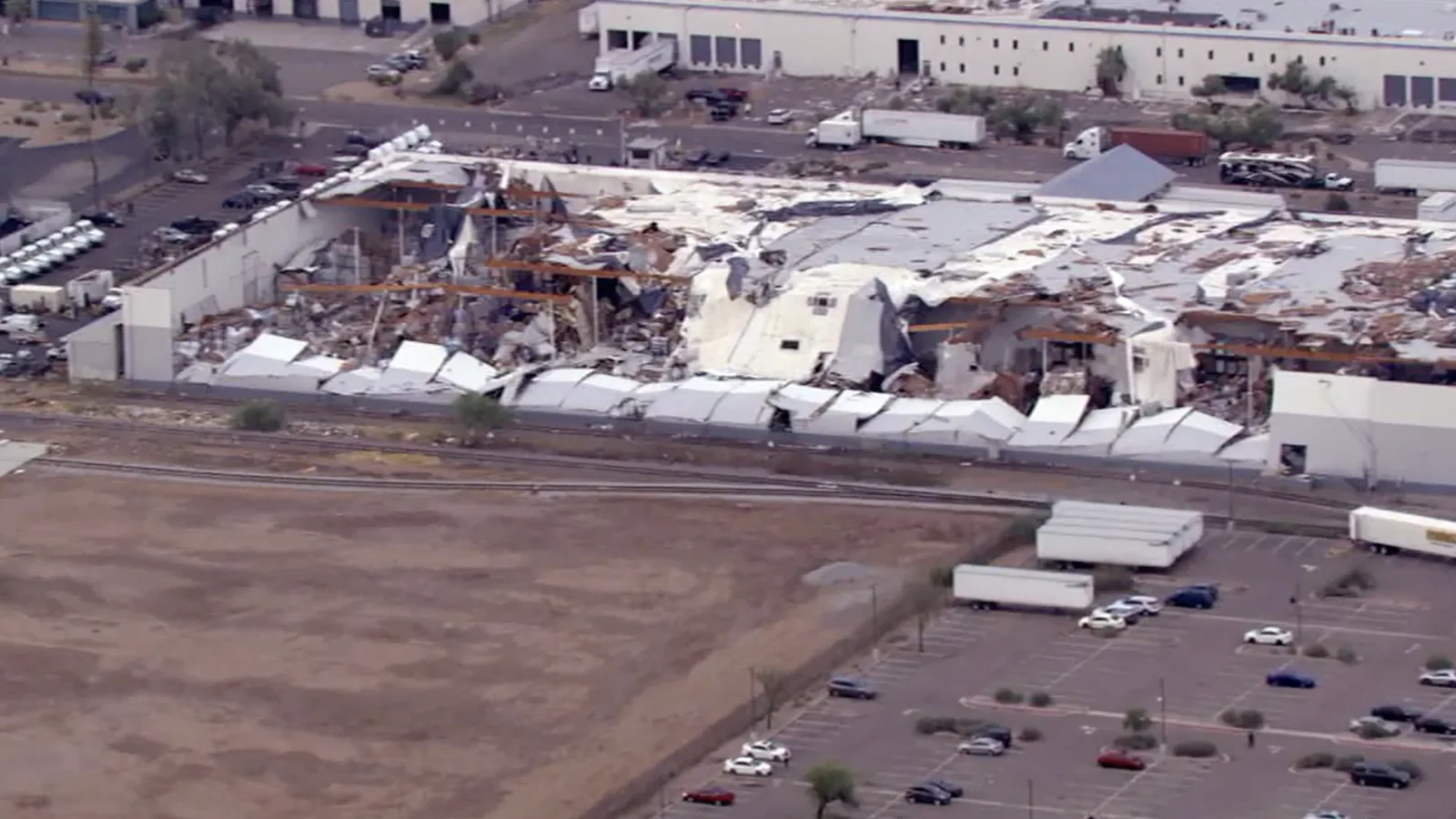
July and August highs in Dallas-Fort Worth often reach 100°F or more; Gulf moisture keeps the area humid. Heat cycles can move metal and stress exposed sealants. Spring is the region's highest-risk season for severe thunderstorms, with hail and damaging wind possible. These conditions are context for inspection, not evidence that one flashing detail failed during a specific storm.
After a reported leak or storm, we photograph the actual transition and check its attachment, water path, and adjacent roof material. If runoff backs up near a parapet or scupper, the repair plan includes the outlet condition. A flashing repair should not redirect water into a wall or conceal blocked drainage. The report names the observed issue, materials recommended, and any test opening needed to confirm the substrate.
Set the work boundary and adjacent protection
A localized split or loose termination may be repaired when surrounding roof material and substrate remain sound. If flashing failure has admitted water into insulation or damaged the deck, those layers must be included. We map the visible and confirmed limits and identify any concealed area that could expand the work. That lets an owner compare a detail repair with a broader roof section renewal.
Work planning considers roof access, equipment service, occupant protection, and the weather window. The crew removes incompatible material, prepares the surface, installs a compatible transition, and checks the completed tie-in. A commercial roof repair may address a localized detail, while replacement is considered when repeated transitions fail across a larger area. The proposal states what is included and what would require owner approval after opening.
Keep a detail history for future inspections
The repair record should identify the flashing location, roof system, preparation, materials installed, photos, and any area left for testing. A roof condition report can link the detail to the roof map. Maintenance teams can compare the same transition during future service and note whether sealant, membrane, or metal has changed.
Other trades can disturb flashing when equipment, signs, conduit, or wall components are modified. Facility staff can keep roof access and equipment work notes together and request inspection after a change. Closeout identifies which contractor completed the repair and whether adjacent details were also reviewed. That record helps distinguish a new opening from a previously repaired transition and guides the next maintenance action.
During a future inspection, the reviewer should compare the same curb or wall transition and note any movement, surface cracking, corrosion, or new moisture. A repair can remain sound even as an adjacent penetration changes, so records identify the exact location rather than describing an entire elevation as complete. Facility staff can keep equipment replacement dates with the roof photos and request a check after outside contractors alter a support or pipe at the property.
Preparation also matters at a repaired detail. The scope identifies loose material removed, the condition of the substrate, the termination method, and how the surface was made ready for new material. If the substrate cannot be seen until opening, the estimate states the review point before expanded work proceeds. That helps the owner distinguish a field repair from an allowance for hidden damage and evaluate a change request against the original work area. The file can record who accepted final closeout and assigned follow-up responsibility.
At closeout, we record the tie-in and the drainage direction next to the repaired transition. If water was previously collecting near a parapet or equipment curb, the report notes whether a drain or overflow was also reviewed. The facility team receives any remaining inspection or cleaning item so the next service visit can check the right detail and confirm that water moves to the intended outlet after the next rain event.
Commercial Roofing Questions
What causes commercial roof flashing to fail?
Movement, poor attachment, incompatible materials, open laps, aging sealant, or water backup can affect a transition. We inspect the assembly and substrate before selecting a repair.
Can sealant repair a leaking roof flashing?
Sometimes a compatible sealant is part of a repair, but it does not correct loose metal, a failed membrane lap, wet insulation, or a damaged substrate by itself.
How do you find the entry point?
We compare the interior report with roof slope, parapets, curbs, penetrations, drains, and prior repairs. Water can travel, so the visible stain is not assumed to be the source.
Can flashing be repaired without replacing the roof?
A localized defect may be repaired when surrounding material and attachment are sound. Broader moisture or repeated failures can expand the scope.
What should be included in a flashing repair record?
Record the roof zone, system, detail, material used, photos, confirmed moisture, and any test area or maintenance follow-up that remains.