Commercial Roofing for Logistics and 3PL Facilities in Allen, TX
Logistics roof work has to fit into a facility that may run receiving, storage, picking, and dispatch on rotating shifts. A leak over inventory or a blocked loading path can affect a different part of the operation than a defect above an office. Allen's 121 Tech Park includes industrial and technology uses near US 75 and SH 121. We plan logistics roofing in Allen around dock flow, roof zones, and the facility's operating calendar.
Protect dock schedules and yard movement
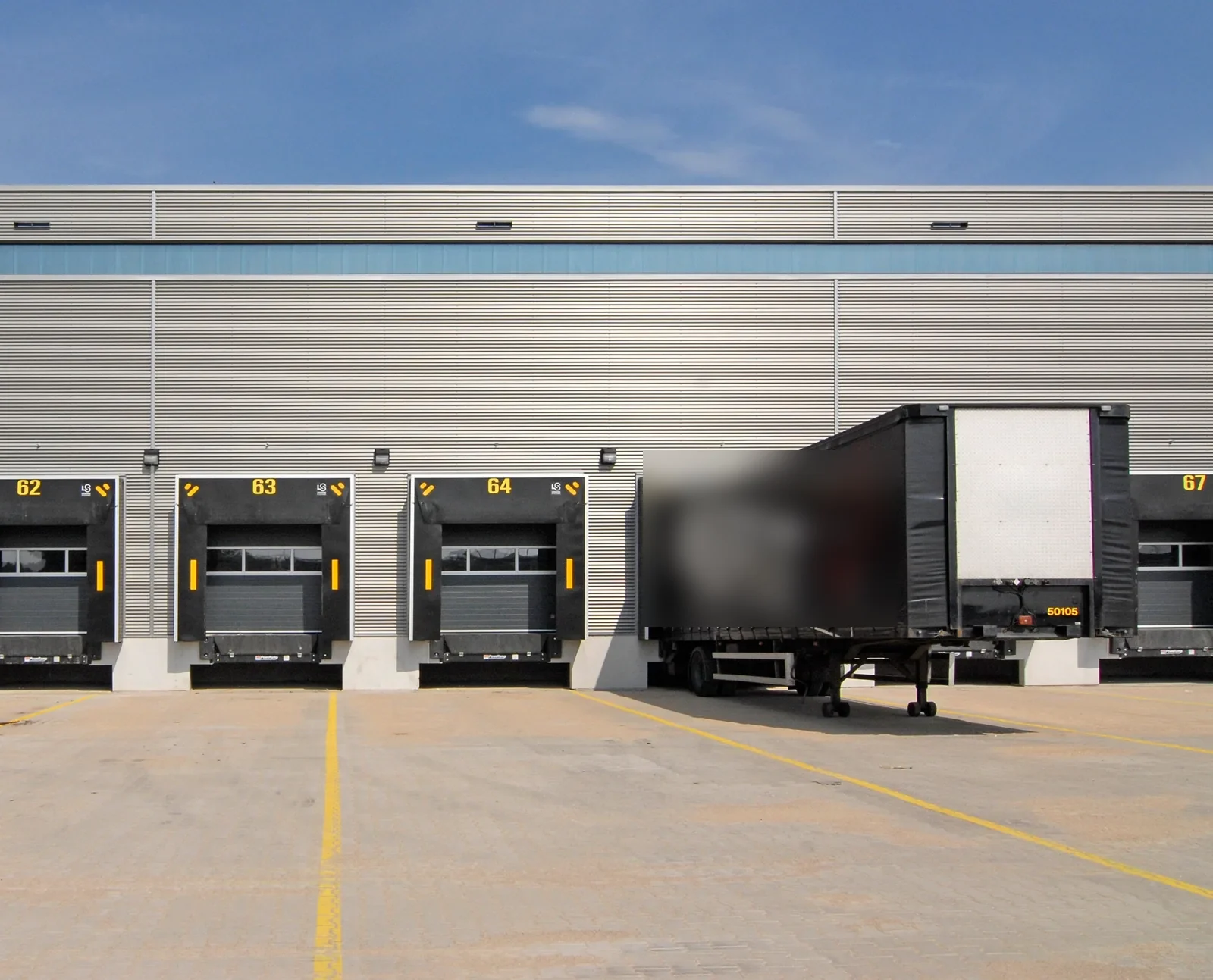
Before staging, the site lead identifies trailer routes, door assignments, dispatch times, pedestrian paths, and any lane that must remain open. Roofing material delivery may compete with freight movements, while a lift can occupy the yard or block a fire route. We coordinate location and timing with operations before crews arrive. If a dock door must close briefly, the plan names the shift and the alternatives available.
Roof work may be phased by building or dock zone when tie-ins, drains, and weather support that order. A daily closeout protects inventory below and leaves a clear route for the next shift. At a distribution center, dock and dispatch needs shape the work window. A warehouse may need a different sequence for storage, loading, and material handling. Each still requires a site-specific access plan.
Trace leaks without losing the affected aisle
A ceiling drip over one aisle may originate at a seam near a rooftop unit and travel along the deck. We compare the interior report with roof slope, drains, curbs, wall transitions, and previous repairs. Operations can identify the affected inventory area and whether work should avoid a particular pick path. The roof inspection confirms where water enters before a repair boundary is set.
Inspection covers membrane or panels, seams, fasteners, penetrations, edge metal, scuppers, drains, and visible deck changes. A commercial roof inspection records conditions by building and zone and identifies whether testing could confirm hidden moisture. If wet insulation is present, the removal limit should be mapped so inventory protection can be arranged only where work occurs. Confirmed findings remain distinct from an area that needs a test opening.
Coordinate rooftop units and facility changes
Logistics buildings may have HVAC units, exhaust, skylights, electrical supports, and conveyor or dock equipment that changes over time. Each curb or penetration needs compatible flashing. We inspect around supports and service paths, and coordinate with mechanical contractors when units move. Abandoned openings need permanent closure, not a temporary cap that leaves a vulnerable transition.
After a contractor visits, facility maintenance can record whether a membrane was disturbed or a drain was blocked. Roof access should be managed so service workers stay on approved paths and do not stage material at an outlet. A curb repair can restore the roof around relocated equipment. If a manufacturer shares the property or portfolio, manufacturer roof coordination includes production windows and process equipment needs.
Prepare for heat, hail, and heavy rain
DFW summers regularly reach or exceed 100°F, and spring has the highest severe-thunderstorm frequency in the region. Heat and humidity affect exposed roofing materials, while hail, wind, and convective rain can stress seams, edges, and drainage. These facts guide maintenance timing but do not confirm that a particular warehouse or distribution facility was struck. We inspect actual conditions after a reported event and document what was observed.
Drainage checks matter when logistics buildings have long roof runs and multiple outlets. We identify blockages, ponding, loose edge conditions, and water near dock walls. A blocked outlet can send runoff toward a loading area; a persistent low point needs a separate review. The facility team receives any immediate protection needs and the permanent repair scope so operations can distinguish a temporary measure from a resolved roof defect.
Compare repair and renewal by roof zone
A localized puncture or flashing issue may be repaired when the surrounding assembly is sound. Broad wet insulation, repeated seam failure, poor attachment, or deck deterioration can call for replacement. We identify confirmed damage, areas needing testing, and sections that remain serviceable. That map lets the owner evaluate a phased project without assuming every roof zone must be removed at once.
If several facilities share the same roof material, repair details still need inspection at each property. The dock canopy, perimeter condition, deck profile, and equipment layout may differ. We specify how each location will be prepared and closed so repeat work can be scheduled without copying assumptions from another building. The operator can then coordinate material orders and service windows with a scope grounded in the site that needs the work.
Recovery depends on existing layers, attachment, moisture, roof height, drainage, and code. Tear-off exposes hidden material but adds debris handling, temporary protection, and schedule demands. Cost and timing also depend on dock access, lift reach, staging, and operating hours. A roof condition report connects photos with recommended actions, and a maintenance program keeps drains and past repairs on the facility calendar.
Coordinate contractors and asset records
A third-party logistics operator may manage several facilities for different clients. Each roof record should identify the property, system, roof zone, repair, access conditions, and open testing needs. The operator can keep the roofing findings separate from client inventory data while still noting where protection or a temporary closure is needed.
When a general contractor handles facility expansion, the roofing scope should coordinate deck changes, equipment curbs, parapets, and tie-ins with other trades. General contractor roof coordination can define those interfaces, and a multi-site roof program can set inspection records across locations. Work orders, dispatch calendars, and maintenance notes can then refer to the same roof map without treating every building as interchangeable.
A 3PL manager may need to balance a client delivery commitment with a roofing window, so the schedule should identify the exact dock or area affected. We confirm the staging point, lift path, pedestrian separation, and how drivers will receive a change notice. If the work crosses a shift boundary, the next lead needs to know the roof section status and whether temporary protection requires inspection before dispatch resumes.
When a facility is leased, property ownership and the logistics operator may keep separate records. We provide the roof map and completed work details for the authorized property contact, while the operator tracks inventory protection and operating changes in its own system. This keeps confidential client information out of roofing files and still gives each party the details needed for its responsibilities.
Commercial Roofing Questions
Can roofing work continue during dispatch hours?
Work can be phased around truck routes, door assignments, and weather protection where the roof layout permits. The operations lead identifies which lanes and docks must remain open.
How do you protect stored inventory during a roof opening?
We map the roof section to the area below, coordinate temporary protection with the facility, and close each opening at the planned daily boundary.
How should multiple leak calls be prioritized?
Active water, product exposure, roof condition, and operational disruption guide the order. Each report is compared with the roof map before combining it with another condition.
What causes a leak to appear far from its source?
Water may travel along a deck, insulation joint, or penetration before it reaches a ceiling. The inspection traces likely paths and confirms the roof entry point.
Can roof repairs be done during a peak shipping period?
The schedule depends on staging access, crew work windows, and whether sections can be isolated. We identify those conditions with operations before setting the sequence.