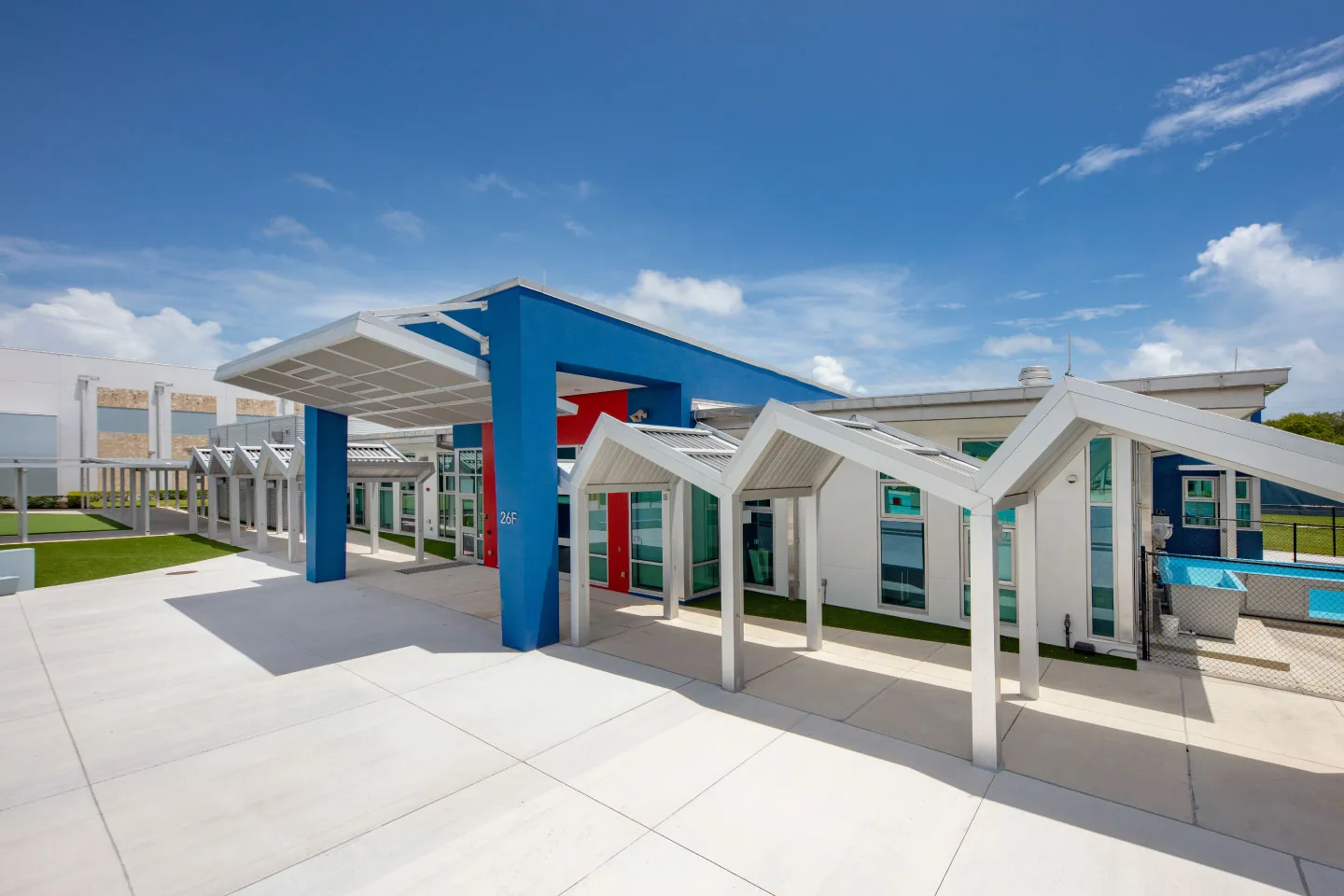
Commercial Roofing for Real Estate Investors and REITs in Allen, TX
Roof information changes the capital picture for an acquisition, disposition, or portfolio review. Allen's commercial assets span Watters Creek's office and mixed-use development and the industrial and technology space at 121 Tech Park. Those properties have different systems, operating constraints, and renewal decisions. We assess each building for commercial roofing in Allen and document confirmed conditions so an investor can evaluate repair exposure separately from a long-term reserve.
Separate visible condition from unverified layers
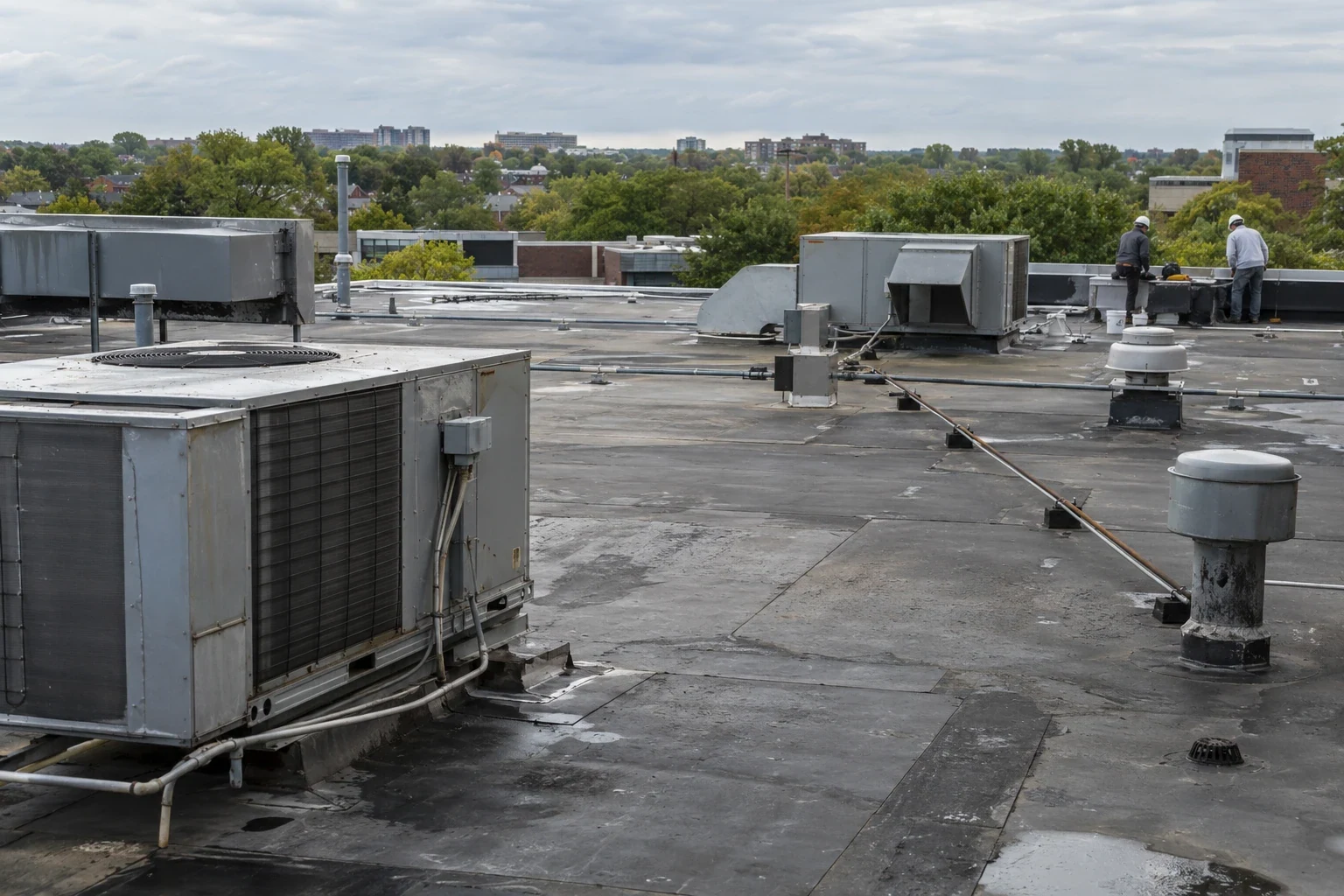
A due diligence walk can identify membrane wear, open seams, patch history, ponding, edge conditions, and rooftop equipment conflicts. It cannot reveal concealed insulation or deck condition unless a test opening is included. We state the inspection limits and distinguish visible observations from suspected moisture or areas that were inaccessible. That precision matters when acquisition assumptions depend on a roof allowance or a near-term capital item.
Our commercial roof inspection ties photos to roof zones, identifies active water risks, and notes where further testing could change the scope. If hidden conditions are material to the decision, the investor can authorize a targeted opening before closing or price a defined allowance. The report should not treat a single tenant complaint as proof that an entire asset has failed.
Compare assets by assembly and operational exposure
A portfolio may contain TPO, PVC, EPDM, metal, built-up roofing, and later additions with distinct tie-ins. We record the roof system at each property before comparing repair plans. One building's reported service life does not transfer to another. Condition, drainage, attachment, insulation, previous repairs, and access all affect what the owner should expect from a scope.
At Allen's Watters Creek, office buildings sit alongside retail, lodging, and meeting uses. The property may require tenant coordination distinct from a flex industrial facility near US 75 and SH 121. A multi-property roof program can standardize inspection records while preserving building-level findings. Property management teams can then coordinate access, tenant reports, and work orders without replacing the investor's capital view.
Review the roof before and after the transaction
Before acquisition, the buyer may need to understand active leaks, prior repairs, repair accessibility, and what remains unverified. We identify how the roof meets parapets, drains, units, skylights, and additions, then state whether a condition is isolated or appears in more than one zone. If the roof cannot be accessed or a tenant prevents interior review, the limitation is recorded rather than assumed away.
After the transaction, the new owner can carry open items into the first maintenance cycle and confirm that temporary measures were replaced with permanent work. A repair scope should say what materials are removed, how the new work ties to the existing assembly, and which areas remain serviceable. A roof due diligence survey can support a later property decision, while capital planning sets follow-up priorities across the portfolio.
Use Allen weather to set review timing
Dallas-Fort Worth summer heat can exceed 100°F, and the region's most active severe-storm season is spring. Heat, hail, wind, and convective rain are reasons to schedule roof reviews and check drainage, not proof that any particular asset has storm damage. After an event, we document actual conditions by property and compare them with the prior record if available.
For assets near Watters Creek and 121 Tech Park, local operating mixes can influence access and tenant notification, but the roof assessment stays specific to each building. We check drains, scuppers, exposed seams, perimeter metal, and units after reported impact. The investment team receives a repair recommendation tied to actual evidence rather than a regional weather summary or an assumption based on neighboring properties.
Property-specific weather observations also help an asset manager separate active leak response from longer-term maintenance. A drain cleared after one storm is different from a recurring ponding condition that returns during later inspections. We note whether an outlet was blocked, whether water remained in a low area, and which roof section was involved. That gives the manager a practical maintenance action alongside the broader capital discussion.
Compare repair, recover, and replacement scopes
A localized repair may preserve value when the remaining assembly is sound. Widespread wet insulation, repeated leaks, poor attachment, or deck deterioration can support a broader project. We map confirmed and suspected areas, then state whether testing is needed before comparing options. A recover may be feasible only when existing layers, moisture, height, attachment, drainage, and code requirements allow it.
Tear-off exposes concealed material but introduces debris, interior protection, staging, and schedule needs. We set work limits and explain which conditions could change after removal. The owner can compare the expected scope alongside tenant impact, mechanical access, and capital timing. A TPO replacement system may suit a project when its deck and design requirements support it; it is not assumed to fit every asset in the portfolio.
Carry findings into reserve and operating plans
A useful portfolio record includes roof system, photo location, active repairs, further testing, inspection date, and the next action. We can prepare a roof condition report that keeps those facts accessible to asset management, property management, and facilities staff. Records can support a reserve plan while preserving the limits of the original inspection.
Project cost depends on roof layers, deck repairs, equipment density, access, moisture, and phasing. The scope should identify assumptions and exclusions so the owner can compare contractor bids on a consistent basis. Preventive maintenance can monitor repairs and drains between capital projects, while insurance restoration coordination can document storm conditions when a claim review is involved. These records preserve continuity through sale, refinance, and management changes.
For an acquisition, the buyer can decide whether to add targeted testing before relying on a roof allowance. If the seller has a service history, we can compare the records with current observations and identify gaps. A tenant report that predates the inspection is useful context, but it does not establish that the condition remains active or that the previous patch addressed the cause. We state what the field visit confirms and list any inaccessible areas.
For disposition, the owner can provide a current roof map, repair receipts, maintenance observations, and open recommendations. The buyer can see what has been completed and what remains a potential project. This improves diligence without presenting the report as a warranty or forecast. The asset record should show inspection date, scope, and limitations so a later reviewer can tell whether a condition is new or outside the original walk-through.
Commercial Roofing Questions
Can an inspection confirm roof condition before closing?
It can document visible conditions and the areas accessed. Concealed insulation or deck conditions may require targeted testing or openings, which should be stated in the scope.
How do you compare roofs across a portfolio?
We use a consistent record structure but document each assembly, repair history, moisture, and access issue at the individual property. Findings are not transferred from one asset to another.
What should be included in a roof reserve?
The reserve decision can consider confirmed repairs, testing needs, deck or insulation conditions, and the likely timing of renewal. The assessment states its limits and evidence.
Can a roof be recovered rather than torn off?
Moisture, attachment, existing layers, roof height, drainage, code, and substrate condition determine whether recovery can work. We verify those factors before presenting it as an option.
How soon after a storm should a portfolio be reviewed?
We schedule a review based on reported impact, active water, and building access. The visit documents conditions at the property instead of inferring damage from regional weather.