Data Center Roofing in Allen, TX
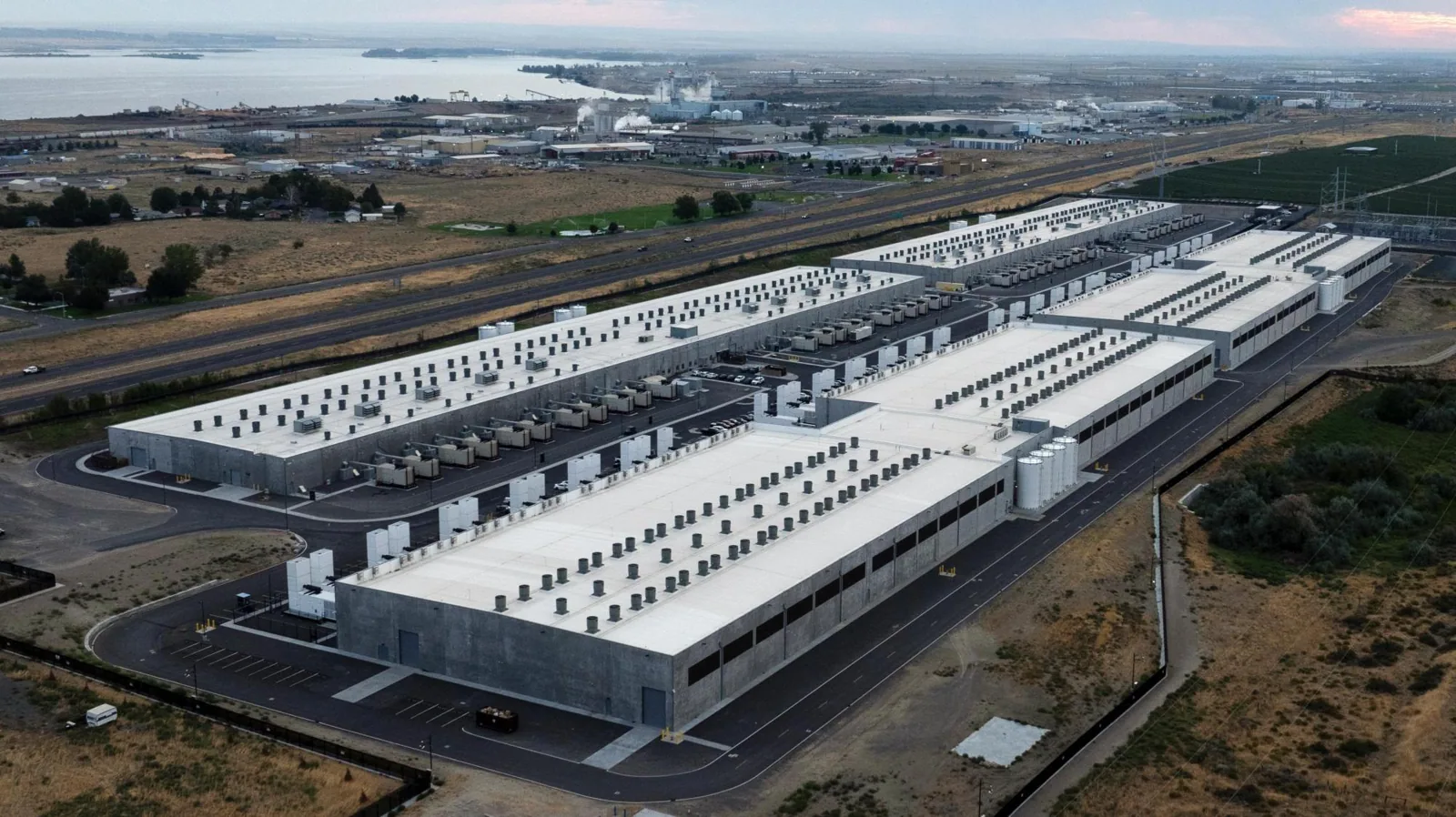
Roof work at a data center belongs in the uptime plan. Enterprise and colocation data centers are part of Allen’s business mix, supported by multiple fiber providers and redundant power. The 121 Tech Park area near US 75 and SH 121 also includes flexible office, industrial, and technology space. Watters Creek adds a separate multi-phase corporate office district to Allen's commercial mix. These places have different access patterns, so equipment access, water control, and change management stay central to each roof decision. We inspect the roof assembly and map its relationship to critical rooms before proposing data center roofing in Allen, with each work zone tied to the facility's operating plan.
Keep water away from critical infrastructure
A roof opening above electrical rooms, network equipment, or cooling infrastructure carries a different consequence than one above a general storage area. The facility team identifies sensitive zones, cable pathways, standby systems, and the route for moving replacement materials. We document where water has appeared, what equipment sits below, and which areas require restricted access. That map supports decisions on temporary protection and whether interior monitoring is needed while roof work proceeds.
Water can travel from a distant seam or curb through insulation before reaching a ceiling penetration. We trace likely paths rather than treating a drip point as the roof defect. A roof inspection checks seams, drains, flashing, edge conditions, support penetrations, and previous repairs. If moisture may be trapped, targeted testing can help define the opening needed to confirm the condition. The record separates confirmed wet material from suspected areas so the repair limits remain defensible.
Coordinate around equipment and change control
Cooling equipment, exhaust, electrical conduits, and communication pathways can cross the roof or its supporting deck. New unit placement changes curb details and may add traffic where technicians reach service points. Before any work, the facility team identifies approved roof access, escort rules, shutdown windows, and change-control steps. We align the scope with the person authorized to approve an opening and establish how a weather delay is reported to operations.
Equipment work and roofing should not compete for the same curb or service area. We coordinate final locations with mechanical trades before flashing is installed, and we note abandoned supports that may leave openings or collect water. A curb and penetration scope can identify the transitions to restore when units are moved. We also flag walk paths and protect membrane surfaces from repeated service traffic. Where office operations share the campus, the office roof plan can be coordinated while keeping each assembly's condition record distinct.
Confirm the existing roof before selecting materials
Data centers may contain multiple additions, equipment screens, and roof zones installed at different times. One visible surface does not prove the whole building uses the same membrane, insulation, or attachment method. We identify each assembly and check how it meets parapets, drains, curbs, and expansion joints. Where plans are unavailable or outdated, field observations are recorded before material quantities or repair boundaries are set.
Single-ply seams, metal panels, and coated surfaces each need compatible preparation and repair materials. A PVC membrane system uses heat-welded seams, while other roof types require a different detail. We do not treat a coating as a fix for wet insulation or a damaged deck. If recurring leaks coincide with panel seams or perimeter details, the scope should address the cause and the water path rather than adding a surface layer without diagnosis.
Account for Allen heat and storm conditions
Dallas-Fort Worth summers regularly bring days at or above 100°F in July and August, with Gulf moisture keeping humidity high. Heat affects exposed membranes, sealants, and metal movement; humidity can matter when material preparation and adhesion are planned. We select work windows that allow safe handling and proper installation, then confirm the roof is closed before afternoon weather becomes a concern.
Spring is the region's strongest period for severe thunderstorms, including hail and damaging wind. That regional pattern does not establish that an individual data center sustained impact. After a reported storm, we inspect the actual roof for punctures, displaced edge metal, loose flashing, drain blockage, and damage near rooftop equipment. A hail inspection can document visible conditions and identify test areas without assuming that every mark is storm-related.
Set a controlled work sequence
The work plan defines access, staging, protection, roof openings, temporary tie-ins, and closeout checks for each shift. Critical facility staff can identify alarm or sensor coverage that should remain active, while the roofing crew reports any condition that changes the planned boundary. If the roof is divided into zones, each zone should have a clear start point, finish condition, and owner contact before the next one opens.
Phased work may reduce exposure when systems remain online, but each tie-in still needs a sound substrate and a weather-tight finish. We confirm whether mechanical service can continue during the roofing sequence and leave room for emergency access. A portfolio team overseeing more than one facility can use multi-site roof coordination to align records, while an Allen location receives its own findings and work plan. Maintenance visits can then track repairs and drains between larger capital projects.
Compare the options with a clear roof record
A contained defect may support a localized repair. Broader moisture, repeated seam failure, poor attachment, or deck deterioration can change the recommendation. We classify areas as confirmed damage, a test candidate, or serviceable roof, then explain the basis for each conclusion. Owners can compare repair, recover, and tear-off options with their different access and operational effects instead of relying on one undifferentiated condition label.
Cost and duration depend on material removal, replacement limits, equipment density, access controls, structural conditions, and when work can occur. A roof condition report ties photos to roof zones and records the next action. For a facility that also has a production building, a manufacturing roof assessment can address its separate equipment and process constraints. The repair scope should identify what remains concealed, how those areas will be monitored, and what would trigger a second phase.
Where an owner manages sites beyond Allen, the portfolio record can standardize how conditions are named without flattening local differences. A server room, loading zone, and office wing should retain distinct impact notes, even when they share one roof. That detail lets a facility director compare repair priorities across properties and coordinate future inspections against maintenance windows. It also helps separate urgent leak response from planned renewal before a budget decision is made.
Commercial Roofing Questions
Can roof work occur while critical systems stay online?
A phased sequence may allow systems to remain online when access, protection, weather, and tie-in conditions support it. Facility operations identify the controls and areas that cannot be interrupted.
How do you protect equipment under a roof opening?
We locate sensitive zones with facility staff, define the opening limits, and coordinate temporary protection and any needed interior monitoring before work starts.
Will a new cooling unit require roof repair?
Moving or adding equipment can change curbs, flashing, and service paths. We coordinate the final equipment location and inspect the affected roof details before restoring the assembly.
How do you determine whether moisture is under the membrane?
We document visible clues and use targeted testing where appropriate. If the result remains uncertain, a controlled opening can verify insulation and deck conditions.
What belongs in a data center roof record?
Record assemblies by zone, previous repairs, equipment changes, drains, observed moisture, and photos tied to each condition. The record should distinguish confirmed findings from suspected areas.