Cold Storage Roofing in Allen, TX
Cold storage leaves little room for moisture at the roof line. A small leak can reach insulation, vapor-control layers, electrical equipment, or stored product before it becomes visible from outside. Allen's industrial and technology mix includes flexible space near US 75 and SH 121, and North Texas humidity adds another factor when warm air meets a cold interior surface. We inspect the assembly and operating conditions before recommending cold-storage roofing in Allen, because the right repair depends on where moisture is moving and which layer has failed.
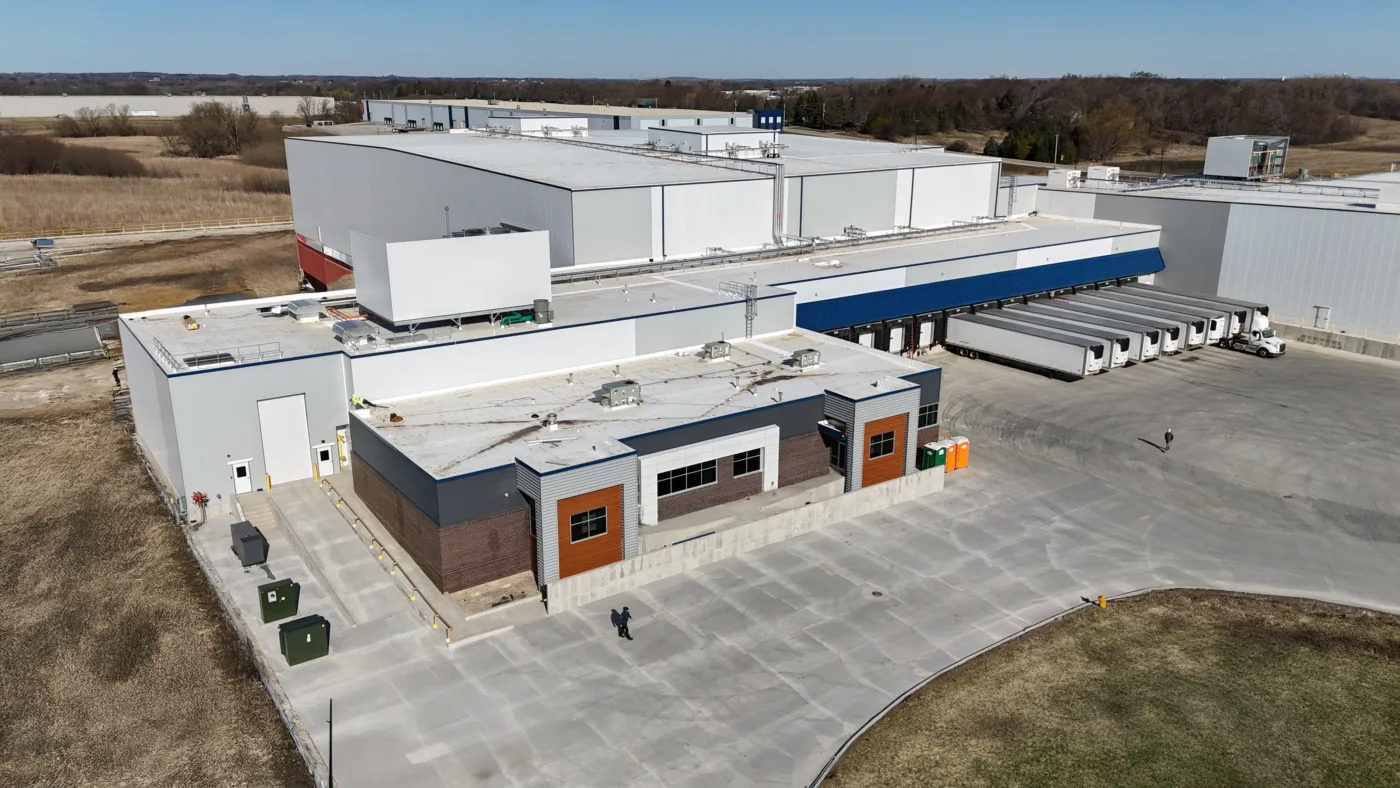
Trace moisture through the full roof assembly
A cold facility relies on more than its outer membrane. The roof build-up may include deck, air and vapor control, insulation, cover board, and the weathering surface. A defect in any layer can change how condensation forms and where water travels. We inspect seams, penetrations, curbs, drains, perimeter details, and visible interior conditions, then compare the roof assembly with the facility temperature and humidity profile.
Do not assume a ceiling drip marks the point of entry. Water may migrate along the deck or collect at a thermal bridge, and condensation can resemble a membrane leak. Our commercial roof inspection records the evidence before a repair is selected. Where the cause remains uncertain, targeted testing or an opening may be needed to confirm wet insulation and identify whether the vapor retarder is continuous. We report observed conditions separately from areas that remain concealed. A facility can also compare roof observations with refrigeration logs and humidity alarms, which may show whether a change followed a roof opening or a shift in operating conditions. Those records do not replace testing, but they help narrow the time and zone for a closer look. We note where measurements were taken and whether the surrounding insulation appeared dry, damp, or inaccessible. A cold-room ceiling, partition, or suspended service line can conceal the path, so we identify the limit rather than treating a clean surface as proof that the assembly is sound.
Protect temperature control and product zones
Before roof work, facility staff identify temperature-critical rooms, product exposure limits, refrigeration equipment, and the routes that must remain clear. A roof opening above a staging area can create a different risk than a defect over an exterior service corridor. We mark the areas below each phase and coordinate temporary protection with operations. If production or distribution continues during repairs, work can be divided through an occupied-building roof sequence with a secure dry-in at the end of the shift.
Cold storage may run continuously, so noise, dust, lift placement, and interior access need firm limits. We confirm who can authorize access to the roof and controlled rooms, whether alarms or sensors need protection, and how staff will receive notice before a section is opened. These details shape the sequence and the crew's work window. Temporary covers must protect the building without blocking mechanical service or creating a new drainage problem.
Choose repair materials for the existing membrane
A compatible repair depends on the installed membrane, temperature, surface condition, and detail shape. Old coatings, oily residue, frost, or a wet substrate can prevent reliable adhesion. We identify the roof material and prepare the surface as required by the repair system. At penetrations, the flashing must move with the pipe or curb while keeping the air and vapor layers intact as far as the assembly allows.
Single-ply systems have different seam and flashing methods. A PVC membrane can be heat-welded at compatible seams; other assemblies require different repair materials. We do not apply a generic sealant over an unknown surface and call the detail resolved. When moisture or insulation damage extends beyond one patch, the scope should define what is removed, how the vapor-control layer is restored, and how the new membrane ties into the existing roof.
Control heat, humidity, and storm exposure
Across Dallas-Fort Worth, hot-season afternoons can climb past 100°F, and humid Gulf air reaches the Dallas-Fort Worth area. Roof work during a hot period calls for attention to membrane handling and safe work hours, but interior temperature control remains the facility's separate operating requirement. We coordinate access near refrigeration equipment and do not treat a roof coating as a substitute for correcting a failed insulation or vapor layer.
Spring thunderstorms bring regional hail, damaging wind, and heavy rain potential. That pattern makes drainage and perimeter conditions relevant, although a regional event does not establish that a specific cold-storage roof was damaged. Following reported impact, we photograph actual conditions and check exposed membrane, edge metal, curbs, and drains. A wind-damage assessment can document displaced components while distinguishing fresh impact from existing wear.
Set repair limits before choosing replacement
Localized damage with dry surrounding insulation may support a focused repair. Replacement becomes more likely when wet material crosses multiple roof zones, seams fail repeatedly, deck condition changes, or the assembly cannot maintain its intended moisture control. We map confirmed wet areas and any test zones that still need an opening. That prevents one leak report from becoming an unsupported full-roof conclusion and gives the owner a fair way to compare scopes.
A recover may be possible only when the existing layers, attachment, moisture condition, drainage, and code allowances are suitable. Tear-off provides access to concealed materials but requires tighter interior protection and disposal planning. We set the limits for each option, including tie-ins, temporary weather protection, refrigeration equipment access, and the order of work. A warehouse roof plan may cover a related storage building, while a grocery roof plan must account for public and food-handling areas. Scheduled maintenance can keep drains and penetrations in view between capital projects. If the site also serves shipping operations, a distribution center roof sequence can help coordinate loading windows and roof access across the property.
Before work begins, we document how the roof meets parapets, freezer walls, rooftop units, and service penetrations. Those transitions can be more important than a broad field patch because they join layers with different temperature and air-control demands. The scope identifies whether a detail can be repaired from above or needs a controlled interior opening. Where a wall or equipment curbs hide the condition, we state what is known and what the next opening would verify.
Project timing depends on weather, the daily operating plan, material lead time, and how much of the assembly must be removed. The facility can help set an access calendar, designate protected areas, and identify the person who approves a temporary shutdown or alarm change. A daily contact and a backup contact keep operational decisions moving if work conditions change. We use those decisions to phase work so each shift ends with the roof weather-tight and the affected interior zone accounted for. If testing changes the expected repair limit, we update the scope before expanding the opening. A roof map also helps maintenance staff report the same bay and transition on future service calls across rotating shifts.
Commercial Roofing Questions
Could condensation look like a roof leak?
Yes. Interior moisture can come from condensation or water entering the roof. We compare the roof layers, weather, interior conditions, and location of the moisture before choosing a repair.
Will roof repairs interrupt refrigeration?
The roof work is planned around operating zones and equipment access. The facility team identifies temperature-sensitive areas and any required controls so each opening can be protected and closed in sequence.
How can you tell whether insulation is wet?
We inspect visible conditions and use targeted testing where useful. If the result is uncertain, a controlled opening can confirm the insulation and deck condition.
What changes the price of a cold-storage roof project?
The affected layers, wet insulation, vapor-control repairs, equipment density, interior protection, staging, and work windows all affect scope. The proposal should state which conditions were confirmed.
Can you coat over a leaking cold-storage roof?
A coating does not correct wet insulation, a failed vapor-control layer, or an incompatible substrate. We first identify the assembly, moisture extent, and repair details that need correction.