Commercial Roof Capital Planning in Allen, TX
A roof budget becomes difficult to defend when the scope is built from age alone. A useful capital plan begins with what inspection, testing, and repair history show, then separates urgent exposure from renewal work that can be scheduled. In Allen, Watters Creek combines office, retail, lodging, and meeting uses, while the 121 Tech Park district includes flexible industrial, office, and technology space. The buildings serve different operations and can have different assemblies. We help owners translate roof findings into a sequence of decisions, with assumptions and unresolved conditions visible before funding is assigned.
Set a current condition baseline
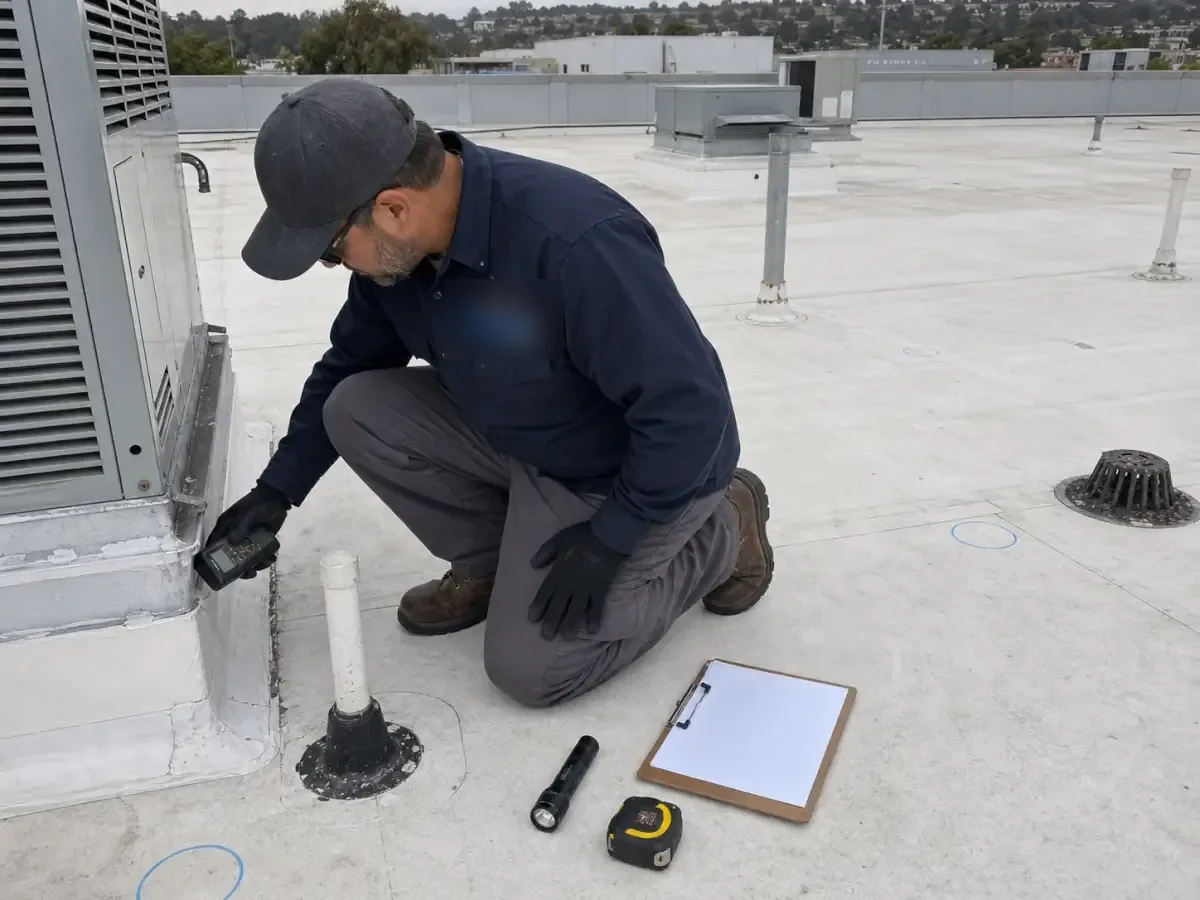
Before ranking projects, confirm which buildings were inspected, what roof zones were reached, and whether testing changed the visible findings. The report should distinguish active leaks, repeated repairs, wet insulation, loose attachment, drainage concerns, and areas that remain concealed. A roof condition report gives photos and repair limits a place in the budget record. If older estimates rely on conditions no longer verified, update those facts before carrying a project forward. A building that was patched last year may still need a larger decision, while an aging roof with stable observed conditions may need a planned review rather than an assumed replacement date.
Rank work by building consequence
Priority is not the same as age. Active water above electrical equipment or occupied space may need prompt protection; a localized edge repair can have a narrower consequence; surface wear without a leak can remain under review while testing is planned. We connect each recommended action to the roof zone and the condition that supports it. The owner can then compare exposure, repair recurrence, and operational impact across buildings without treating dissimilar roofs as a single average. A roof asset record keeps completed work and open items visible when the budget is reviewed later. The record should say whether a recommendation is confirmed, provisional, or dependent on an opening.
Compare repair, recovery, and replacement
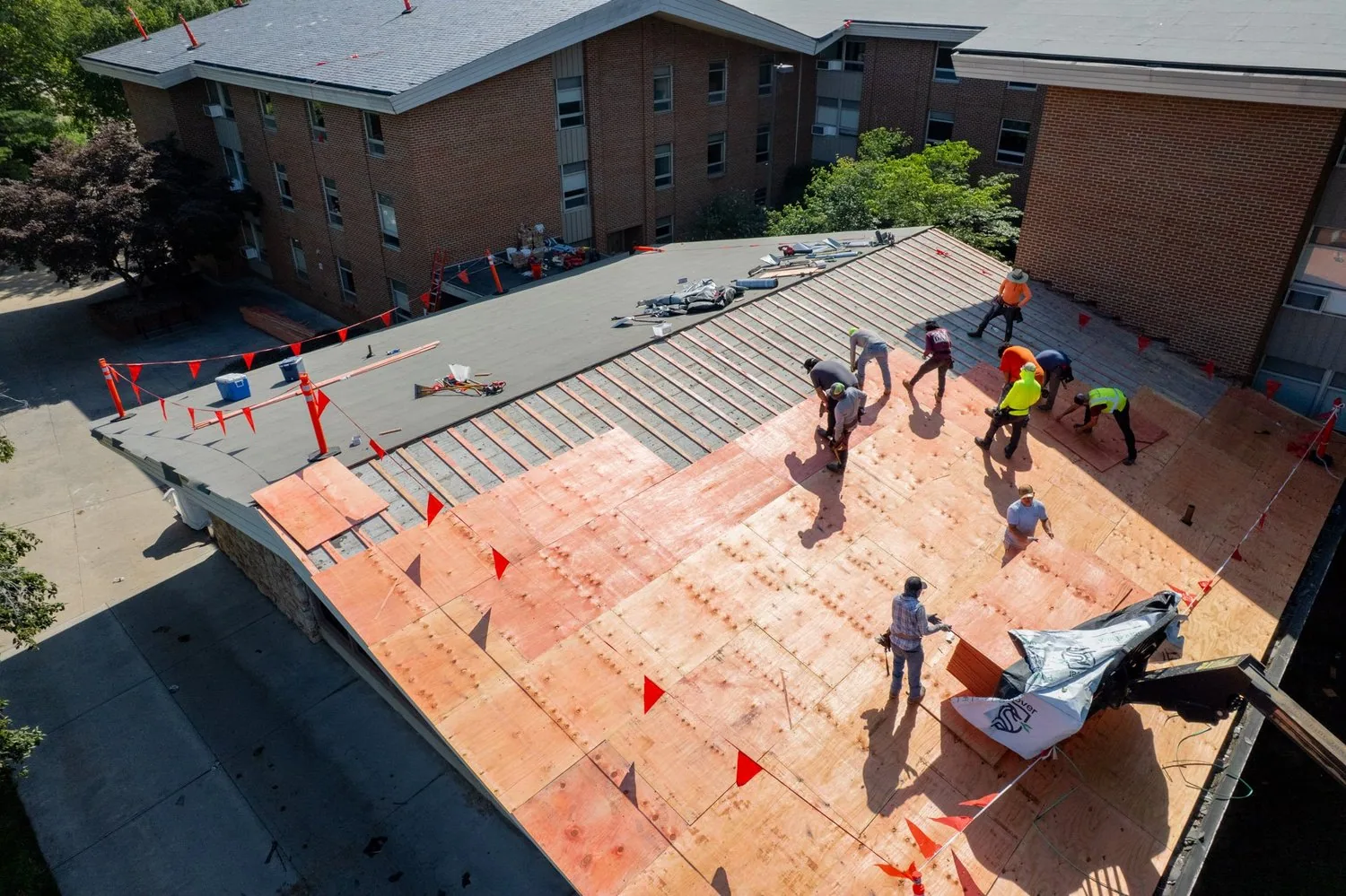
Capital options need comparable boundaries. A repair scope should say what is removed, the tie-in area, and any testing that remains. A recover depends on existing layers, moisture, attachment, drainage, roof height, and applicable code requirements. Tear-off exposes concealed material but adds disposal, weather protection, interior coordination, and possible deck work. We document these differences so the owner can compare repair with a replacement scope or a roof recover on the same set of assumptions. The lowest initial scope may not address the condition that caused repeat service, so each option must state its limits and any remaining risk.
Account for Allen operations and weather windows
Summer heat in the Dallas-Fort Worth region often reaches or exceeds 100°F in July and August, while spring is the strongest severe-thunderstorm season. Those conditions can affect crew scheduling, material handling, temporary protection, and drainage reviews, and a field inspection records the condition of each Allen roof before the funding sequence changes. Access near offices at Watters Creek may need different notice and staging from a flexible industrial building at 121 Tech Park. We include operating hours, equipment access, tenant activity, and the dry-in sequence in the project plan. A commercial roof assessment in Allen can establish current needs before the next capital cycle is set.
Make estimate assumptions visible
Roof project cost depends on the material system, surface preparation, removal depth, deck condition, insulation, edge work, equipment, access, and disposal. Timing can shift with weather, material availability, inspection requirements, and the length of each safe work window. We identify known conditions separately from allowances for concealed damage, then state who can authorize additional removal if testing changes the boundary. This lets the owner compare proposals by included work rather than headline total. Keep the project estimate beside the inspection record and note which facts would change it. A roof survey can be useful when the building file lacks a current condition baseline or when a transaction is approaching.
Before authorization, separate the base scope from work triggered by what an opening reveals. For example, a proposal can define the initial removal area, identify the inspection point for deck condition, and set a process for documenting added removal before it is approved. This keeps an unknown layer from being priced as if it were already confirmed. The owner can also compare whether each bid includes temporary cover, interior protection, equipment moves, debris handling, and final inspection. These items affect the actual project even when they do not change the membrane specification. A short decision log records why one option was chosen and which condition would reopen the comparison. If funding is divided across fiscal periods, the near-term scope should identify how the completed phase will tie into the later work and what temporary edges or transitions need monitoring. That detail protects the continuity of the plan when a project is split for scheduling or budget reasons.
Keep near-term repair separate from renewal
Some findings deserve action before a larger capital project is funded. A leaking penetration, damaged drain, or loose edge can permit further water entry even when broader renewal remains years away in the budget. We can define a targeted stabilization scope and identify what it does not resolve. The facility team can then reserve funds for a future replacement while tracking the interim work and inspection date. If spring storms bring a reported event, the roof should be inspected before the existing plan is changed; the inspection record should show which building conditions changed before the capital sequence is revised. Post-storm roof documentation can update the project record when field evidence supports a scope change.
Carry decisions into the next budget review
A capital plan should show the selected option, deferred items, approval date, bid assumptions, target work window, and follow-up needed before construction. After the work, closeout records materials, installed details, removed layers, photographs, and any monitoring item. The next budget review can then distinguish projected work from completed work and carry forward only current conditions. If ownership or facility staff changes, the record explains why the project was sequenced and what could alter the plan. A multi-property roof program can coordinate review dates and reporting while keeping each building's scope distinct. Plans remain useful when the supporting evidence remains attached.
A plan review should also note new leaks, completed maintenance, tenant changes that affect access, and equipment projects that may alter roof penetrations. Those updates can change both the work boundary and the order in which a building is addressed. The project file should retain the inspection date behind each budget line so a recommendation is not carried forward indefinitely without a field check.
Commercial Roofing Questions
Should roof replacement timing be based on age?
Age is one input, not a condition report. We review repairs, moisture, attachment, drainage, and deck observations before comparing renewal options.
How do we compare bids with different scopes?
Match the roof areas, removal limits, tie-ins, testing, allowances, access, and closeout requirements. The estimate should state assumptions that could change after an opening.
Can urgent repairs stay separate from a larger project?
Yes. A defined stabilization scope can address active exposure while the owner evaluates broader renewal. The record should state what the interim work leaves unresolved.
What should move a project earlier in the budget?
A confirmed increase in wet area, recurring failures, active water, unsafe attachment, or deck concern can change priority. We document the evidence and the next decision needed.
How does weather affect the capital schedule?
Heat, rain, and storm forecasts affect work windows and dry-in planning. We adjust the sequence to conditions at the site rather than assuming a regional event damaged the roof.