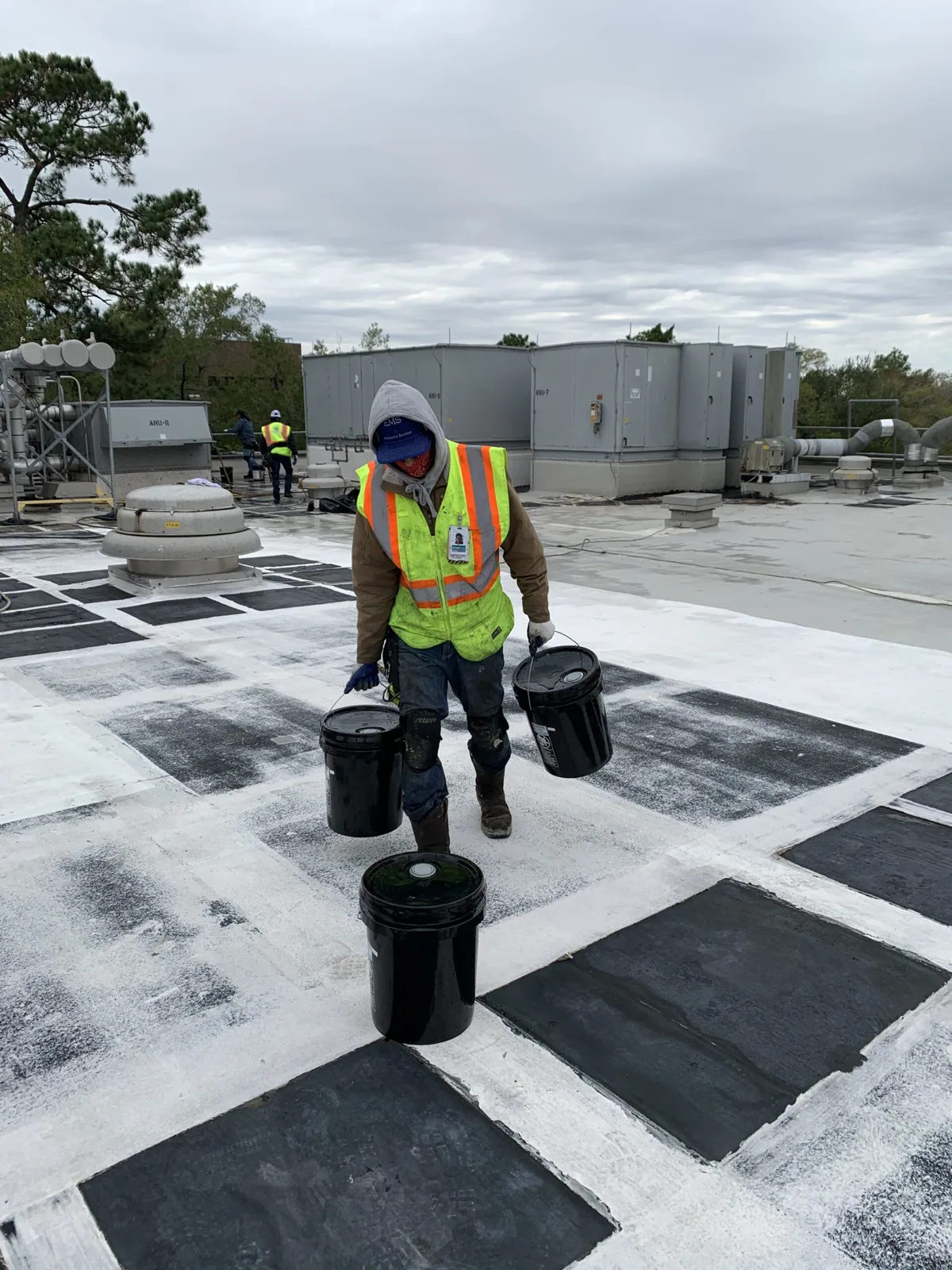
Commercial Roof Recover in Allen, TX
An overlay adds a new roof layer, so the decision starts below the visible membrane. If water is trapped in insulation or the deck cannot support another assembly, covering the surface can preserve the wrong condition. We inspect the roof, test uncertain areas, and compare a recover with repairs or full removal. The goal is to determine whether the existing assembly can remain in place and still provide a stable base. One Bethany at Watters Creek is a multi-phase office park beside retail, hotel, and meeting uses. Allen also includes industrial and technology properties, each with its own roof assembly and access conditions. We inspect the building's layers, drainage, curb heights, and perimeter details before evaluating a commercial roof in Allen for recover.
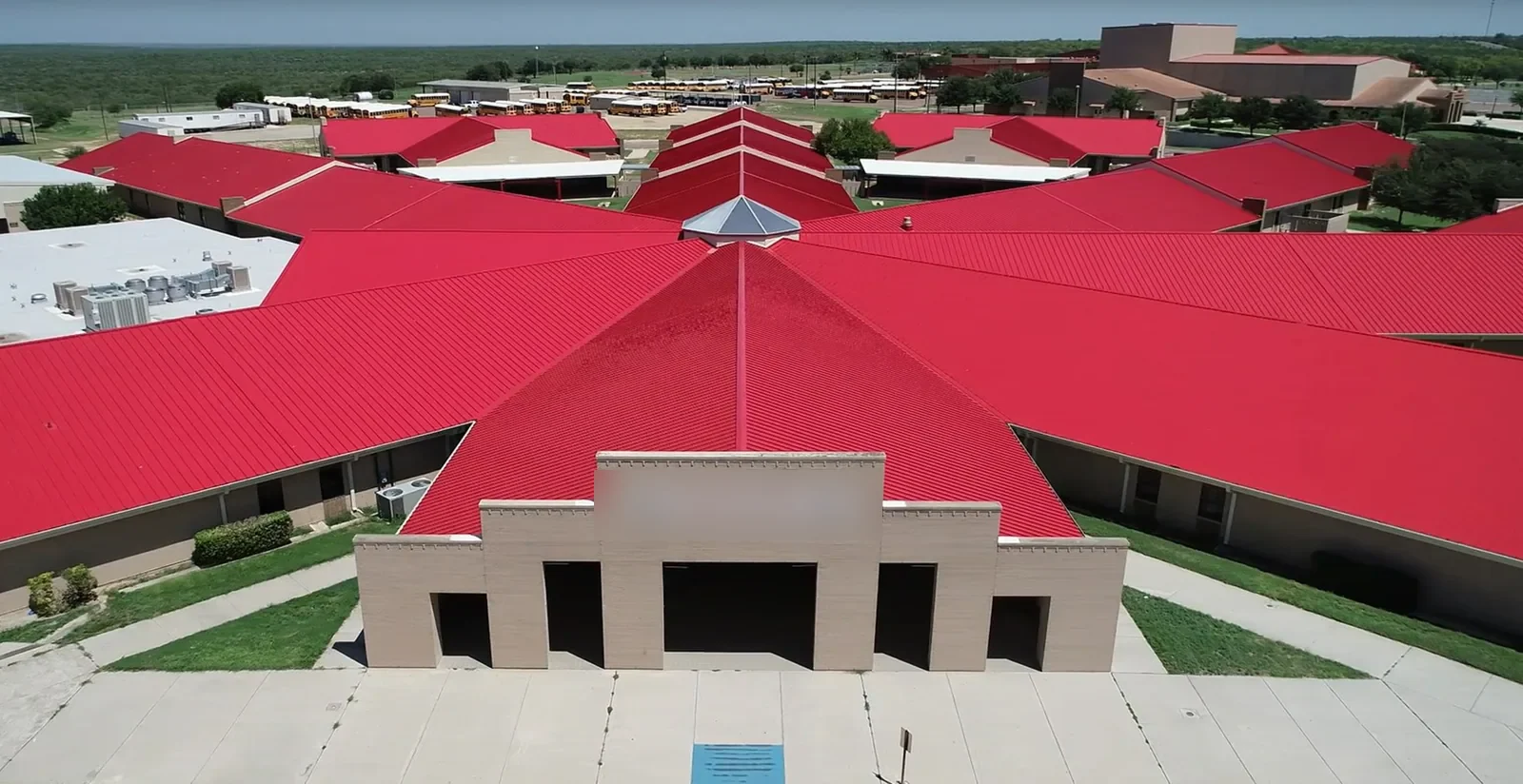
The existing roof has to qualify
A recover is considered when the roof beneath it is dry enough, the deck and attachment remain sound, the added weight and height are acceptable, and applicable code permits another layer. We inspect seams, flashings, penetrations, drains, edge metal, and previous repairs. Infrared imaging can help locate areas that need confirmation; selective core cuts can show the assembly and moisture condition. These checks answer a practical question: will the new system sit over a stable roof, or conceal a defect that needs removal first?
One isolated wet area may be removed and replaced before a recover. Widespread moisture, deck deterioration, loose attachment, or unresolved drainage problems can change the recommendation. We identify what was inspected and where access was limited, so the report does not claim certainty beyond the evidence. The scope should show any tear-out areas, replacement insulation, cover board, and transitions needed to make the remaining assembly compatible. A moisture survey can make that map more useful when roof conditions vary across a large section. A commercial roof inspection can establish a condition baseline and identify areas that need further testing.
Compare the added layer with removal
Recovering can avoid removing sound material and may reduce the amount of open roof during construction. It also changes the height of edges, curbs, rooftop equipment, wall transitions, and drain bowls. Those interfaces must be checked before the material is selected. If new layers would bury flashing termination, block a scupper, interfere with equipment service, or create an unacceptable edge condition, the apparent shortcut creates work elsewhere. We measure the relevant transitions and include them in the scope.
A tear-off exposes the deck and gives the replacement a clean starting point, but it creates more debris, more open-roof coordination, and a different operating plan. A repair may be sufficient when damage is limited and the roof still has serviceable life. The comparison should include moisture findings, existing layer count, deck and attachment condition, height changes, drainage, code requirements, and the building's operating schedule. This is particularly useful when Allen facilities are budgeting work across office, retail, or industrial properties. Compare an overlay with a full roof replacement and focused commercial roof repair before setting the capital scope.
Do not cover drainage defects
Standing water after a storm can point to clogged outlets, settled insulation, deflected deck, or a roof that lacks a reliable path to its drains. A new layer does not correct those causes by itself. We trace the low points, inspect drain bowls and scuppers, and note whether the surrounding membrane is secure. If a recover changes the finished roof elevation, drain extensions and perimeter details may be part of the project. Where water is held against a seam or penetration, the first step is to correct the underlying drainage or detail issue.
Allen shares North Texas heat, humidity, and spring thunderstorm exposure. Spring storm tracks vary across North Texas, where hail and wind can reach one district and miss another. We check each roof for visible impact. Wind uplift and hail impacts can affect seams, corners, and exposed accessories. A recover assessment should distinguish those observed defects from routine surface aging. We document storm-related conditions separately when they are present and can arrange a storm-damage roof assessment if the roof has recent impact concerns.
Match the new system to the base
The recover system must be compatible with the roof below it. We confirm the membrane type, surface condition, attachment, existing insulation, and any coating or adhesive that may affect bonding. The new assembly may call for cover board, new insulation at selected areas, mechanical attachment, or another approved method. Roof access, foot traffic, grease exposure, HVAC service, and solar plans also affect the choice. System details are not interchangeable simply because the visible surfaces look similar.
Options may include TPO, PVC, EPDM, KEE, modified bitumen, or a coating system where existing conditions support it. We explain the proposed interface and where fastening or bonding occurs. Allen lists the 2021 International Building Code and International Energy Conservation Code among its adopted codes, so we check the applicable local requirements and amendments before finalizing the assembly. A building with several additions may have more than one existing roof type. Each section should be mapped before specifying materials. Review TPO roofing and EPDM roofing options alongside the recover scope.
Work in controlled sections
Recover projects still require staging, edge protection, material movement, equipment access, and temporary weather protection. We review the building's operating hours and identify routes shared by employees, visitors, deliveries, or tenants. On an occupied office or retail property, work can be divided into sections that keep completed areas protected while the crew advances. Equipment shutdowns and rooftop service visits are coordinated before a section is closed. Daily cleanup and access arrangements are written into the work sequence.
US 75 and SH 121 carry regional traffic around Allen's business districts, but site logistics depend on the individual parcel. We confirm delivery access, crane locations if needed, and space for pallets before setting dates. Watters Creek's mix of offices, shops, hotel, and meeting uses is one example of why access plans should be property-specific. We agree on how progress, weather delays, and temporary covers will be communicated. A plan for occupied-building roofing can help the facility team coordinate tenants and operations while the new surface is installed.
Record what remains below
When a recover is complete, the roof record should say what existing assembly remains, which areas were removed, how wet sections were handled, and what system was installed above them. Photos should capture drains, curbs, wall transitions, perimeter edges, and repaired areas. That information matters because future service work may need to distinguish between the original roof and the new overlay. We also record any conditions that were outside the project scope and identify a follow-up window when further review is needed.
Carry the record into routine maintenance so the property team can see which areas need closer observation. If a leak later develops, the service technician can review the assembly history and focus on the affected transition instead of treating the entire roof as unknown. This is useful for portfolios with buildings near Allen, Fairview, and McKinney, where roof ages and assemblies may differ. A consistent condition record and capital plan can connect the recover to future inspections, repair allowances, and replacement timing.
Commercial Roofing Questions
Can a new membrane go over any existing commercial roof?
No. Moisture, deck strength, attachment, existing layer count, compatibility, height, drainage, and local code limits determine whether an overlay is appropriate.
How do you find wet insulation before a recover?
We inspect the surface and details, then use infrared imaging or selective cores where conditions call for confirmation. Findings are mapped by roof section.
Does a recover fix ponding water?
Only if the scope corrects the cause. We check drains, low points, slope, and deck conditions; adding a layer alone does not resolve settlement or blocked outlets.
Will the extra roof layer affect curbs and drains?
It can. We measure changes to finished height and include drain extensions, curb transitions, edge conditions, and equipment clearances when needed.
When should I choose tear-off instead?
Broad moisture, compromised deck or attachment, incompatible layers, or details that cannot be raised correctly may make removal the more suitable option.