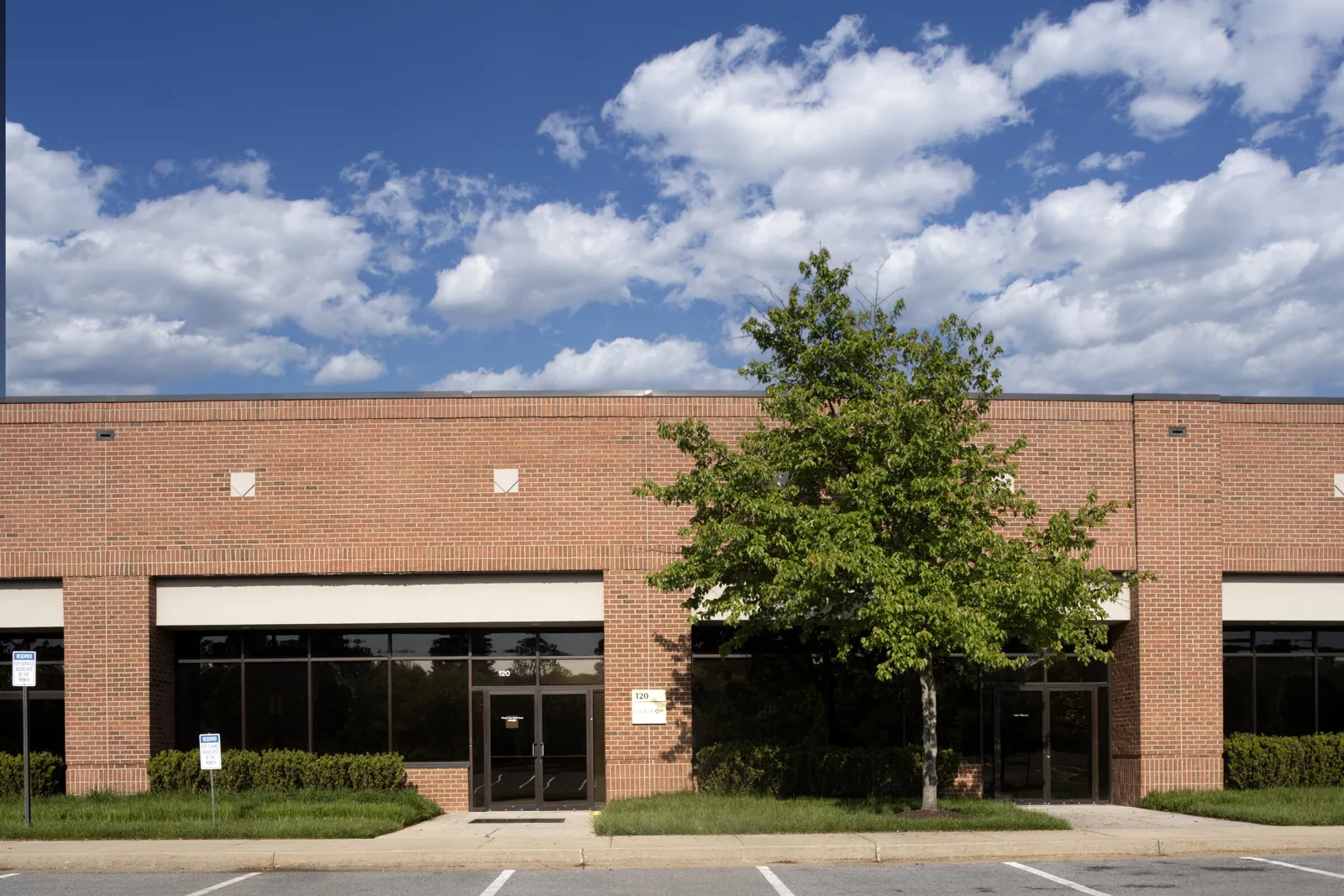
Big-Box Retail Roofing in Allen, TX
A big-box roof can span sales floor, receiving dock, stockroom, and rooftop mechanical zones under one large assembly. A leak may appear far from the opening because water travels along deck or insulation. Allen's retail fabric includes the Allen Premium Outlets area and mixed-use retail at Watters Creek, while the Stacy Road corridor connects several commercial destinations. We inspect the actual roof and operating plan before proposing big-box roofing in Allen.

Separate sales floor work from receiving work
The work plan should identify customer entrances, loading doors, inventory, cash-handling areas, and high-traffic aisles beneath each roof zone. Material staging and lifts may affect parking or truck access even when the roof area is isolated. We coordinate those routes with store management and set barriers where needed. If work occurs during business hours, a defined daily finish condition protects the interior from weather and keeps crews from leaving an open section at shift end.
Receiving and sales operations often run on different schedules. Tear-off near a dock may need a morning window, while a quieter roof zone can be addressed later. An occupied-building reroof sequence can divide the work by section, establish temporary tie-ins, and define how a change in weather is handled. The site manager should know which entrances, parking rows, or dock bays are affected before equipment arrives.
Map leaks across a broad roof field
A large roof can make a small defect difficult to locate, especially when the interior stain sits below a different section. We compare leak reports with roof slope, drains, seams, curbs, skylights, wall transitions, and previous patch locations. The building plan is marked by zone so maintenance staff can distinguish repeated conditions from a new event. If multiple tenants or departments share the site, interior observations are tied to the area below the roof without assuming the entry point.
We inspect the field membrane, perimeter, penetrations, equipment screens, fasteners, scuppers, and visible deck conditions. A roof inspection can document findings and identify where testing or an opening is needed to confirm moisture. Confirmed wet insulation is separated from a suspicious area that needs follow-up. That distinction keeps the repair or replacement decision connected to evidence rather than the apparent size of the building.
Review rooftops crowded with mechanical units
Big-box facilities can have dense rooftop HVAC, exhaust, refrigeration, signage wiring, and service paths. Equipment technicians repeatedly cross the membrane, which can scuff surfaces or loosen details. We inspect around curbs, pipe supports, conduit, and access routes, then record whether damage is localized or recurring. Mechanical work should coordinate new curb locations and roof restoration so a fresh unit does not sit over an unclosed opening.
Rooftop screens can hide drains and make inspection more difficult. We confirm that outlets remain reachable and that water can leave each section. A curb and support repair should restore flashing and preserve maintenance access. If a property also includes ordinary warehouse space, a separate warehouse roof assessment accounts for storage and loading operations rather than the public-facing sales floor.
Check edges and drainage after severe weather
DFW summer heat regularly reaches or exceeds 100°F, with high humidity across the region. Exposed membranes and sealants age under those conditions; metal edges expand and contract. Spring is the strongest season for severe thunderstorms across Dallas-Fort Worth, when hail and damaging winds can affect roof surfaces and perimeter details. These regional conditions set an inspection context, but they do not prove impact to a particular store.
After a reported storm, we document the roof itself: membrane marks, displaced metal, open seams, damaged flashings, clogged drains, and interior water reports. The report distinguishes observable effects from wear that predates the event. A broad roof needs checks at corners and perimeters as well as the field. A hail damage inspection can determine whether closer testing or a repair scope is needed while keeping store operations in view.
Compare recovery and tear-off by assembly
Big-box roofs may use TPO, PVC, EPDM, built-up roofing, modified bitumen, or metal. We identify what is installed and whether past recoveries have added layers. The surface type alone does not show the deck or insulation condition. Where moisture is present, testing or a controlled opening can confirm the repair boundary before a coating or new membrane is considered.
A localized repair may be appropriate when surrounding material remains sound. Widespread wet insulation, repeated seam failure, poor attachment, or deck changes can favor a larger project. Recovery is limited by the condition and attachment of existing layers, roof height, drainage, and applicable code. Tear-off reveals concealed conditions but adds debris and exposure management. We explain the tradeoff and the staging, tie-ins, and interior safeguards for each option so an owner can compare complete scopes.
Create an actionable property record
Roof planning improves when each repair, photo, equipment change, and leak report refers to the same roof map. We can prepare a condition report with priorities and recommended next actions. Store ownership can use it to distinguish an active leak from a planned capital item and to assign work before a department or tenant changes.
Timing and cost depend on roof layers, deck condition, equipment density, access, operating windows, and the amount of interior protection. The work scope should set section limits, delivery route, debris handling, closeout checks, and any conditions that could change after an opening. A shopping center roof plan handles a different tenant mix, while scheduled maintenance keeps drains and penetrations visible between major projects. At a store near Watters Creek or Stacy Road, access planning can affect when deliveries and customer traffic are easiest to manage.
Before ordering materials, we verify the proposed assembly and its transition details against the roof zones that will remain in place. The boundary between a new section and an older section needs a compatible tie-in, especially where an addition meets the original building. We also identify any deck or drainage assumptions that could change quantities after removal. That keeps the bid comparison focused on the same roof limits instead of different allowances.
During closeout, the facility receives the completed areas, open repair items, and maintenance observations. Store staff can report an issue by roof zone and interior area, while the property manager records equipment work that happens later. That link between field work and facility records helps preserve context after a staff or ownership change. It also makes the next inspection more efficient because prior openings and repairs are visible.
Commercial Roofing Questions
Can customers shop during reroofing?
Work may be phased while a store operates when access, staging, noise, and weather protection can be controlled. The store manager and roof team define affected entrances and areas before each phase.
How do you find a leak across a large roof?
We map interior reports against drains, seams, equipment, slope, and previous repairs. Testing or an opening can confirm hidden moisture before the repair boundary is set.
What if HVAC units cover much of the roof?
We inspect the clearances around curbs, service paths, supports, and drains. The work sequence accounts for equipment access and any mechanical changes already planned.
Should we coat a big-box roof instead of replacing it?
A coating is considered only after the membrane, insulation, attachment, drainage, and substrate condition are reviewed. It does not correct concealed moisture or a failed deck.
How quickly should storm damage be documented?
Prompt documentation helps record actual conditions before temporary repairs or later weather changes them. We note observed impact and separate it from ordinary wear.