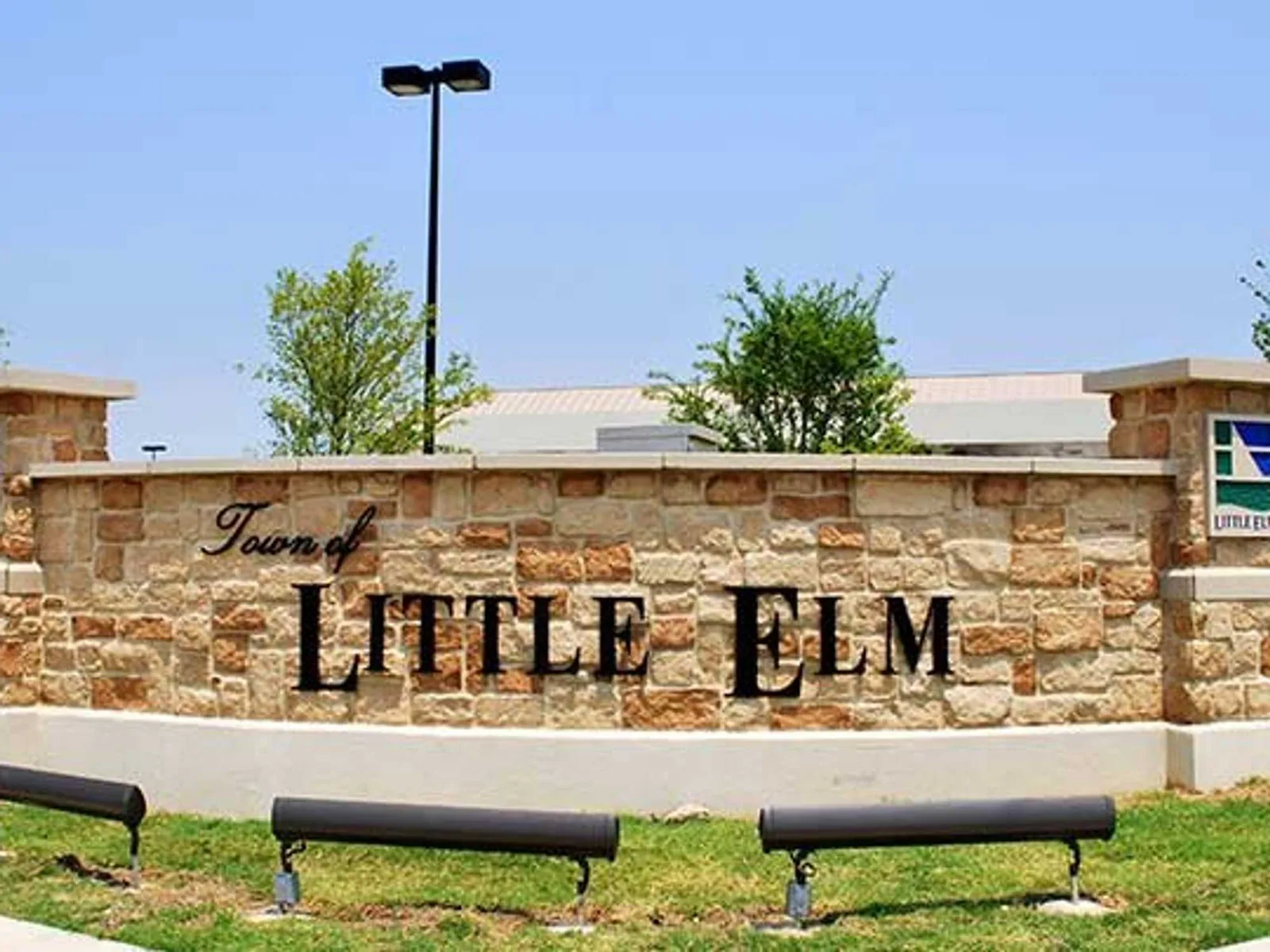
Commercial Roofing in Twin Creeks, Allen, TX
Twin Creeks Village is one of Allen's named retail destinations, within the wider Twin Creeks area that includes Twin Creeks Park and surrounding commercial places. We provide commercial roof inspections, repairs, maintenance, and renewal planning across this broader area. We confirm each building's roof system, access, and maintenance history before planning repair work. We confirm the property, access contact, and roof records, then document the material and details present before setting a work scope.
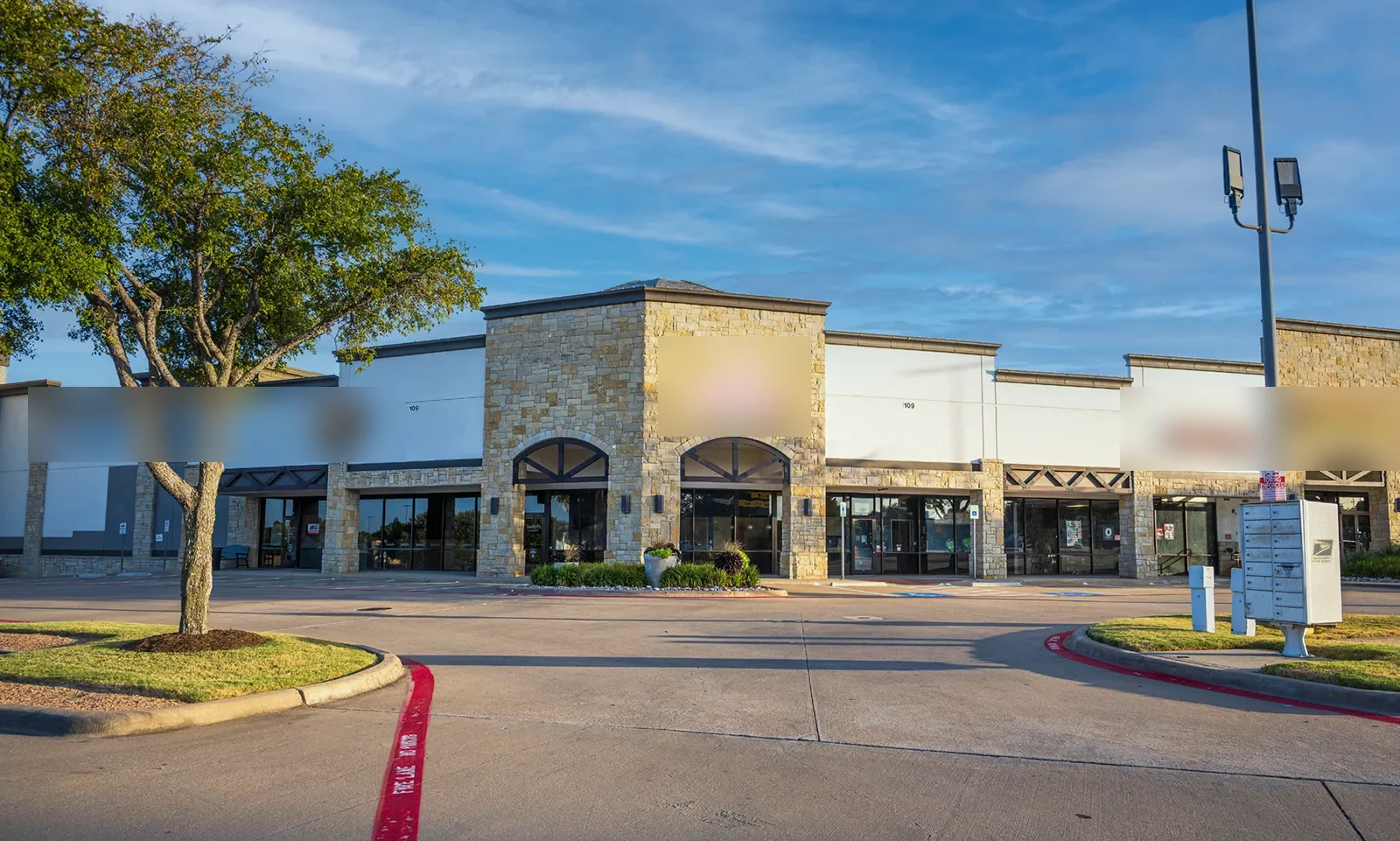
Treat Twin Creeks as a broader service area
The Twin Creeks name describes more than one point of interest: it appears in local planning for the village, park, and wider area. A roof service visit still needs a specific building and owner contact. We keep findings tied to that property's roof map, not the district as a whole. Allen's US 75 and SH 121 corridors connect business areas to wider North Texas routes, which can help plan travel and material access. The Stacy Road corridor and Allen city service area can share a schedule while maintaining separate roof records.
A service visit can cover more than one property in a day when access and urgency allow, but the record should still state which building was inspected. Each inspection record names the building and roof zones reached, so findings near Twin Creeks Village remain useful for that property. We ask whether the building's current manager has roof plans, vendor closeouts, and recent leak reports. If names differ between a work order and the property map, confirm the exact building with the site contact before mobilizing. This keeps a shared district label useful for scheduling without letting it replace a property-specific work location.
Map the reported issue to a roof zone
A tenant report of staining or active water is a starting point for an inspection. The entry may be away from the ceiling symptom, following a deck, insulation, or roof slope. We check seams, penetrations, curbs, drains, scuppers, wall transitions, and earlier repairs, then tie each photo to a roof section. The report says which areas were accessed and whether testing is needed for concealed moisture. If roof access or interior review is limited, that boundary is recorded. A commercial roof inspection can define a repair limit from observed conditions instead of extending work from a symptom alone.
During the first walk, note the roof material, visible attachment, field seams, transition details, interior symptom, and route water could take. If a drain is obstructed, identify whether debris alone is the issue or whether the drain connection needs repair. At a curb, examine flashing, counterflashing, and the surrounding membrane for movement. A photo should show both the detail and enough surrounding area to find it later. If no active leak is present during the visit, the report should state that rather than imply that the roof has been proven dry across all conditions.
Coordinate roof work around nearby activity
Commercial work requires planning for access, deliveries, lift placement, equipment service, and tenant notice. We confirm whether a service entrance or route near a public area needs to stay clear and whether rooms below an opening require protection. If a test cut is needed, the owner identifies who can authorize it and how the assembly will be restored. For multi-shift projects, each day's boundary should end weather-tight. An occupied-building roofing sequence can phase work while preserving safe routes and a clear site contact for schedule changes.
The site contact can identify delivery hours, public paths, parking access, and rooms or equipment that need protection. We plan where material can be staged and who can approve changes if an opening reveals wet board or a damaged deck. If another vendor needs roof access during the same period, settle sequencing before the membrane is opened. We also name the person who receives a weather update and confirms whether work should stop. These details let property staff prepare the building without assuming a work duration before the actual roof condition is known.
Inspect actual conditions after regional storms
Spring carries the region’s highest severe-thunderstorm frequency, and the Dallas-Fort Worth area can see hail, damaging wind, flooding, and tornadoes. After a reported storm, we inspect the building and record actual conditions at seams, edges, drains, and rooftop equipment. After a site-specific report, we check accessible roof zones for openings, shifted edge details, blocked outlets, or flashing damage and record what was actually observed. The record separates visible impact from prior wear and identifies sections not reached. A storm roof assessment can show which conditions were observed and what testing remains before permanent work is scoped.
If a building has more than one roof section, identify which areas were directly checked and whether rooftop units or screens blocked the view. A follow-up visit can inspect those zones once access is available. This prevents a partial survey from being mistaken for a conclusion about every roof surface in the wider Twin Creeks area.
Identify the roof before choosing repair materials
A repair detail may involve a heat-welded sheet, an adhered membrane, a multi-ply asphaltic surface, a metal panel, or a liquid coating. The installed assembly and substrate determine how the repair is prepared and tied in. We verify the installed material and substrate before selecting a patch, flashing, or coating method. Seams, penetrations, edges, and drainage details each need attention. If wet insulation or deck damage is found, a surface repair may not correct the underlying issue. A roof repair scope identifies the material, affected zone, removal boundary, tie-in, and any test that could change the work. No roof-system assumption transfers from one Twin Creeks property to another.
Set renewal options from the inspected area
An isolated defect may be repaired if adjacent material is dry, attached, and sound. Repeated leak calls, widespread moisture, loose attachment, or deck deterioration can point to broader renewal. Recovery depends on the existing layers, moisture, roof height, attachment, drainage, and current code requirements. Tear-off provides access to concealed components but needs debris, protection, and weather planning. We compare each option using the same roof boundary and state which facts remain uncertain. A recover assessment or a replacement scope should name the building, tie-ins, equipment coordination, and removal limits.
Keep repair history useful between service calls
Record the inspection date, roof zone, photos, materials, work authorization, completion details, and open follow-up. If the roof was only partly inspected, keep the unvisited area visible in the report. A maintenance entry should say which drains or penetrations were checked and what repair occurred. A roof condition report can preserve those details for the next manager. Nearby Watters Creek and Allen Premium Outlets can be part of a regional schedule, but each building's findings remain specific to the roof inspected.
At closeout, distinguish completed work from a temporary measure and list the next check if a section remains under observation. If a repair followed a reported storm, keep the report date separate from the inspection date and note what was actually visible. When a manager changes, transfer the roof map and open tasks, not only the last invoice. The next call can then start from the condition record and avoid treating a prior service visit as a full-roof inspection.
Commercial Roofing Questions
Does Twin Creeks mean one building or a wider area?
Local planning recognizes Twin Creeks Village, Twin Creeks Park, and the wider Twin Creeks area. We confirm the property that needs roofing service before scheduling.
Do you service commercial properties around Twin Creeks Village?
We assess the specific building, roof access, and operating needs. The village name alone does not establish its roof type or condition.
Will a spring storm report confirm damage here?
No. We inspect the actual roof and document visible conditions, tests, and areas that could not be reached.
How do you decide whether to patch or replace?
The roof system, defect boundary, moisture, attachment, and repair history support that decision. We record known facts and open tests before recommending work.
What information should we provide before a visit?
Share the property contact, roof access instructions, current leak report, maintenance history, and any restrictions on staging or work hours.