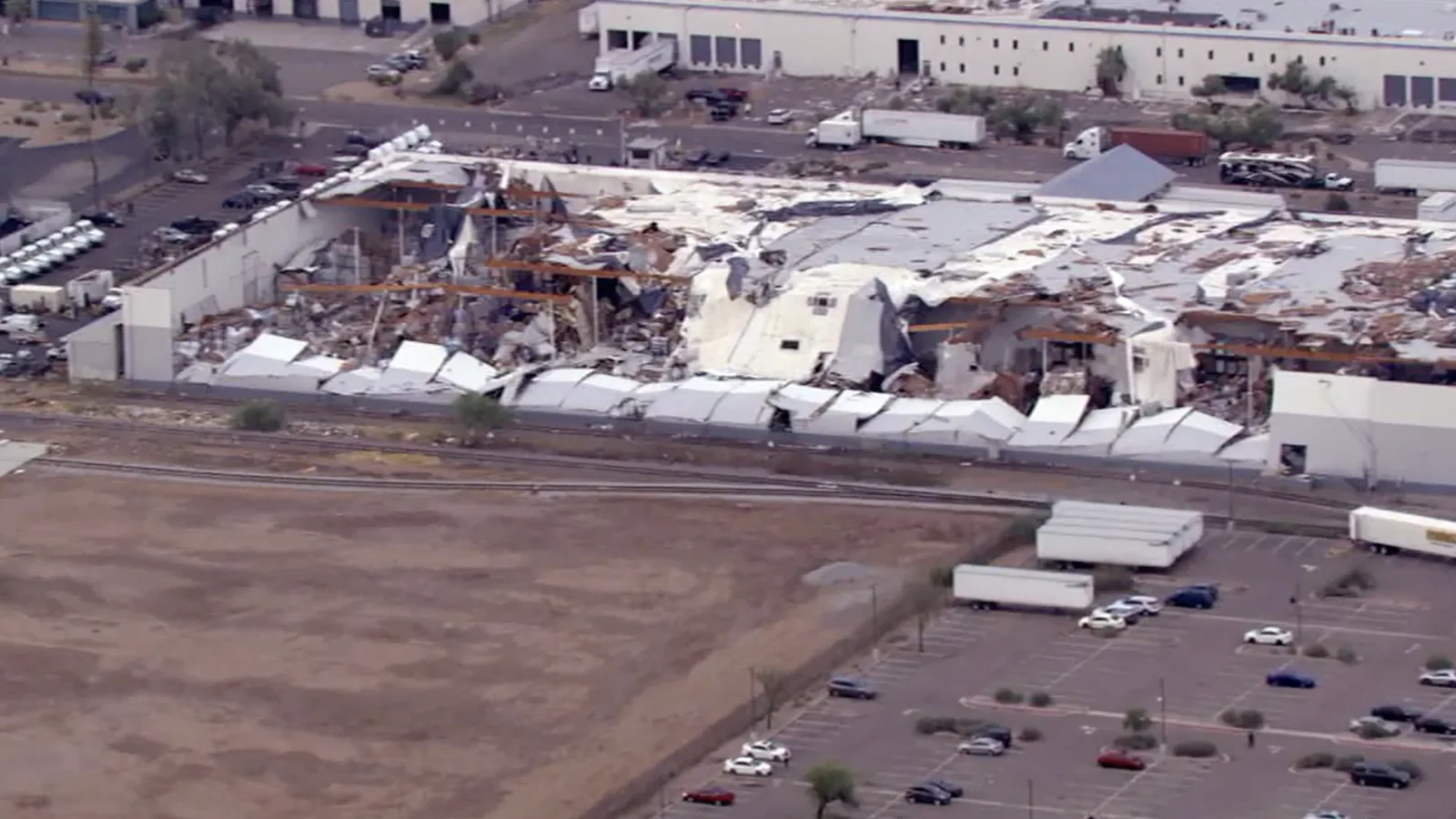
Wind Damage Roof Repair in Allen, TX
Wind damage is often first reported as a loose edge, a lifted panel, or a leak after a storm. In the Dallas-Fort Worth region, spring brings the highest severe-thunderstorm frequency, with damaging winds possible across the metroplex. Watters Creek includes office, retail, lodging, and meeting uses, while 121 Tech Park brings industrial and technology buildings into the local mix. Each roof needs its own inspection. That regional weather does not establish impact at every property. We inspect the roof itself and document wind-related roof conditions in Allen before setting a repair scope.
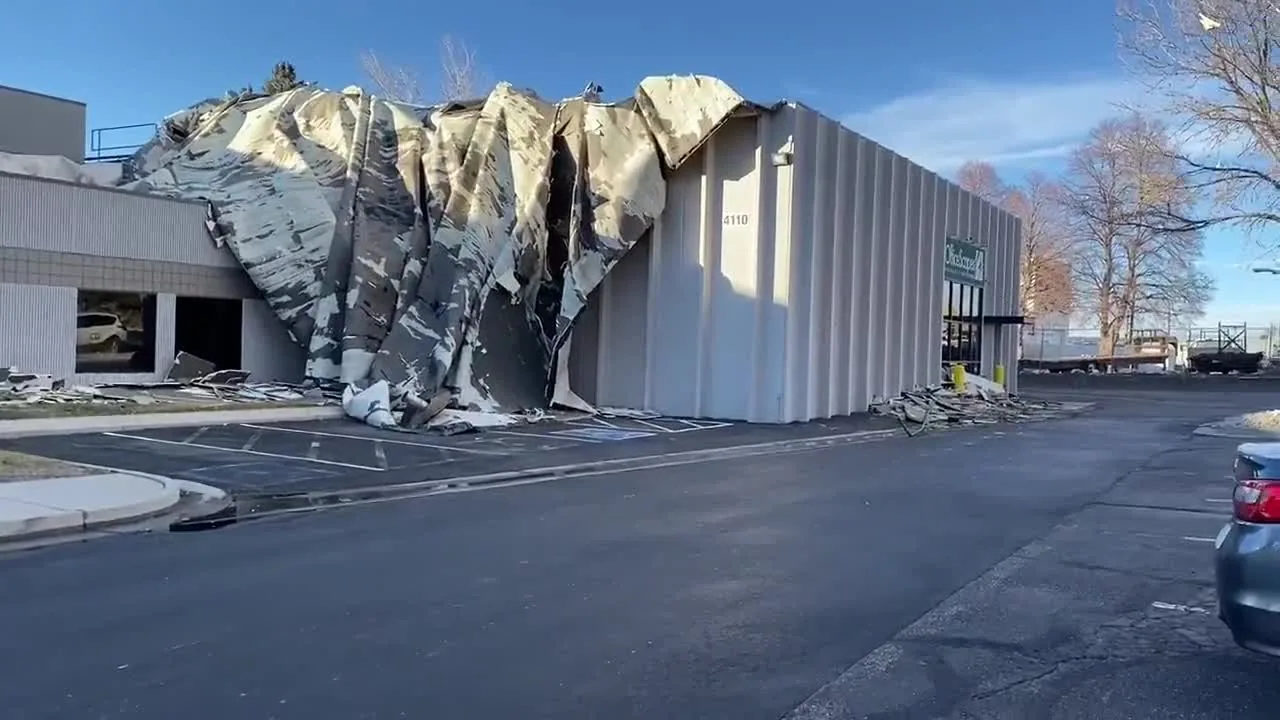
Protect openings before weather returns
If a membrane, panel, coping, or flashing is displaced, water can enter before a permanent repair is ready. We identify active openings, interior areas at risk, safe roof access, and any unstable material. Temporary protection should close the exposed area without blocking drains or adding load to a damaged assembly. We record what is secured and what still needs permanent repair so the owner can plan the next work window.
Interior protection may be needed under active water, especially around electrical systems, inventory, and occupied areas. We coordinate access with the facility contact and map the report to the roof section above it. An emergency roof response can address immediate exposure, while a later inspection documents the full repair boundary. The temporary measure is tracked separately from the materials and details used for final restoration.
Check edges, seams, and roof attachments
Wind can affect the perimeter, corners, panel laps, fasteners, membrane seams, rooftop equipment, and wall transitions. We inspect both the reported spot and surrounding roof areas for lifted metal, loose flashing, displaced coping, open seams, punctures, and evidence that water traveled below the surface. A building may have multiple roof systems, each with different attachment and repair details.
We note the material, fastener or seam condition, and whether the substrate remains secure. A roof inspection maps findings by zone and photographs conditions in context. Where insulation or deck damage is concealed, testing or a controlled opening may be needed. The report separates visible displacement from suspected moisture or areas that could not be accessed, giving the owner a basis for authorized repairs.
Describe observed damage without assuming the cause
Storm timing is useful context, but a wind report does not establish that a particular building sustained damage. We compare the event date, interior report, roof condition, prior repairs, and observed attachment or flashing failure. Existing wear, an old patch, and fresh displacement should be recorded separately when possible. The owner receives a description of what is visible and what additional opening or testing would confirm.
Wind may move one panel or loosen several related details. We inspect adjacent sections to determine whether the repair is isolated or follows a broader attachment issue. If hail marks are also reported, a hail damage assessment can document those conditions separately. A tornado damage inspection may involve more extensive building-envelope review where the property reports that type of event.
Match repair details to the roof system
Repair methods depend on whether the roof is single-ply, modified bitumen, built-up, exposed-fastener metal, or standing seam. A membrane patch needs a prepared compatible surface and a tie-in that restores the seam. Metal work may involve panel replacement, fasteners, clips, ridge details, eaves, or gutters. We identify the installed system before applying materials; a generic sealant over a loose detail does not correct attachment.
If insulation is wet or the deck has shifted, the scope should include those layers rather than cover them with a surface repair. A standing seam metal roof needs a repair suited to its concealed clips and panel profile, while a membrane roof uses different materials. We state what is replaced, how edges are secured, and where new work ties to existing material. Any code or permit review is checked for the project's scope.
Choose focused repair or broader renewal
One loose coping section or a localized seam opening may be repaired when surrounding material remains sound. Multiple displaced edges, repeated fastener pullout, widespread moisture, or deck damage may support a larger project. We map confirmed conditions and identify any test areas before comparing patch, recover, and tear-off. A recover depends on existing layers, moisture, attachment, roof height, and drainage.
Cost and schedule depend on material, access, lift or crane needs, deck work, temporary protection, and the time required to restore occupied areas. The owner receives clear work boundaries and any condition that could change after opening. An area repair can address a contained defect; replacement may be appropriate when the assembly no longer supports a reliable repair plan. Those recommendations follow inspection evidence, not storm category alone.
Keep the post-storm roof record current
Record the inspection date, weather reported by the owner, roof zones visited, visible conditions, photos, temporary protection, and permanent repairs. A roof condition report can distinguish completed work from areas requiring further testing. The facility file should include earlier maintenance and equipment changes so a later inspection can compare the same locations.
After repair, we check the tie-in, edge attachment, seams, drains, and adjacent transitions. Closeout identifies any section left under observation and the next inspection timing. If the owner is coordinating multiple properties, each site receives its own findings; a regional storm does not make roof conditions uniform. Scheduled review after the next rain can confirm that repaired details remain closed and drainage continues to work.
Owners should retain the inspection summary with roof plans, prior repair tickets, and equipment service notes. A loose curb or panel may have been handled during earlier work, and that history can help determine whether the current condition is new or recurring. We can identify any limit in the original inspection, including roof areas not accessed, materials concealed beneath a coating, or rooms that were unavailable for interior review.
If an estimator needs to revise the scope, the changed area should be photographed and tied to the original map. The owner can compare the new work limit with the first inspection and see whether insulation, deck, or attachment conditions changed the quantity. That clear record helps the facility coordinate temporary protection, repair authorization, and closeout without treating a rough weather report as a property condition assessment.
The final repair scope also identifies whether the roof remains under observation and who will arrange the next inspection. That note gives facility staff a clear responsibility after the roofing crew leaves the property for the day and during project closeout and facility staff handoff.
Commercial Roofing Questions
What should I do if wind lifts a roof panel?
Keep people clear of unstable material, report active water, and arrange safe inspection. Temporary protection may be needed before permanent panel or flashing repair.
Does a wind report prove my building was damaged?
No. It gives regional context. We inspect the property and document visible conditions, prior repairs, and any area that needs closer testing.
Can loose edge metal be repaired without replacing the roof?
A localized section may be repaired when adjacent material and attachment are sound. Multiple failures or wet insulation can expand the repair scope.
What does a wind damage inspection cover?
We check membrane seams, panel attachment, coping, edges, flashings, equipment, drains, and reported interior leaks, then map findings by roof section.
How quickly should temporary protection be installed?
Active openings should be addressed before water reaches more of the building. The protection must be secured safely and should not block drainage or conceal the condition permanently.