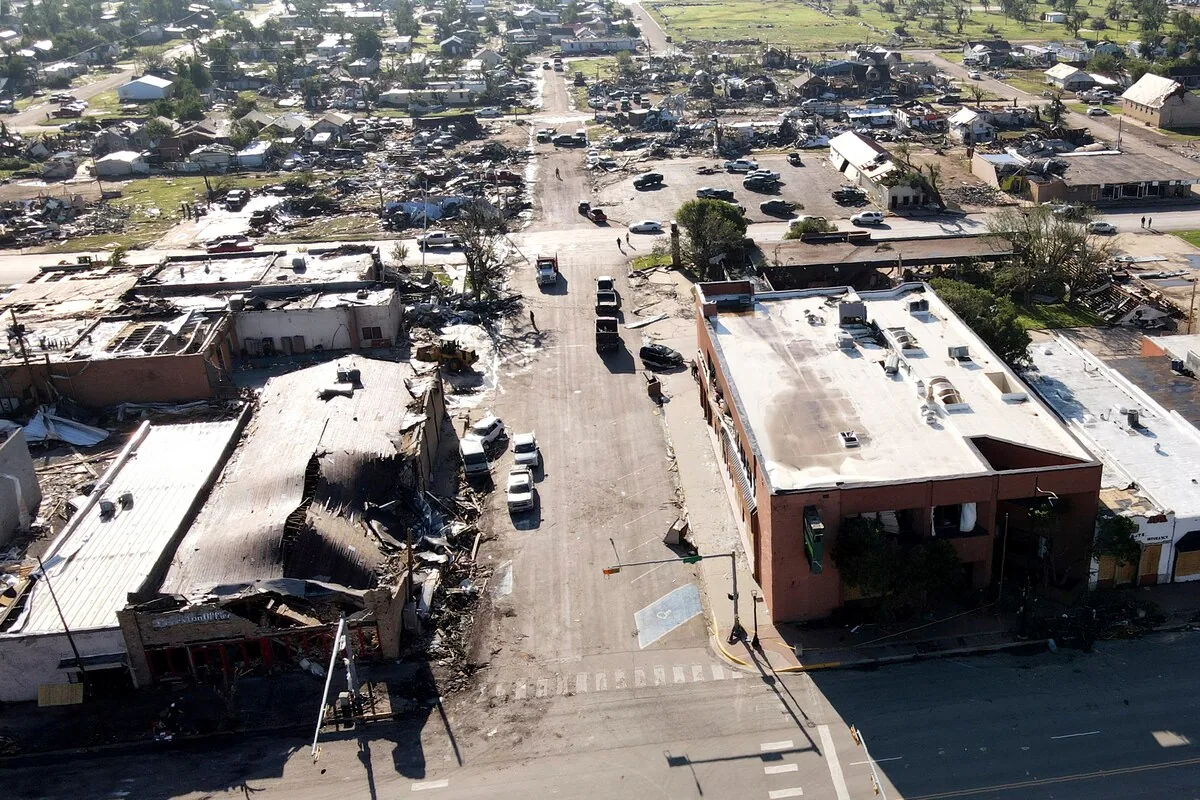
Fire Damage Roof Repair in Allen, TX
Fire damage can affect more than the visible roof opening. Heat, smoke, suppression water, and debris may reach membrane, insulation, deck, flashing, or rooftop equipment, and the condition can vary by area. Allen's commercial mix includes Watters Creek office and retail uses and industrial and technology buildings near 121 Tech Park. We assess commercial roof fire damage in Allen after safe access is established.
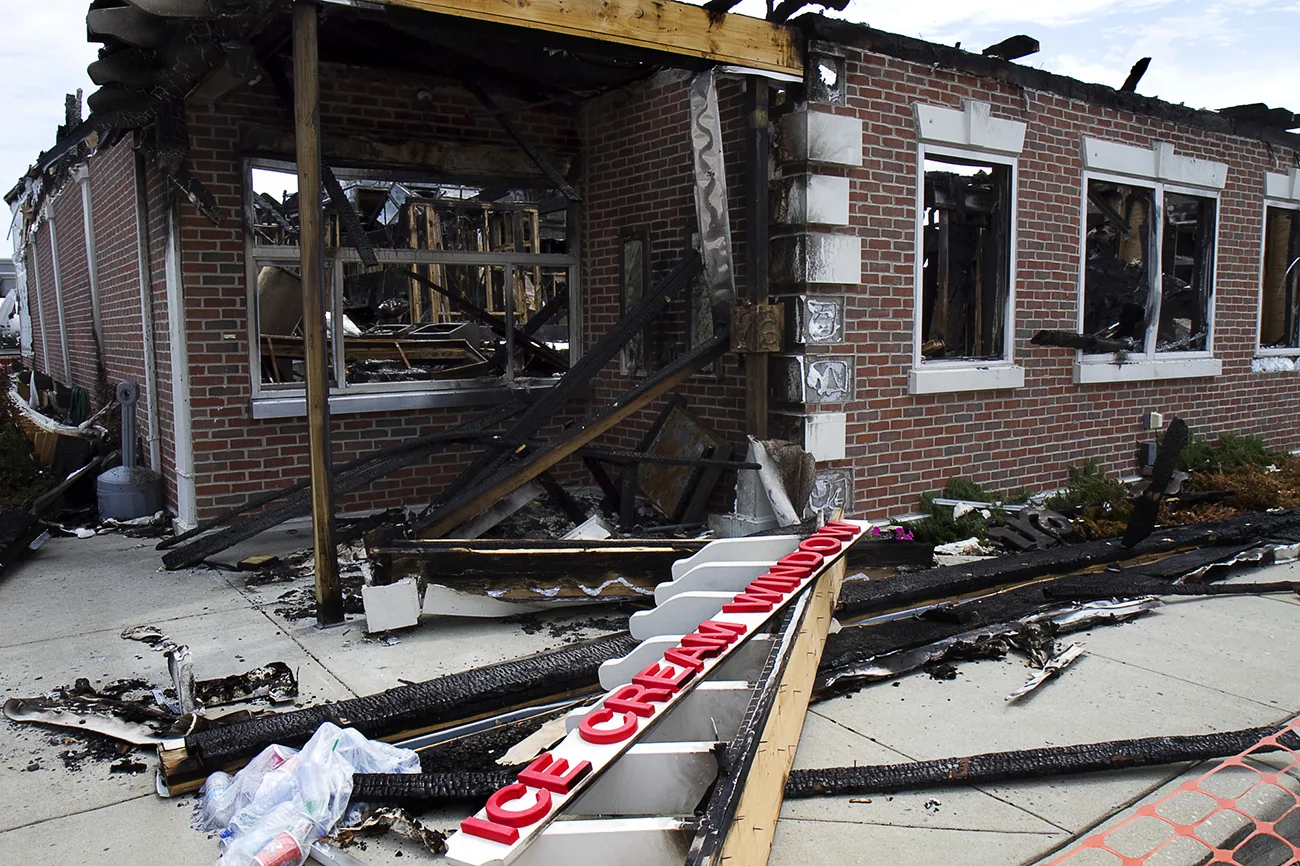
Confirm safe access before roof inspection
After a fire, the building owner and responding authorities determine when affected areas can be entered. Structural or electrical concerns should be cleared by the appropriate professionals before roofing work begins. We coordinate roof access with the facility contact and follow site controls. If debris or unstable material is present, the inspection area is limited until it can be reached safely.
Where water is entering, temporary protection can reduce further exposure once access is approved. We identify the affected roof section, interior area at risk, and drainage path before setting a cover. An emergency roof response can address active exposure, while permanent repair follows after the assembly has been examined. The record separates temporary protection from completed restoration.
Map the heat- and water-affected areas
We inspect the roof surface, seams, penetrations, curbs, edges, drains, and areas near the fire origin if access permits. Heat may distort or embrittle some roof materials; suppression water can enter through openings or move beneath the membrane. We photograph visible conditions and compare them with interior reports, roof plans, and earlier repair records. The roof map identifies which sections were accessed and which remained covered or unsafe.
A roof inspection records membrane or panel damage, insulation concerns, deck observations, and any equipment affected by heat or water. Testing or controlled openings may be needed to confirm hidden conditions. A visible surface that looks intact does not establish the condition beneath it. Findings distinguish observed damage from suspected areas and state the limits of the inspection.
Check each roof layer before repair
A roof assembly may include membrane or panels, cover board, insulation, vapor-control layers, and deck. Fire exposure can affect layers differently, and suppression water may saturate material beyond the area with visible burn marks. We identify the installed system and inspect the substrate before selecting repair material. If deck condition is uncertain, the scope calls for testing or review by the appropriate building professional.
A patch may be suitable where damage is confined and surrounding material remains secure. If heat, water, or debris affected a larger section, the assembly may need removal and replacement. An replacement scope should define tie-ins, equipment coordination, temporary weather protection, and debris handling. For metal systems, metal roof retrofit options are considered only after panel and support conditions are known.
Trace suppression water and drainage
Water used during response may travel across the roof and enter through damaged seams, penetrations, or open edges. We compare interior wet areas with roof slope and outlets. Suppression water can also carry debris into drains and scuppers. The inspection checks the full drainage path so a blocked outlet does not create a second issue after the fire-related opening is secured.
Allen and the Dallas-Fort Worth region see heavy convective rain and severe spring storms, but weather after an incident is separate from fire damage. We document actual conditions at the site, including wet insulation, open seams, displaced flashing, and standing water. If a wind event also affected the roof, a wind damage inspection records those conditions separately from heat exposure.
Define the repair boundary with evidence
Fire damage repair begins with a map of confirmed conditions and areas needing further inspection. A localized penetration or edge opening may be repaired if adjacent layers remain serviceable. Broader heat damage, wet insulation, weakened attachment, or deck changes can shift the recommendation toward tear-off and replacement. We explain what inspection confirmed and what remains concealed, so the owner can choose whether to expand testing.
Cost and timing depend on access, damage extent, removal, deck work, equipment, debris, and temporary weather protection. Work may need to be staged around other restoration trades. A roof condition report can connect photographs to repair limits and follow-up needs. A separate puncture repair may be included if the inspection confirms an opening unrelated to heat distortion.
Coordinate roof restoration with other trades
Fire restoration may involve structural, electrical, mechanical, interior, and roofing contractors. The project lead should identify which party handles equipment removal, deck review, penetrations, insulation, and interior protection. We coordinate the roof boundary with those scopes and confirm which materials need to be installed before the membrane can close. An abandoned unit or temporary conduit can leave an opening if the final roof detail is not settled.
Sequencing also needs a secure end-of-shift condition. The crew should know who can authorize a change when concealed material differs from the inspected surface and how weather protection is maintained during a delay. Closeout records the roof sections restored, materials installed, and any testing or inspection still required. This helps the facility track roofing separately from interior restoration and other building work. When interior demolition exposes a ceiling cavity, the resulting view can help locate wet insulation or a deck opening, but it does not establish that roof materials outside that opening are unaffected. We compare those observations with the roof-side inspection and label any mismatch for follow-up. If debris removal changes access, the project contact can set a new inspection window before permanent materials are ordered. This keeps a limited emergency cover from becoming the assumed final scope.
Keep fire and roof records connected
The roof file should include inspection dates, zones accessed, photographs, material findings, temporary covers, permanent repairs, and remaining test areas. The owner can keep incident records and restoration approvals alongside the roofing scope without treating them as a substitute for field inspection. A later assessment can compare the same areas and determine whether additional work is needed.
After repair, we check tie-ins, edges, penetrations, and drains in the affected section. If an area remains under observation, the closeout names the follow-up task and responsible contact. A complete record helps property and restoration managers coordinate future repairs and prevents temporary protection from being mistaken for permanent roof restoration.
Fire response can change the roof surface even where the visible flame path was limited. Soot, water, and displaced material may cover or obscure seams and penetrations. We document the inspected areas and note any portion that could not be assessed until debris is removed. If the underlying substrate remains uncertain, the report identifies a controlled opening or professional review as the next step.
The owner can match roof photos with restoration dates, contractor access, and equipment removal. If a mechanical unit was disconnected or relocated, the final curb and penetration need to be checked before the assembly is closed. We record which trade completed each interface and whether the roof section was weather-tight at handoff. That prevents a temporary opening from being treated as part of the final repair.
For a property with several buildings, each roof receives its own condition record. Heat and suppression water can affect one building differently from another even when both are part of the same event. We list the specific roof areas accessed, repairs made, and follow-up items so the owner can sequence remaining restoration without transferring assumptions across the site.
Commercial Roofing Questions
Can the roof be inspected immediately after a fire?
Inspection begins after the owner and appropriate authorities establish safe access. Structural, electrical, or debris hazards may limit which areas can be entered.
Does fire damage mean the entire roof needs replacement?
Not necessarily. The decision depends on the extent of heat, water, deck, and insulation damage. We map confirmed areas and identify what testing is needed.
Can suppression water damage roofing?
Water can enter through open seams or penetrations and travel beneath the membrane. We inspect the assembly and drainage in addition to visible heat damage.
What should be separated in the repair scope?
Document temporary protection, roof materials removed, deck or insulation work, equipment changes, and permanent roof restoration as defined tasks.
Who clears the building for roof work?
The owner and responding authorities establish access conditions. We coordinate with the facility contact and follow the approved site controls.