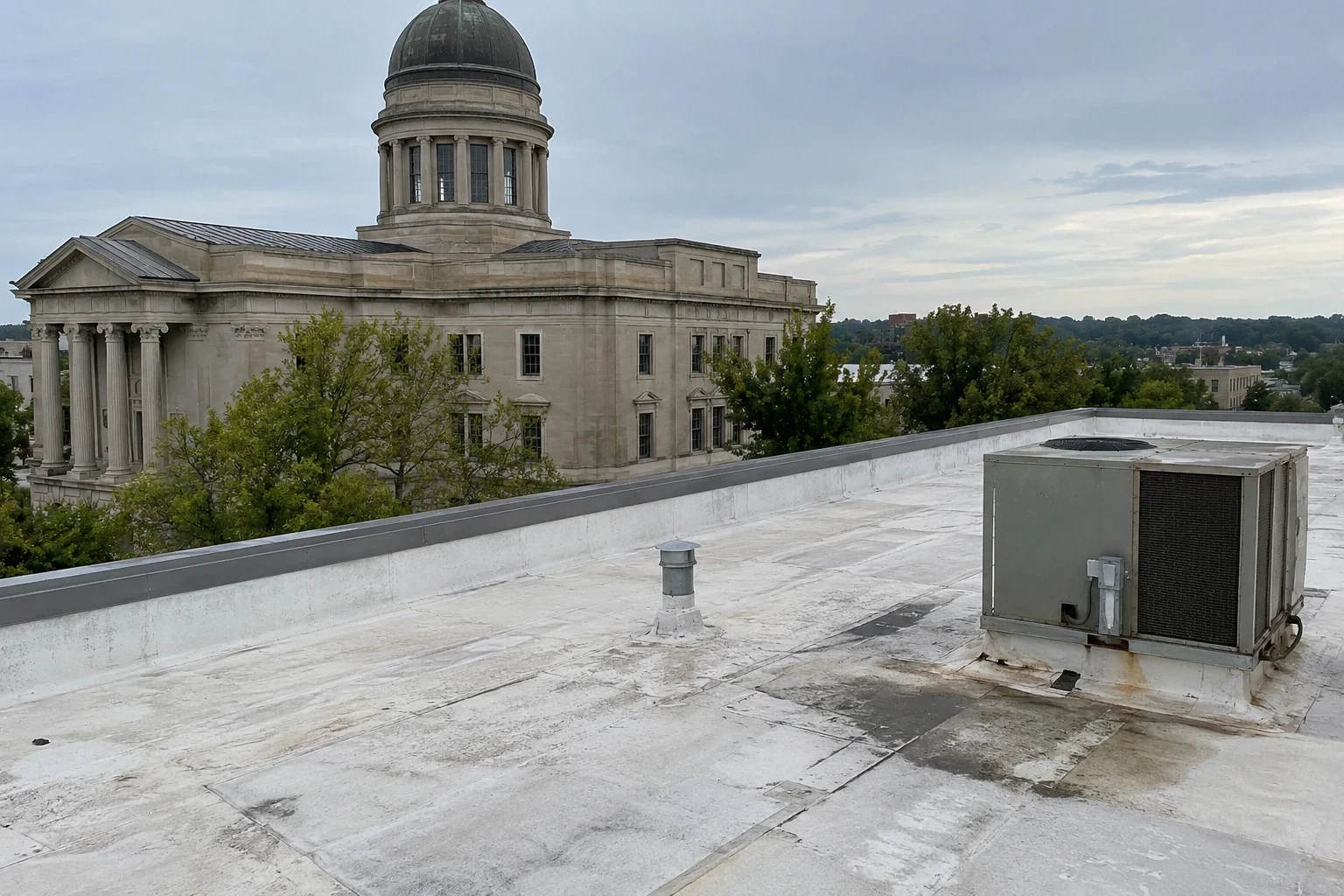
Office Building Roofing in Allen, TX
Office roof work has to account for the people below as carefully as the membrane above. Watters Creek includes a multi-phase corporate office park alongside retail, lodging, and meeting uses; 121 Tech Park brings office, industrial, and technology space near US 75 and SH 121. Each setting brings different access and tenant patterns. We inspect the assembly, occupant schedule, and rooftop equipment before laying out commercial office roofing in Allen by roof zone.
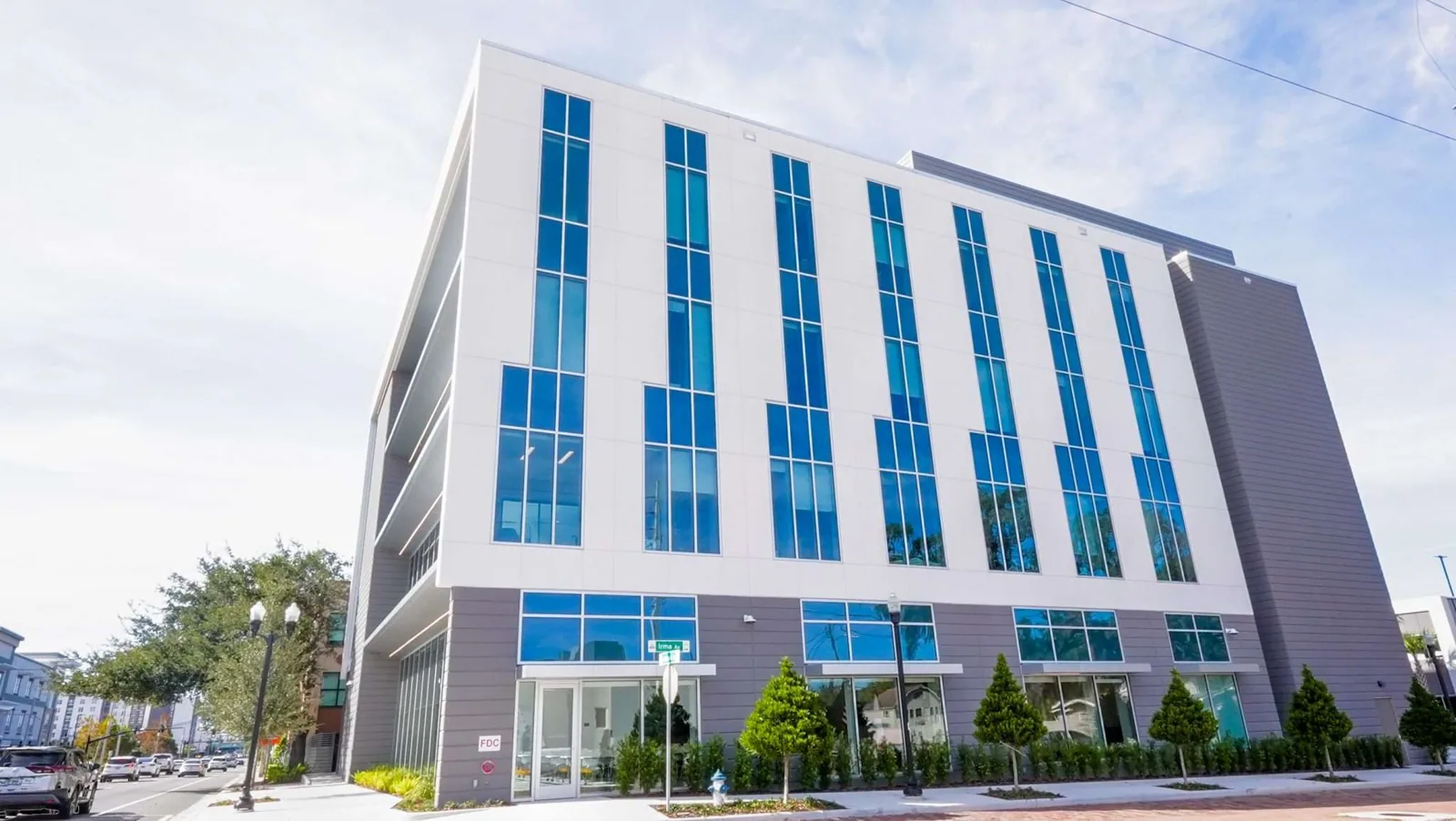
Schedule around a building that stays in use
Tenants may need quiet meeting areas, clear entrances, and stable indoor conditions while repairs take place. We identify tenant hours, sensitive rooms, loading access, stairwell routes, and any roof hatch controls. Those details shape material staging, lift placement, and the sequence of noisy work. A written notice can identify which areas may hear work or see temporary access restrictions, with a contact for schedule changes. We confirm whether tenant representatives, security, or building engineers must approve roof access, and how deliveries of membrane rolls or insulation move through service corridors. If access depends on a key, badge, or escort, the plan names the responsible contact and the hours when that route is available. Clear notice is particularly useful when crews work above conference rooms, shared amenity areas, or a tenant suite with equipment that cannot be exposed to dust.
For a multi-tenant property, building management sets communication and access rules while the roofer owns the work area and daily closeout. An occupied-building reroof plan divides the roof into manageable sections, with a dry-in condition before the crew moves. We coordinate interior entry only where it is needed to trace a leak or protect finishes. Work at office buildings in Watters Creek may require different scheduling from a standalone workplace, even when the roof systems look similar.
Find the source before repairing the stain
A ceiling tile may show water below a rooftop unit, but the opening can be at a seam, curb, drain, or wall termination some distance away. We compare the reported location with roof slope, water paths, and previous repair records. The walk-through checks membrane seams, penetrations, equipment curbs, skylights, drains, edge metal, and visible changes in the deck. Inside, we note stained finishes and whether the leak follows rain, mechanical use, or a recurring condensation pattern.
Office owners benefit from a roof plan labeled by wing, floor, and unit number rather than a general note that the leak is “near the conference room.” A commercial roof inspection can establish those references, photograph visible conditions, and separate observed moisture from suspected areas. Where hidden insulation damage could change the repair limit, targeted testing can guide the next opening. That keeps an inspection report useful to the next facility or property manager.
Check curbs and service paths
Office roofs collect HVAC units, exhaust fans, conduit, pipe supports, and access paths that maintenance technicians use year after year. Repeated foot traffic can wear membrane surfaces, while equipment replacement can alter the curb or flashing. We identify the service path and examine each transition for loose seams, sealant separation, unsupported pipe, or damage left after mechanical work. A new unit should have its position and curb detail coordinated before installation begins.
When equipment changes are planned, the roofing and mechanical scopes need a shared sequence. We can document which curbs remain, which should be removed, and where abandoned penetrations need permanent closure. A curb and support repair addresses these high-risk details. The facility team should also identify antennas or communications lines that cannot be moved without approval. At Watters Creek and 121 Tech Park, a varied tenant mix makes a current rooftop equipment plan especially useful during property handoffs.
Manage heat, rain, and occupied interiors
North Texas heat pushes exposed membranes and sealants through high summer temperatures, while humidity remains high. We check whether surface wear has reached seams or flashings and whether drains can carry water away after a downpour. A reflective surface does not correct wet insulation or poor drainage by itself. If water regularly collects near a mechanical screen, the roof plan should identify both the outlet and the path feeding it.
Spring storms in the Dallas-Fort Worth region can bring hail and damaging wind, but regional weather does not prove damage at an individual office. A post-storm review documents actual marks, displaced metal, open seams, and interior reports at the property. The roof area above an occupied tenant deserves prompt attention when water is active, while any larger repair still needs proper diagnosis. A post-storm inspection provides a record of observed conditions and any work required to close the envelope.
Select a repair that fits the installed roof
Office properties can include low-slope single-ply, built-up, modified bitumen, or metal roofing, with additions installed at different times. We identify each assembly before choosing repair materials. A patch should bond to a prepared compatible surface, and new flashing needs to account for curb movement and water flow. If a property has a coated section, we confirm coating type and substrate condition before proposing another layer.
Where a new roof is being considered, the choice should reflect deck condition, insulation, drainage, access, and the building's maintenance plan. A TPO roof system may fit a project when those conditions support it, while another assembly may suit an existing detail better. We explain why the chosen system matches the roof instead of treating one product as the answer for every wing. Repair boundaries remain visible in the proposal so tenants and ownership can understand what changes.
Keep building records useful after the work
Office property records should connect roof photos, leak calls, tenant reports, equipment work, and repair invoices by location. A service history makes recurring conditions easier to spot and helps the manager distinguish a new defect from an earlier patch. We can provide a roof condition record with prioritized findings, recommended next steps, and areas to monitor. The document can support capital planning without presenting an untested concern as a confirmed failure.
For portfolios, an office building may sit alongside medical suites, flex industrial space, and retail. A separate medical office roof plan can account for patient access, while scheduled roof maintenance keeps drains, curbs, and repaired details on the calendar. The owner can compare each building by condition and operational consequence, then decide whether the next action is inspection, repair, or replacement. For a site with critical technology space, a data center roof plan accounts for its own access controls and equipment risks. A clear work plan also makes tenant communication more predictable.
Commercial Roofing Questions
Can roof replacement happen without closing the office?
Often, roofing can be phased while tenants remain in the building. Access, noise limits, weather, temporary tie-ins, and indoor protection determine the schedule.
Who should receive leak updates in a multi-tenant building?
Building management should identify a primary contact and the affected tenant contacts. We can report the roof zone, observed conditions, protection in place, and next step to the people managing access.
Do HVAC replacements affect roof repairs?
Yes. New equipment can change curb dimensions, flashing, service paths, and the timing of a roof opening. We coordinate the final equipment position before restoring the membrane.
What does an office roof assessment include?
We inspect the roof assembly, drains, seams, curbs, edge conditions, and reported leak areas, then connect photos and observations to a roof map and recommended work.
How do you separate storm damage from wear?
We record visible impact and compare it with existing wear, prior repairs, and interior reports. The assessment describes what is observed at the building rather than assuming damage from regional weather alone.