Commercial Roof Warranty Management in Allen, TX
A warranty file can become hard to use when the building changes hands, rooftop equipment is replaced, or a leak is repaired without updating the record. The document's actual terms govern what is required, so the first task is to identify the roof system, warranty issuer, coverage period, exclusions, and inspection or notice procedures from the owner's copy. Allen properties range from office and retail uses at Watters Creek to flexible industrial, office, and technology space near US 75 and SH 121. We help facility teams keep roof findings and service records tied to the document that applies to each building.
Locate the current warranty documents
Gather the issued warranty, roof plan, closeout package, product information, prior repairs, inspection reports, and maintenance notes. Confirm which building and roof section each document covers. A portfolio may have more than one system or phase, and a document for one roof does not automatically apply to an adjacent addition. If the original paperwork is unavailable, we can record what the owner has and identify the information still needed from the issuer or prior project file. A roof asset record can keep the document with the building's system and repair history.
Read requirements from the issued terms
Warranty conditions vary. The owner's document may address notice, maintenance, approved repair methods, inspections, alterations, or records, and the actual wording controls. We can review the roof condition and organize the requested field information, but the warranty issuer determines how its terms apply. Never assume that a repair is covered or that routine work is allowed without checking the document. The report should identify the relevant clause or requirement in the owner's copy and direct coverage questions to the issuer. Product information from GAF roof systems or Carlisle SynTec products can help identify the assembly before the owner reviews the warranty terms that apply.
Record the document date and any later amendments, because a roof may have more than one file version. The facility contact can identify which copy came from project closeout and whether the issuer later issued a revised schedule or endorsement. When the terms require periodic inspection, note the interval and how the inspection should be documented. If a repair method is restricted, capture the exact detail the document identifies and confirm it before a crew opens the roof. These steps reduce avoidable gaps in the record, but they do not expand coverage or substitute for a written response from the issuer.
Record observed conditions before work
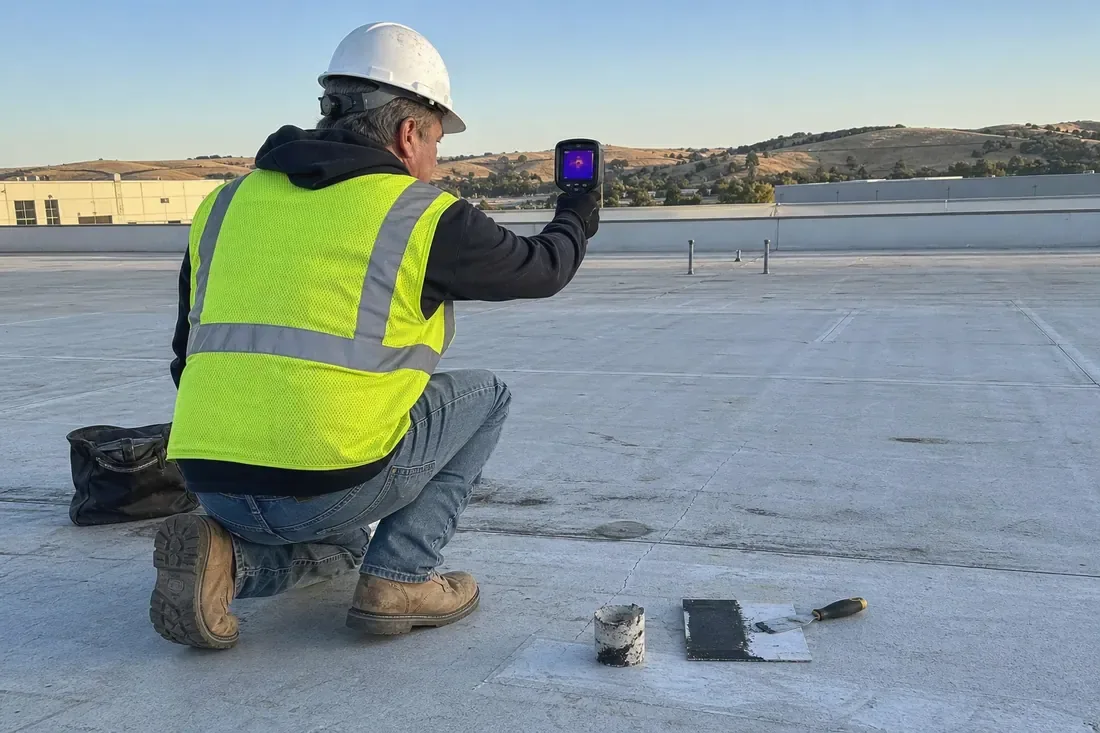
Before a repair begins, document the roof zone, visible defect, material, nearby details, and any interior report. Photos should include context and a close view so the location can be found again. If testing or an opening is needed, record the method and permission before proceeding. We separate observed conditions from suspected concealed damage and preserve access limits. A condition report with photographs gives the owner a dated record to compare with later service and any issuer response. It cannot promise a coverage outcome, and it should not label storm cause unless the field evidence supports that conclusion.
Coordinate repairs and alterations
A mechanical replacement, new penetration, sign attachment, solar installation, or roof repair can affect details addressed by the warranty terms. The facility should identify the planned work and check whether notice or a specific installation detail is required before work starts. We document the roof interface and the scope performed, including materials, tie-ins, and areas not disturbed. If another trade is working on the roof, the project lead should coordinate responsibility for the final flashing and any inspection needed after installation. A curb and penetration scope can include the roof transition affected by equipment work.
For each alteration, the work file should identify the contractor, affected roof section, materials used, and how the new detail joins the existing assembly. If equipment is relocated, document both the old penetration closure and the new curb flashing. A later leak near that work can then be assessed against a clear record instead of a general note that rooftop work occurred. Keep approvals and inspection findings with the project closeout, and note any detail the owner still needs the issuer to review.
Maintain records across Allen properties
Allen's commercial mix includes the multi-use Watters Creek district and office, industrial, and technology space at 121 Tech Park. These settings make record ownership and roof-zone identification important when several facility contacts or vendors share responsibility. Allen's hot summers and spring storm exposure make dated inspection notes useful when an owner reviews roof work under the warranty file. We keep the event date, inspection date, actual observations, temporary protection, and permanent work distinct in the file. A local roof inspection in Allen can update a dated condition record when the current file does not show recent work.
Separate maintenance evidence from coverage decisions
Maintenance notes help an owner show what was inspected, cleaned, or repaired, but their value depends on the actual warranty requirements. We can record drains, seams, penetrations, edge details, and visible membrane condition, then identify the next action. The issuer decides whether the documentation satisfies its terms and whether a reported condition falls within coverage. If an active leak needs protection, the facility should document the immediate measure and check the notice process rather than delay water control while coverage is reviewed. A maintenance visit can preserve dated observations and repair recommendations for the building file.
Maintenance findings are most useful when they include the date, roof zone, visible condition, and work performed. A general entry such as routine service does not show whether a drain was clear or an open seam was observed. Keep recommendations separate from completed tasks so a future reviewer can tell what was inspected and what still requires approval.
Keep claim and repair correspondence together
Retain notice dates, issuer correspondence, inspection findings, photos, approvals, repair scope, invoices, and closeout materials beside the warranty copy. If an issuer requests an inspection or specific information, record who will provide it and by when. Closeout should identify what was repaired, what remains open, and whether further review is required. For several buildings, a multi-site roof program can maintain common file fields and review dates while keeping warranty documents tied to their specific roofs. Consistent filing supports a clean handoff to the next property or facility manager without implying coverage beyond the written terms.
A warranty contact list should also show who can submit notice, who can arrange access, and who will retain the response. When a property changes management, transfer the open items and the issued document together. Do not mark a reported condition resolved until the repair and any required issuer inspection are complete. If the issuer requests more evidence, preserve the original roof photos and add requested views as a separate dated set so the record shows what changed between visits.
Commercial Roofing Questions
Does a roof warranty cover every leak?
No coverage outcome can be assumed. The issued document, observed cause, exclusions, and issuer review determine how a reported condition is handled.
Can you tell us whether a repair voids a warranty?
We can identify the roof work and organize relevant document terms. The issuer determines how the warranty applies to a specific alteration or repair.
What records should stay with the warranty?
Keep the issued document, roof plan, inspections, notices, repair scopes, photos, approvals, invoices, and closeout notes tied to the covered building and roof area.
Should a leak be protected before the issuer responds?
An active opening may need temporary protection. Document the measure and follow the notice requirements in the issued warranty while controlling the exposure.
Can one warranty file cover multiple buildings?
Only if the documents say they do. Keep each property's roof system, covered area, and issued terms identifiable, even when one owner manages the portfolio.