Multi-Site Commercial Roofing Programs in Allen, TX
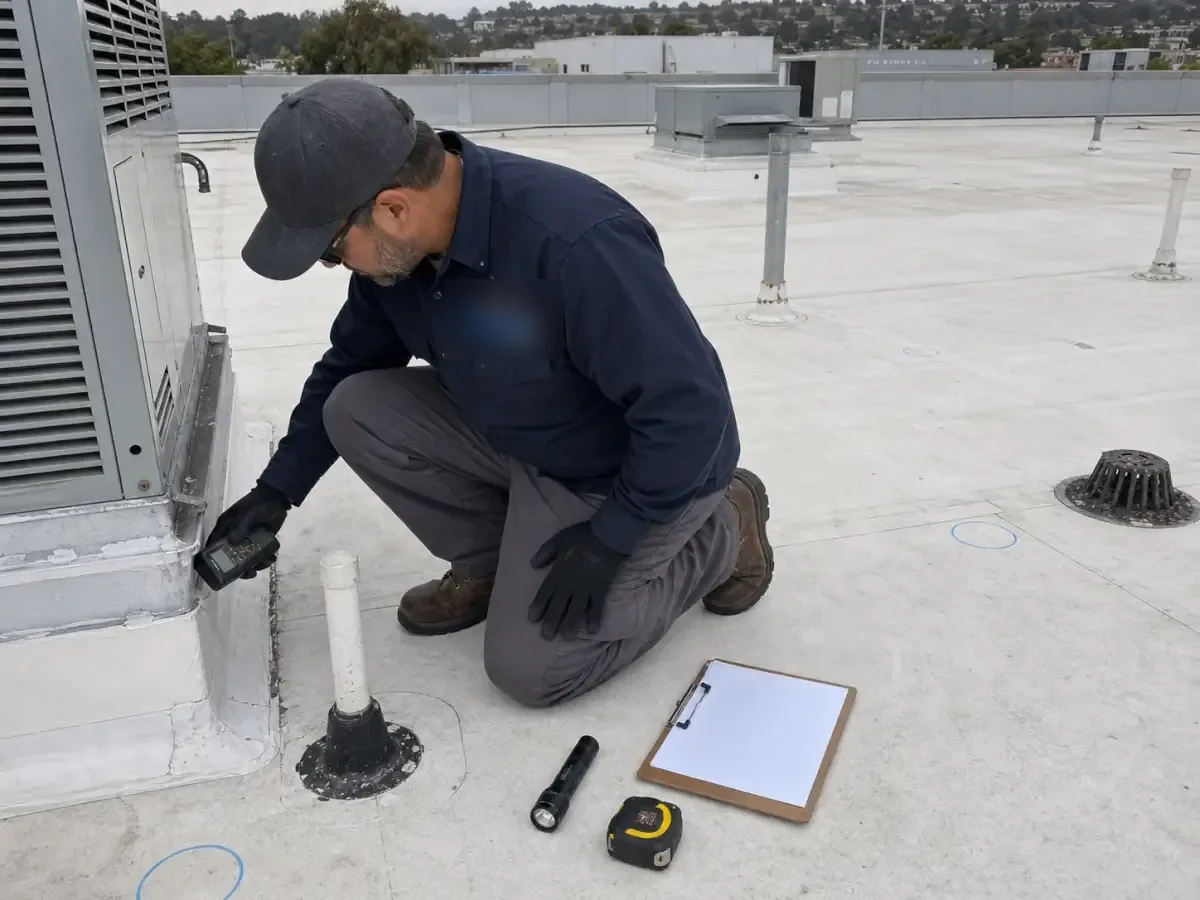
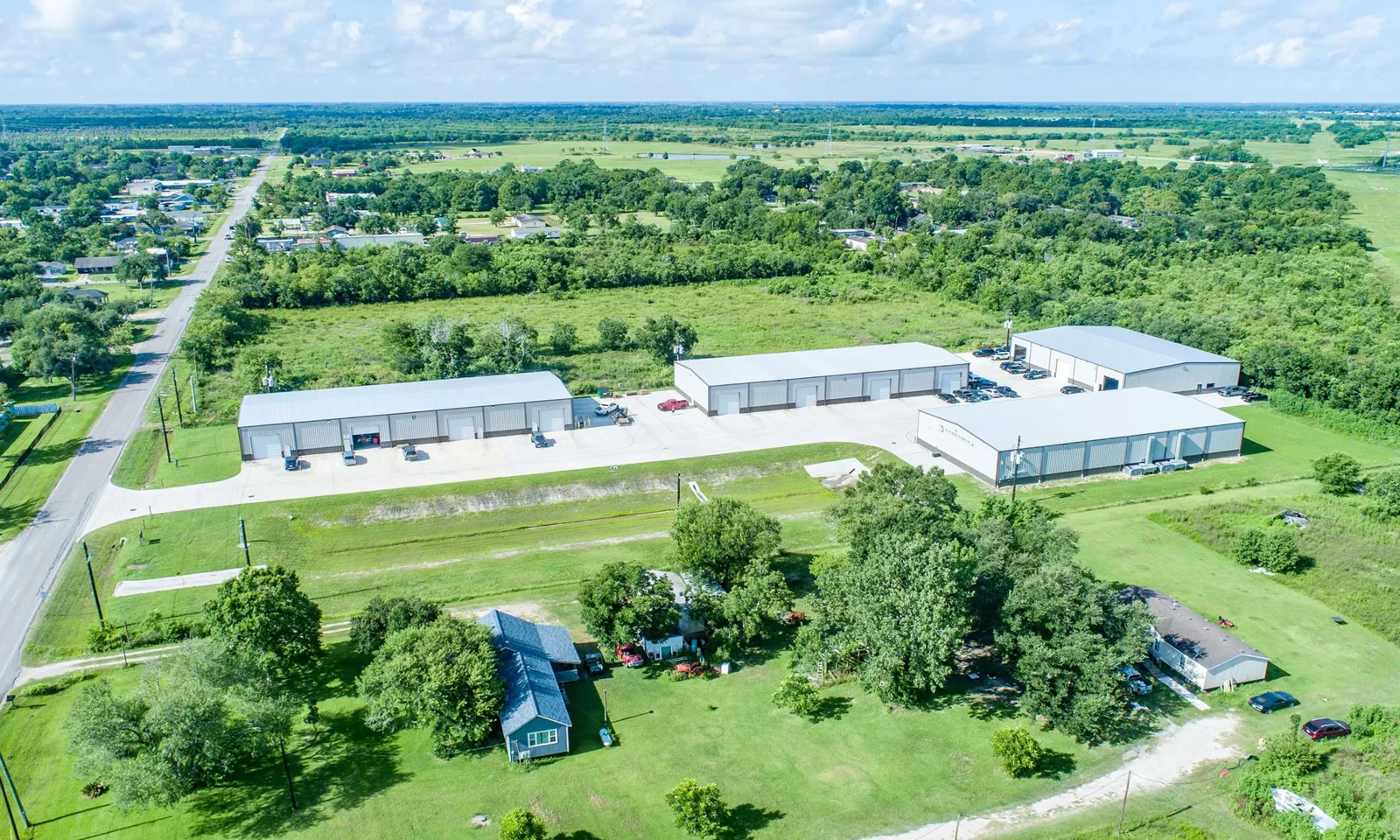
A multi-property roof program needs one way to request work and compare findings, while preserving the condition and constraints of each building. Watters Creek includes office, retail, lodging, and meeting uses; 121 Tech Park combines flexible office, industrial, and technology space near US 75 and SH 121. The two districts have different operating patterns, so a portfolio visit still needs a building-specific access plan. Their tenants, equipment, roof assemblies, and access windows can differ. We coordinate commercial roof inspections and repair planning across a portfolio without turning a shared schedule into a shared diagnosis.
Set one intake path for service requests
For each property, collect the building name, roof access contact, reported area, date, current water entry, and any interior equipment or tenant at risk. The site contact can share previous repair records and indicate whether a crew can access the roof during normal hours. A request number can track the call, but the field finding still belongs to the specific roof zone. We separate active leaks from planned review and mark any emergency condition for prompt scheduling. A roof emergency response can address immediate exposure while the portfolio coordinator organizes permanent repair decisions for that property.
Standardize the report fields, not the conclusion
Common report fields make it easier to compare buildings: roof system when confirmed, inspection date, zones reached, visible defects, moisture testing, repair limits, access constraints, and follow-up owner. The condition itself remains building-specific. A drain issue at one property does not establish a drainage problem across every site. A photo-based condition report can use the same structure while keeping each roof map and evidence set separate. If field staff identify an unverified layer, the report says what was not observed and what test could clarify it rather than assigning the same assumed condition to the rest of the portfolio.
Group site visits by access and work type
Route planning can reduce repeated mobilization when several properties have similar access needs, but roof order should follow urgency and readiness. A building with active water may need an earlier visit than one scheduled for routine review. Some locations require escort, interior access, equipment coordination, or tenant notices. We confirm those needs in advance, then sequence roof inspections by geography and site availability. A drone roof inspection may help document accessible surface areas where conditions and regulations allow, while hands-on review remains necessary for details that require close examination.
The coordinator can collect each site's escort process, roof hatch or ladder access, key contacts, restricted hours, and equipment that requires notice. Confirm whether the visit includes interior follow-up or only roof observations, and identify who can approve a test opening. A route should leave room for a longer review if active water, unsafe conditions, or concealed damage changes the visit. We record completed and deferred locations before leaving so a property omitted from the route is not confused with a roof that was inspected and found clear.
Keep repair scope attached to the property
When a contractor recommends work, the program record identifies the building, roof zone, defect, material, boundary, and any assumed conditions. If testing could expand removal, the owner decides how that change will be authorized. A portfolio coordinator can review priorities across buildings, but should not apply a repair detail from one roof to another without confirming system compatibility. A roof asset record can preserve each property's history and open tasks. After repair, store photographs and closeout details with the same zone reference so a future call does not begin with a search through disconnected work orders.
Authorization should name the building and the approved work limit. If a second site has a similar symptom, review its own roof before adding it to the work order. A change in membrane, attachment, curb height, or edge detail can require a different repair method. We can document the completed work and any variance from the original scope so the portfolio file distinguishes what was approved from what the crew observed after opening the assembly. This detail is particularly important when several vendors work under a shared property manager.
Plan around Allen's operating and weather calendar
The Dallas-Fort Worth region sees hot summer days and its most active severe-thunderstorm period in spring. Those conditions can affect roof work windows, drainage checks, and temporary protection. They do not prove that a particular building was damaged by a reported regional event. A visit near the Watters Creek mixed-use district may need tenant-aware staging. At 121 Tech Park, confirm the operating contact and roof-access process with that building before setting a visit time. A commercial roof program in Allen can coordinate site dates while keeping every weather observation and repair decision tied to the property inspected.
Plan capital work as building-specific phases
Several buildings may share an annual budget review but require different work dates. We identify projects that are ready to price, findings that need testing, and conditions that need an interim repair. When a larger reroof is phased, the scope must address tie-ins, temporary edges, access, equipment, and how completed sections connect to later work. A roof capital plan can combine those individual priorities into a sequence for owner review. Costs and durations depend on roof material, removal, deck condition, equipment density, site hours, and staging, so a multi-building estimate should show assumptions by property rather than blend them into one allowance.
The owner can also group compatible work for procurement while retaining separate quantities and approvals by site. If access dates shift, the coordinator should know which building can move and which repair is tied to active water or an exposed roof section. That distinction keeps schedule flexibility from delaying a condition that needs immediate protection.
Review open items on a fixed cadence
A program review should show new reports, active leaks, approved scopes, deferred testing, completed work, and items due for follow-up. The review owner can confirm whether a condition changed or whether the file only lacks a recent check. Keep warranties, repair closeouts, and maintenance observations linked to the correct building. A warranty file review can sit within the program calendar, but the issuer remains responsible for interpreting its terms. Consistent dates help portfolio staff identify overdue actions without suggesting that every roof needs the same treatment. The next review should carry forward specific evidence and a responsible contact for each property.
The program can track whether reports arrived, approvals remain pending, repairs are scheduled, and closeouts are filed, without reducing roof condition to a single portfolio score. If an item is deferred, record the reason, interim protection, review date, and person responsible. If the property contact changes, update the access and escalation details before the next visit. A shared calendar can prompt the review, while each building record retains its own photos and next action. This makes a portfolio meeting useful for assignments and decision timing rather than a substitute for field inspection.
Commercial Roofing Questions
Can one roof program cover different building types?
Yes. Common scheduling and reporting can serve a portfolio, while inspection findings and repair scopes stay specific to each system and building.
How do you decide which site to inspect first?
Active water, safety concerns, access readiness, and the consequence of delay inform scheduling. Routine reviews can be grouped when they do not displace urgent work.
Can we use one repair specification across all locations?
Only where the verified roof systems and details support it. Each property needs a confirmed assembly and a scope matched to its condition.
How should emergencies fit into a scheduled program?
An active opening receives its own response and record. The portfolio schedule can then adjust other visits without treating the incident as evidence about every site.
What does a portfolio review show?
It can list open inspections, repair approvals, testing, closeout, warranty follow-up, and next review dates, with each action assigned to a property and contact.