Commercial Warehouse Roofing in Allen, TX
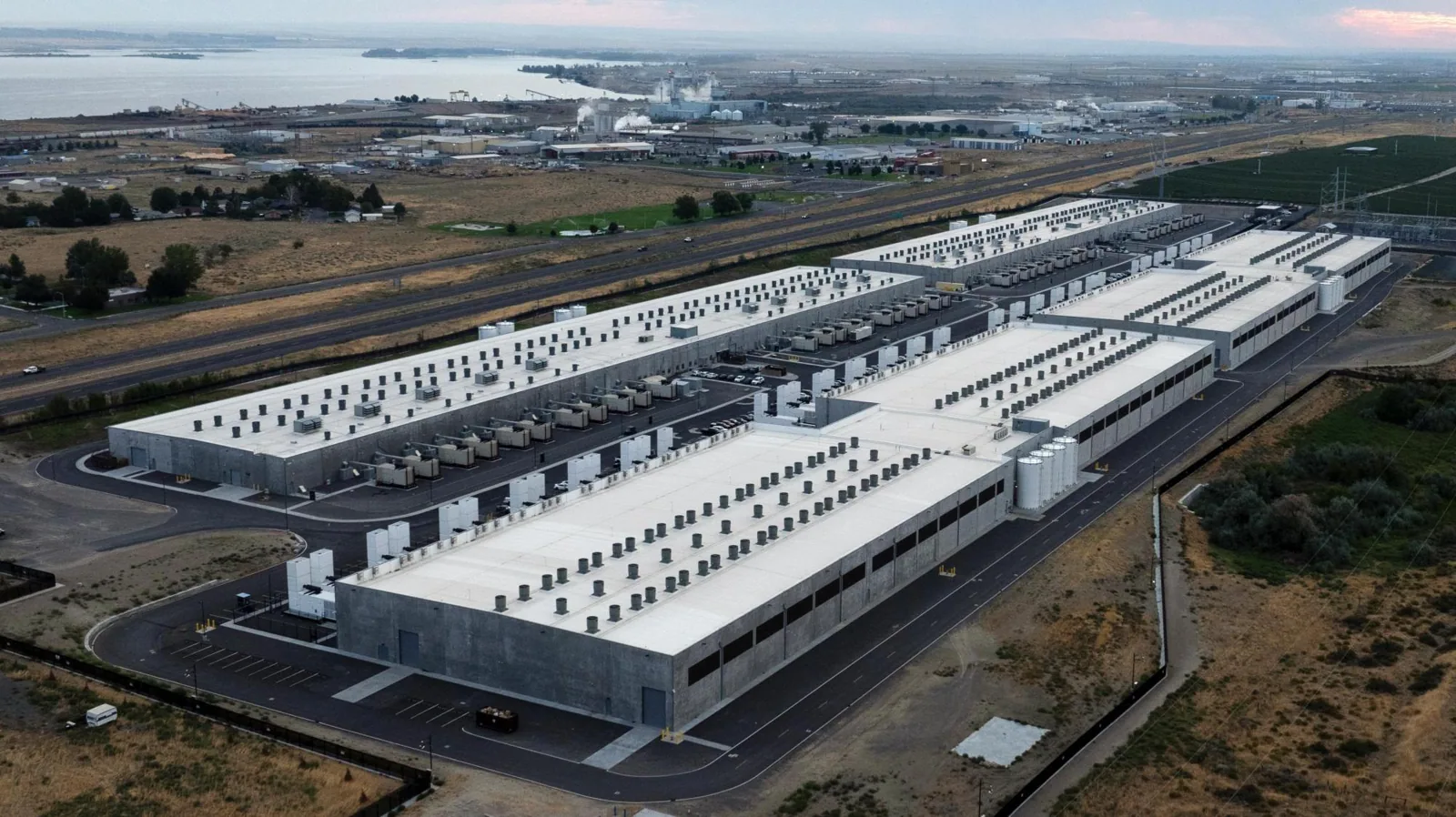
A warehouse roof has to protect inventory while forklifts, trucks, and people keep moving below. In Allen, heat, humidity, and spring storms put pressure on seams, drains, roof edges, and loading-area transitions. We inspect the roof assembly and connect each finding to the facility's operating schedule. An office-and-industrial mix at 121 Tech Park and the commercial buildings around Watters Creek illustrates why roof access and tenant activity differ by property. For warehouse roofing in Allen, we can plan a repair, replacement, or maintenance scope around receiving hours and inventory needs.
Protect active receiving and storage
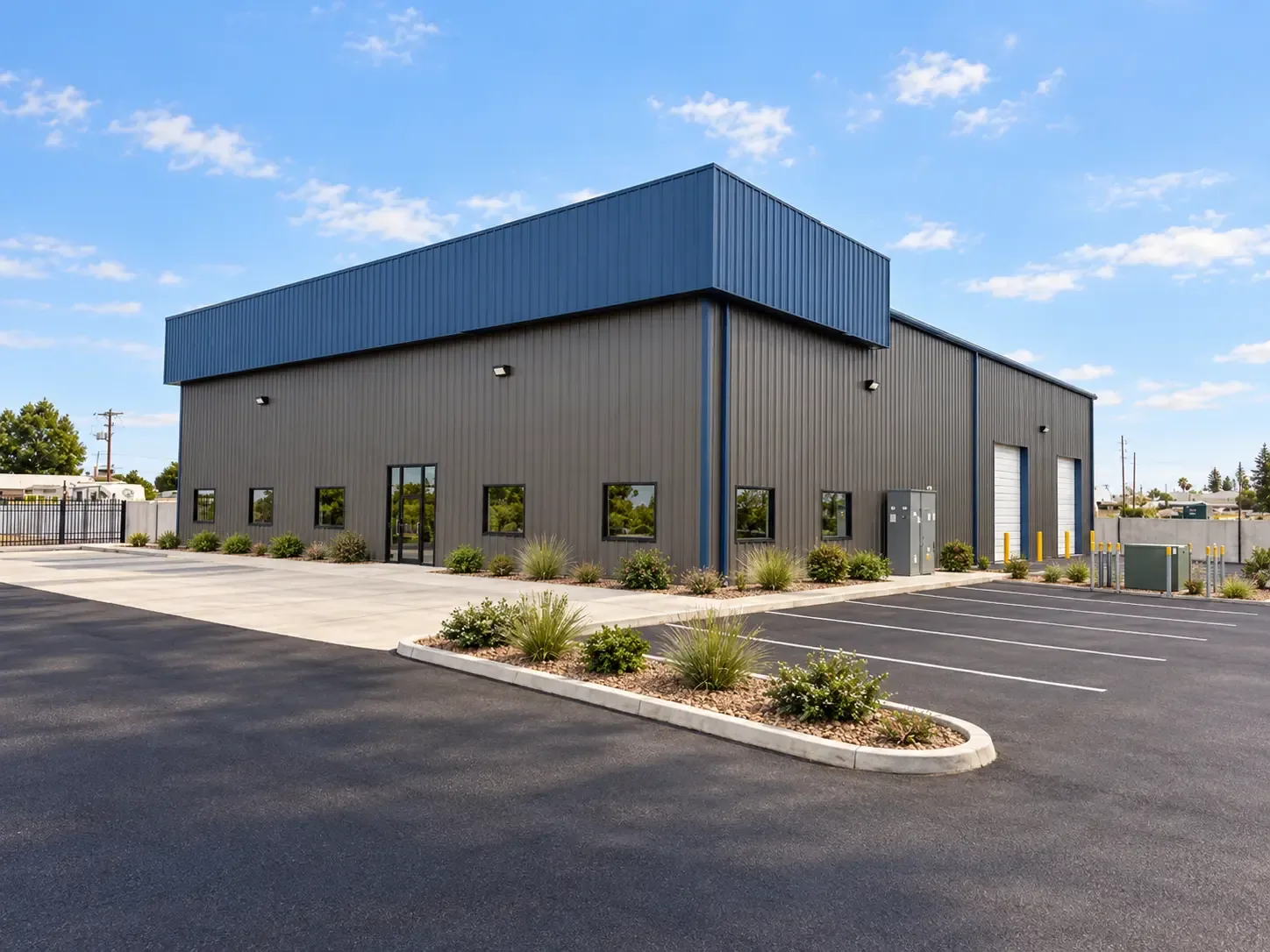
Roof work above a loading dock can affect deliveries, vehicle routes, fire lanes, and stored goods. We identify overhead doors, shipping windows, high-value inventory, and areas that cannot be exposed to dust or water. The site plan sets material staging, lift locations, pedestrian paths, and temporary barriers. The facility contact also identifies roof access restrictions and who can authorize interior entry if a leak appears during the work.
For an occupied warehouse, phasing should leave each work area dry at the end of the shift. Tear-off moves in controlled sections, and temporary tie-ins protect the remaining roof when weather changes. If operations run multiple shifts, noise and access limits may shape the order. A phased reroof plan can coordinate roof openings with the building's logistics schedule. Facilities with cross-dock traffic may need a sequence closer to distribution center roofing, while a smaller multi-tenant building can call for the access plan used in flex industrial roofing. If water is active at an inventory area, temporary protection can limit additional exposure while permanent repairs are prepared.
Map roof areas, seams, and drains
Warehouse roofs often include long membrane runs, expansion joints, rooftop units, skylights, exhausts, and broad drainage paths. We map the roof by section and inspect seams, fasteners, penetrations, drains, scuppers, perimeter metal, and areas around equipment. A leak near a dock may originate far from the visible ceiling stain. We compare interior reports with roof slope and water paths before selecting a repair location.
Hidden moisture can travel in insulation or along deck flutes. We note soft areas, ponding, repeated repairs, and any change in deck condition. A warehouse roof inspection provides a baseline for repair planning; where wet insulation is suspected, testing can help target openings. The result should distinguish confirmed wet material from an area that only needs monitoring. That boundary affects how much of the roof should be opened and whether insulation, deck, or membrane work is required.
Match the system to inventory and equipment
Warehouse facilities may have a thermoplastic or rubber membrane, a multi-ply asphaltic assembly, or exposed metal panels. Additions can use a different system from the original structure. We identify the system before selecting repair materials. Roof traffic around HVAC units and vents can wear a membrane; forklift impacts do not reach the roof, but loading equipment, pipe supports, and maintenance work can puncture or displace flashing. The roof design should also account for future unit changes and service routes.
For a low-slope membrane, attachment, insulation, cover board, and perimeter details work as one assembly. A TPO roof system may suit a new installation when the deck, exposure, and project requirements align. If insulation is wet or compressed, the repair plan should define removal and replacement limits. If metal roofing is present, inspect clips, panel seams, and eaves rather than applying a membrane patch that does not fit the assembly.
Prepare for Allen heat and storm exposure
Hot summers age exposed membranes and sealants, while high humidity and convective rain can stress flashing and drainage. Spring severe storms in the Dallas-Fort Worth region may bring hail and damaging winds. A warehouse roof's large field area can make a small opening difficult to spot, so inspections check both the reported leak and nearby transitions. We record impact, displaced edges, blocked outlets, and any interior water signs after an event.
Keep drains clear so water can leave the roof and not back up near storage or loading areas. At docks, wall transitions and gutters need attention because runoff can affect doors and exterior staging. A drainage inspection can address outlets, and a storm repair assessment can document membrane and perimeter conditions. If the roof is reflective or coated, inspect its underlying assembly as well; surface temperature or color alone does not establish insulation performance.
Prioritize work by water and business risk
Repair urgency depends on whether water is active, what lies below the defect, and whether a temporary measure can protect inventory. We document each repair area, materials, and access requirements. A roof leak over a shipping lane may need quick containment; a dry split over a noncritical storage zone may allow planned work. The facility team helps prioritize areas based on operations, inventory sensitivity, and the cost of moving stored goods.
When damage is widespread, repeated patches may not be the best long-term scope. Wet insulation, corrosion, poor attachment, or failing edge conditions can point to replacement. We compare tear-off and new assembly work with continued repairs, identify sections that remain serviceable, and determine whether installation can be phased while the warehouse stays open. Scope boundaries should be clear so the owner can compare bids without confusing membrane repair, insulation replacement, and equipment work.
Keep the roof in the facility schedule
Warehouse maintenance should include drains, seams, flashings, metal panels, equipment supports, skylights, and walking paths. Rooftop mechanical contractors should use designated routes and report any puncture or displaced flashing after a service call. The facility team should keep roof plans, equipment layouts, repair photos, and leak reports together so future inspections can find recurring areas quickly.
Allen properties near Watters Creek and 121 Tech Park have different roof access and uses, so each location needs its own maintenance record. A maintenance program can schedule checks after storm season and equipment work. A roof condition report can map remaining repairs, wet areas, and next inspection dates across a portfolio. That record helps operations staff budget roof work alongside racking, dock, and equipment projects without losing track of conditions overhead.
Before a major repair, confirm whether stored materials, rack heights, or suspended utilities limit interior access. A roof opening above high-bay storage may require a specific aisle closure and protection below, even when the exterior work area is small. Facility drawings can clarify which zones share drainage paths and which rooftop units serve separate tenants. We mark those constraints in the work sequence so a localized repair does not create an avoidable interruption elsewhere in the building. This coordination also gives security and safety staff a clear picture of contractor movement during each shift and work zone.
Commercial Roofing Questions
Can warehouse operations continue during roof repairs?
Often, with phased work, clear loading routes, dry-in steps, and coordination around inventory and deliveries. The roof layout and facility schedule determine the sequence.
How do you protect inventory below a leak?
We assess the active water path and coordinate temporary protection with the facility team. Interior containment and permanent roof repair are recorded separately.
Do you repair metal warehouse roofs?
Yes. We inspect panel profile, clips, fasteners, seams, flashings, and corrosion, then choose a repair compatible with the existing metal assembly.
How do you find moisture over a large roof?
We map visible conditions and use targeted testing where useful. Suspect areas may need openings to confirm the insulation and deck condition.
When should a warehouse roof be replaced?
Widespread moisture, recurring leaks, failing attachment, or deteriorated deck can make replacement more practical than repeated localized repairs.