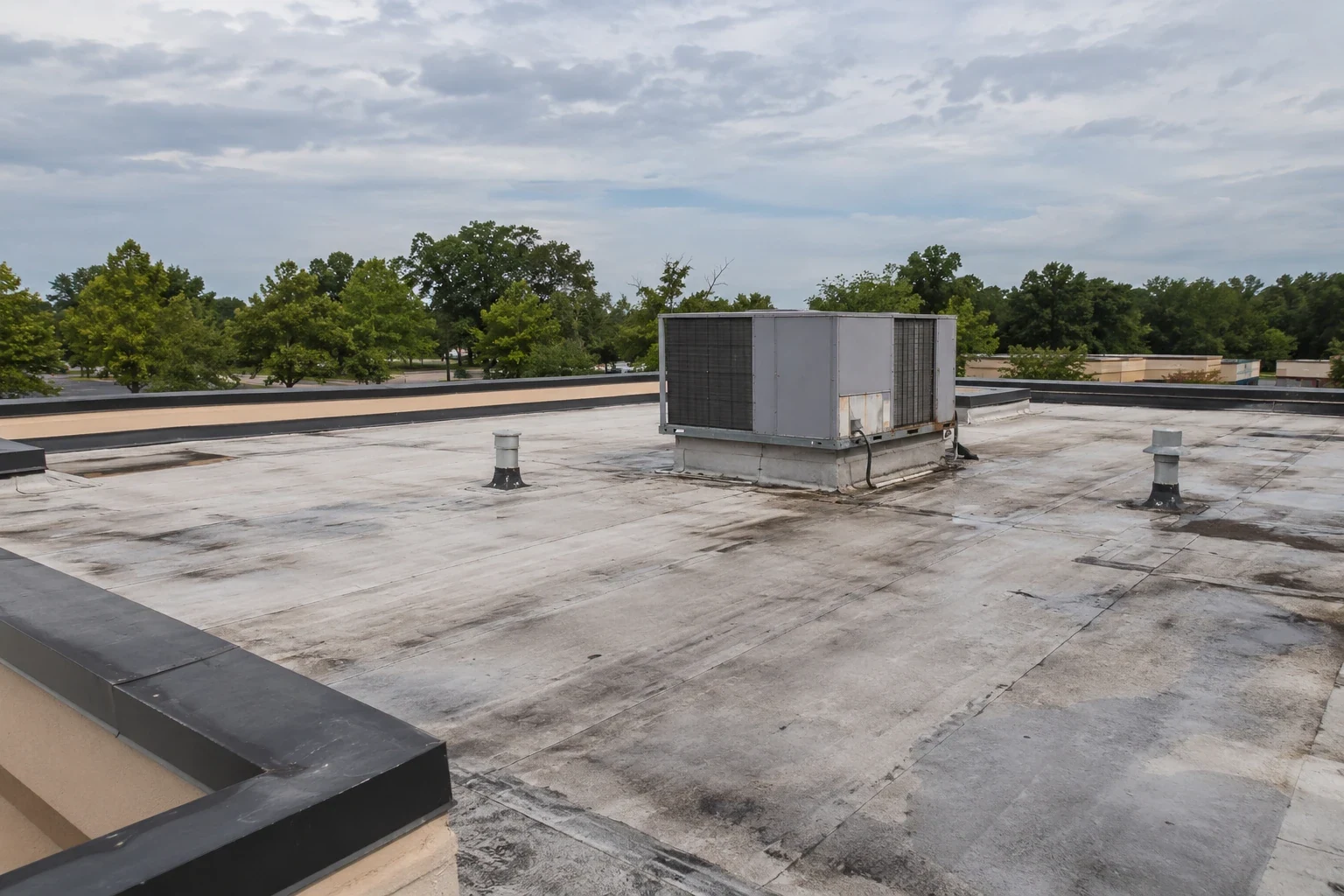
Distribution Center Roofing in Allen, TX
Dock schedules turn a roof opening into an operations decision. A distribution building has truck courts, staging lanes, high-bay storage, and shifts that may leave little downtime. Allen's mix of industrial and technology space near US 75 and SH 121 gives facility teams varied access conditions; spring storms across the Dallas-Fort Worth region add hail and wind exposure to the roof plan. We assess the assembly, water path, and work area, then map the sequence for distribution center roofing in Allen around receiving and dispatch.
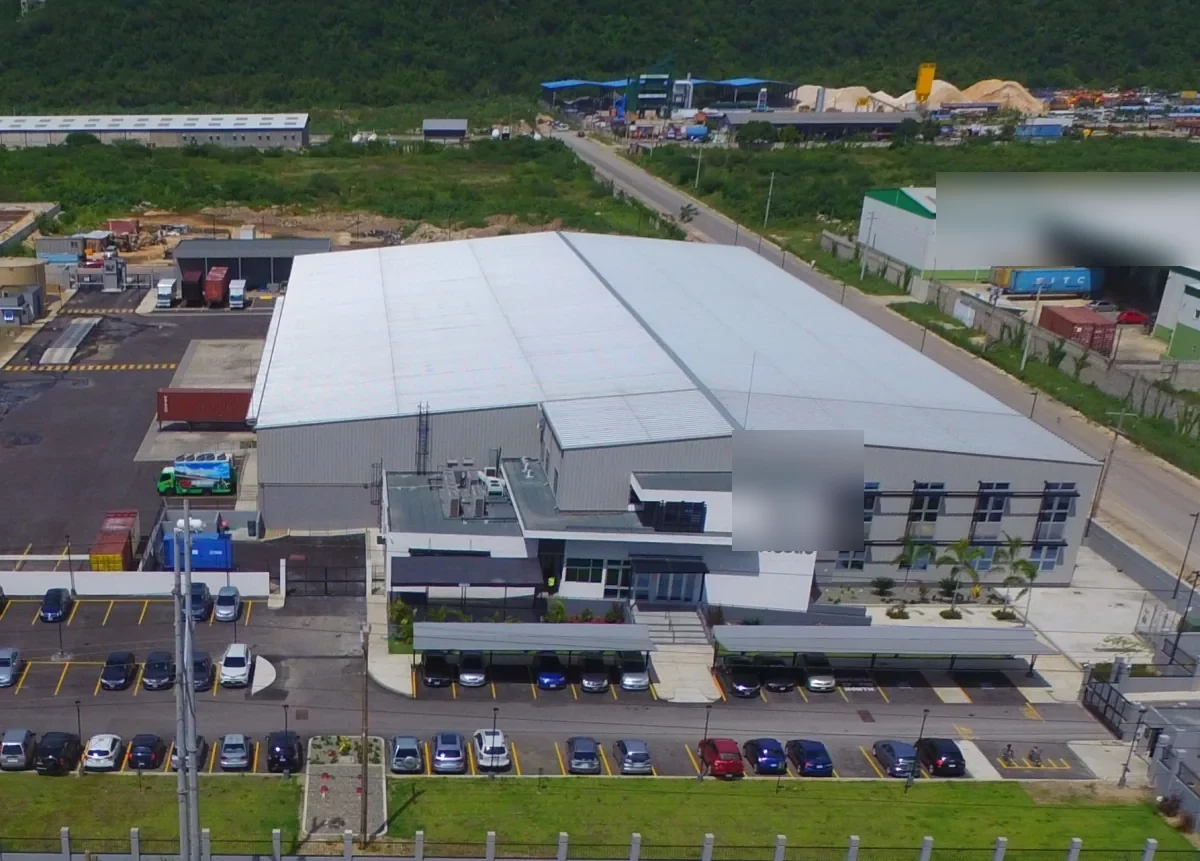
Keep dock flow in the roof plan
A crew staging near a loading bay can conflict with trailer circulation even before work reaches the membrane. We identify gate rules, truck routes, door assignments, pedestrian paths, and the hours when a section must stay clear. Roof access may sit far from the active dock, but cranes, lifts, and material delivery still need a route that avoids reversing traffic or blocking emergency lanes. The facility contact should identify who can authorize a short closure and how dispatch receives schedule changes.
Large distribution buildings often divide operations by tenant, temperature zone, or customer account. The sequence should mark which interior aisles sit below each work area and which goods need special protection. With an occupied-building reroof sequence, crews close and dry each roof section before moving forward. We coordinate noisy tear-off, interior access, and temporary tie-ins against the distribution calendar instead of treating all roof area as available at once.
Trace water beyond the dock stain
A ceiling leak over a receiving lane is a location report, not yet a roof diagnosis. Water can enter at an up-slope seam, follow a deck flute, travel beside a conduit, and appear far from the exterior opening. We compare the interior stain with drains, penetrations, wall transitions, and previous patches. A marked roof plan helps separate the reported symptom from the likely source and gives maintenance staff a way to log new observations without shifting the repair target.
Inspection covers membrane seams, fasteners, curbs, skylights, drains, scuppers, edge metal, and any change in the deck. Where insulation may hold water, a targeted commercial roof inspection can define test areas and any confirmation openings. We label observed damage separately from areas that need monitoring. The owner can then compare a localized repair with broader replacement using the same roof map rather than an undifferentiated square-foot allowance.
Match repair materials to the assembly
Distribution properties use several roof assemblies, from single-ply membranes to modified bitumen or metal. A repair product must bond to the installed material and its surface condition. Heat, dirt, old coating, and prior patch layers can change preparation requirements. We identify the membrane or panel type at each roof zone before specifying work; a building can have additions and dock canopies with different details even when they appear to be one roof from the loading yard.
For a thermoplastic membrane, seam condition and attachment matter as much as the field sheet. A TPO assembly may be appropriate for some projects, but the existing deck, insulation, edge conditions, and local code review inform the selection. If a site also has multiple tenant bays, the scope can be divided like warehouse roofing while keeping fire separations and access limits in view. Compatibility checks reduce the chance that a surface patch becomes a new maintenance problem.
Plan around North Texas storm exposure
Spring is the main severe-thunderstorm season in the Dallas-Fort Worth region. Hail can mark exposed metal and rooftop equipment, while wind may lift loose edge metal or damage flashing. The regional pattern does not prove an individual facility was struck. After a storm, we document what is visible at this property, photograph the conditions, and separate fresh impact from older wear. That record matters when roof repairs share a capital queue with dock, paving, and racking work.
Dallas-Fort Worth summer heat regularly reaches or exceeds 100°F in July and August, and humidity remains high. Those conditions can age exposed sealants and membranes while afternoon rain tests drainage paths. A maintenance visit checks outlets, scuppers, crickets, and low points before ponding obscures a defect. Where dispatch depends on a dry interior, prompt temporary protection may be warranted while permanent materials and safe work windows are arranged.
Choose repair, recover, or replacement by evidence
A distribution roof with several active leaks can still have isolated, repairable defects. The decision changes when wet insulation spreads across a section, fasteners withdraw, deck corrosion appears, or edge details fail in multiple locations. We record the condition by roof zone, explain which areas are confirmed and which remain uncertain, and price scopes with clear boundaries. The facility can stage one section first when conditions and operations support that approach.
Recovery may preserve a sound existing assembly if code, moisture, attachment, and edge height allow it. Tear-off exposes concealed material but brings more disruption and debris handling. Our comparison sets out those tradeoffs, including the likely interior protection, crane setup, staging area, and sequencing. A condition report helps align immediate repair with a longer replacement plan, while scheduled roof maintenance tracks drains and repairs between major projects. Where the property combines warehouse bays with light assembly or offices, our flex industrial roof planning separates shared conditions from tenant-specific access needs.
Insurance documentation should record the date of discovery, interior effects, temporary protection, and the roof conditions visible at inspection. A photo log tied to roof zones gives the facility and adjuster a common reference without asserting a cause before the assembly is opened. We can note whether a seam, curb, drain, or edge condition needs a closer look, then identify the materials and access needed for that step. Clear records help prevent a short-term patch from being mistaken for a complete repair scope.
Cost and duration depend on what is found beneath the surface, how much material must be removed, whether the deck needs repair, and how work can be staged around freight flow. Material selection also depends on compatibility with the existing assembly and project requirements. The proposal should define work limits, tie-in points, debris handling, and temporary weather protection so operations can evaluate the disruption along with the roofing scope. That makes the schedule review concrete for dispatch managers before work begins.
Commercial Roofing Questions
How do you keep trailer routes open during roof work?
We map the crew and delivery paths with site operations, then schedule staging and lift use to avoid assigned truck movements. Any short closure is tied to a specific work area and communicated before the shift.
Can you repair a leak above active inventory?
We first identify the likely entry point and protect the interior below. A repair plan accounts for the goods, aisle access, and whether the roof can be opened and dried in during the available window.
What should a post-hail inspection document?
It should identify observed impacts, roof zones, affected details, interior reports, and conditions that require closer review. A regional storm report alone does not establish damage to a specific property.
When does a distribution roof need replacement instead of repair?
Widespread wet insulation, failing attachment, deteriorated deck, or repeated defects across separate zones can make replacement the clearer scope. We compare those findings with the condition of the remaining assembly.
Can work be phased by tenant or dock zone?
Yes. Roof sections can be sequenced to match access permissions and operational boundaries, provided temporary tie-ins and drainage remain sound as the work moves.