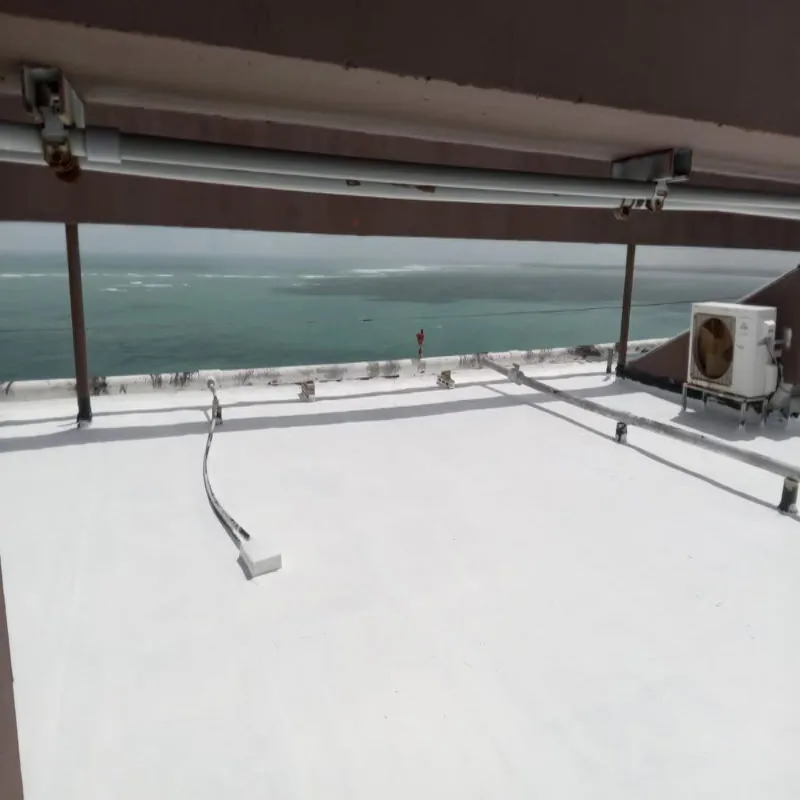
Commercial PVC Roofing in Allen, TX
Commercial PVC roofing uses a thermoplastic membrane with heat-welded seams, making weld quality and detail work central to roof performance. In Allen, the assembly also has to account for summer heat, rooftop equipment, and spring storms that can test perimeters and penetrations. We identify the existing substrate and exposure before recommending a PVC system. Kitchen exhaust, manufacturing processes, or cooling equipment may create chemical contact that needs specific product review. Offices around Watters Creek and industrial or technology properties at 121 Tech Park can have distinct roof uses. For PVC roofing in Allen, we can inspect an existing membrane or plan a new assembly around the building's conditions.
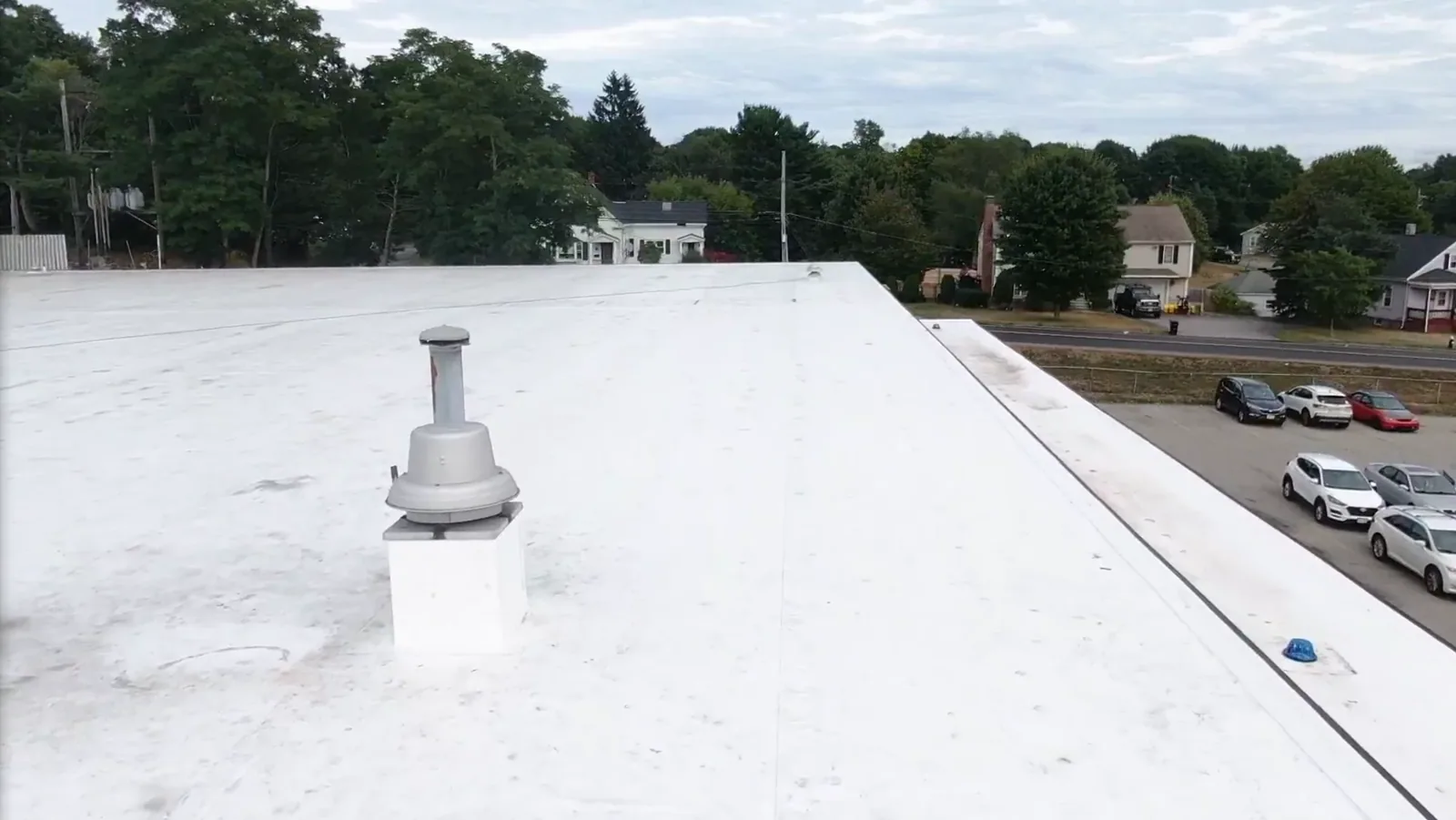
Match the membrane to roof exposure
PVC formulations differ by reinforcement, thickness, surface treatment, and intended application. Some systems are selected where grease or certain chemicals are present, but compatibility depends on the exact substance, concentration, temperature, and exposure time. We ask what reaches the roof and review the selected manufacturer's data before specifying a membrane. A kitchen exhaust discharge, process vent, or refrigerant service area should not be treated as a generic roof surface.
Allen's commercial mix includes office and industrial properties, so the roof plan should record exhausts, equipment drains, chemical vents, and service routes. If the exposure is unknown, a material review or sample test may be needed before installation. A manufacturing roof evaluation can account for process areas, and the assembly detail should account for how equipment meets the membrane. The selected system data controls the recommendation because PVC products are not interchangeable.
Plan a complete roof system
The exposed PVC sheet is only the top of the assembly. Deck, air or vapor control, insulation, cover board, membrane attachment, edge metal, and flashing all affect the result. We inspect existing layers before proposing a recover, because trapped moisture and weak attachment can undermine a new membrane. If removal is needed, the scope identifies where wet or unsound materials will be taken out and how the deck will be checked before new insulation is placed.
Mechanically attached and adhered systems use different methods, and each requires an assembly compatible with the deck and project design. The fastener pattern or adhesive coverage must follow the selected system requirements. Insulation joints, cover-board placement, and seam layout are coordinated to avoid poorly supported details. For Allen's wind exposure, the perimeter and corner zones receive close design attention. Compare a TPO membrane or EPDM system where their material properties fit the use. A complete roof replacement can rebuild the assembly where existing layers cannot support a recover.
Test and inspect heat-welded seams
PVC seams are joined with hot air, and the welding process depends on membrane temperature, machine settings, speed, pressure, and surface cleanliness. Installers make test welds when conditions change and inspect finished seams after they cool. A probe can locate an open edge, but it does not replace correct setup or a continuous weld. Corners, T-joints, end laps, and flashing intersections receive extra attention because they combine several layers and directions. Photos should preserve the existing condition before surface cleaning or seam preparation begins.
Repair requires a compatible membrane and a prepared surface. Contamination, aging, previous patches, or coatings can affect whether new material bonds. We check the roof system and repair history before cutting or welding. A roof inspection can map seams and details, while a membrane repair addresses a verified opening. If chemical exposure is suspected, that area should be identified before choosing repair material so the repair remains compatible with the actual conditions.
Connect drains, walls, and equipment
Waterproofing depends on the transitions, not just the field sheet. At a drain, the membrane must be properly cut, clamped, and integrated with the bowl. At a parapet, flashing rises and terminates beneath a secure coping or counterflashing. Curbs, pipes, and conduit receive formed or prefabricated details suited to the opening and system. Movement at a curb or loose metal edge can stress the membrane where it turns up or terminates.
Drainage should be checked before the project so a new sheet does not preserve a low area or hide a blocked outlet. Equipment service can disturb flashing, and condensate should not discharge where it repeatedly wets the membrane. A drain and scupper review can identify outlet conditions. On offices near Watters Creek and industrial properties at 121 Tech Park, planning roof access around tenants and equipment helps protect the completed details.
Sequence removal and installation
Before PVC installation, the substrate must be clean, dry, and ready for the specified attachment. We remove unsound materials, repair the deck where included, install insulation and cover board, then position and secure the membrane. The crew completes seams and flashings as each work area advances. Tear-off is staged so exposed roof can be protected at the end of the shift. Forecast rain, wind, humidity, and temperature affect what can be opened and how welding or adhesive work is scheduled.
Cost and duration depend on tear-off volume, wet insulation, deck repairs, access, roof height, equipment density, and perimeter detail. If hidden conditions appear after removal, we document the area and present the added scope before moving forward. Allen's hot summer conditions also shape work hours and crew safety. On an occupied property, we coordinate interior protection, mechanical shutdowns, tenant notices, and roof access so work can proceed without leaving an open assembly or blocking critical service routes. Deliveries and crane access can affect sequence when a building's loading area must stay open. We identify those constraints during planning so material staging does not interfere with daily operations.
Maintain the PVC surface over time
Maintenance checks the membrane for punctures, open seams, damaged flashing, loose edge details, clogged drains, and marks left by rooftop trades. Cleaning should follow the selected product's guidance. Grease or chemical residue should be addressed promptly, but cleaning agents must not damage the membrane. The facility team should report changes in exhaust discharge or process use because a new exposure may require a material review.
Allen's hot weather and spring storm activity make post-storm checks useful, especially around rooftop units, edges, and penetrations. Scheduled inspections can track roof conditions and repairs over time. A condition report can capture photos and identify concealed or inaccessible areas. If the roof is exposed to recurring grease or chemicals, keep product compatibility documents with the building records and use them before approving future patches or equipment changes. Before rooftop trades begin, identify authorized walk paths and protect the membrane from tools or discarded fasteners.
Commercial Roofing Questions
How are PVC roof seams joined?
Installers use hot air to weld overlapping membrane sheets, then check the cooled seam. Clean surfaces and suitable machine settings are essential.
Is PVC suitable for a roof with grease exhaust?
Some PVC membranes are designed for particular chemical exposures, but compatibility depends on the exact product and substance. We review the manufacturer's data before specifying a system.
Can you patch an older PVC roof?
Often, after identifying the membrane and checking its surface condition. Aging, contamination, and prior coatings can change the repair method.
Can new PVC go over an existing roof?
A recover may work when existing layers are dry, stable, and suitable for attachment. We inspect moisture, height, drainage, and perimeter details first.
How do you protect an occupied building during tear-off?
We stage removal by roof area, maintain a daily dry-in plan, and coordinate interior protection and access with the facility contact.