Manufacturing Plant Roofing in Allen, TX
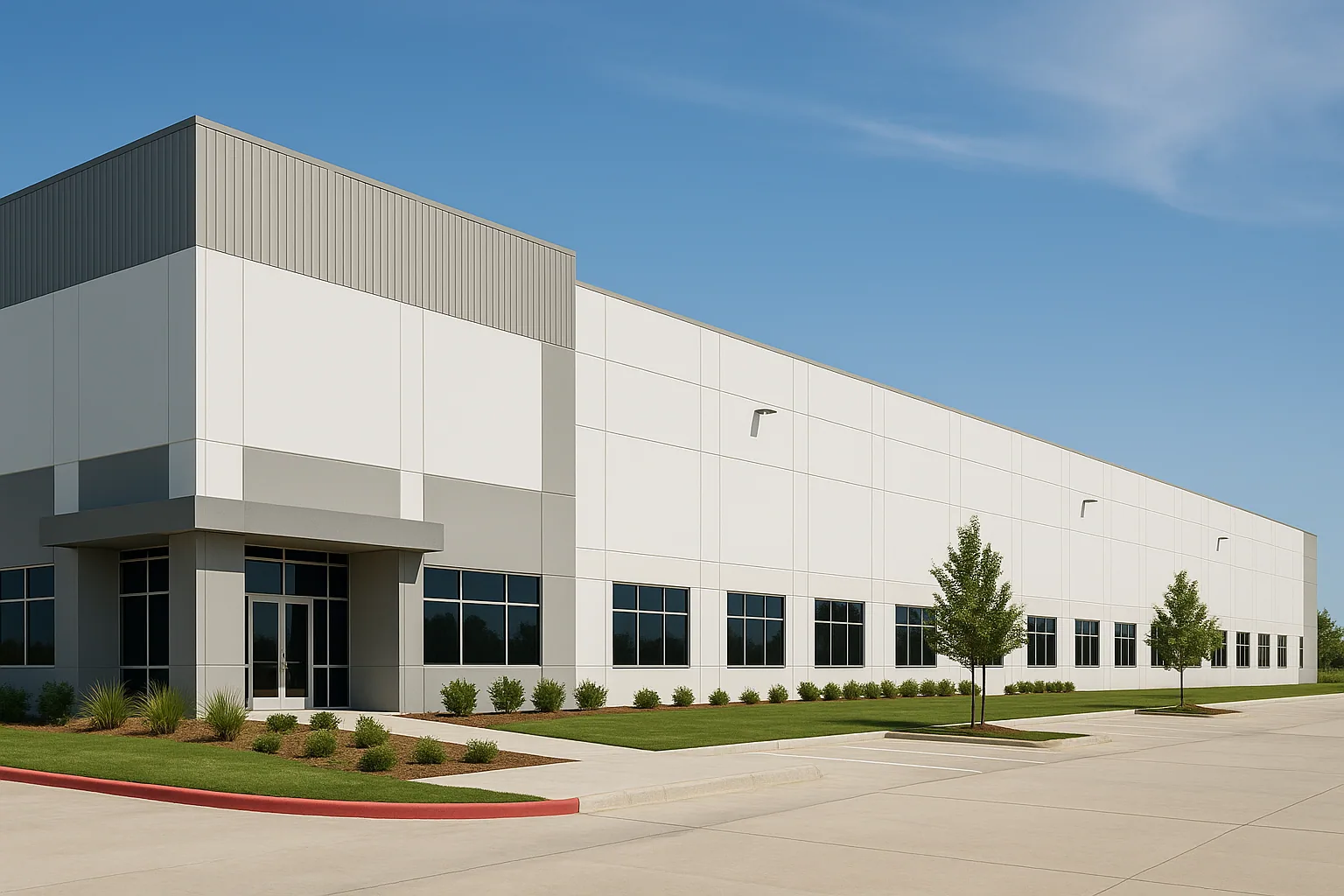
A roof leak above a production line can stop more than the work beneath the opening. In Allen, the 121 Tech Park combines industrial, office, and technology uses, while local employers span electronics, telecom, information technology, and professional services. Each plant has its own process hazards, rooftop equipment, and access controls. We map the roof system and the affected operation first, then set a practical scope for manufacturing roof work in Allen without assuming that every industrial building uses the same assembly.
Protect the process before opening the roof
Production leaders identify sensitive equipment, clean work zones, overhead utilities, and shifts that cannot tolerate noise, dust, or vibration. Those constraints affect where tear-off begins, where materials can be staged, and whether an interior protection platform is needed. We coordinate with the person who controls line shutdowns and building access before assigning roof zones. A weather window should cover removal, dry-in, and a secure end-of-shift condition, not just the first hours of membrane work.
Some plants run continuously; others pause for a planned maintenance outage. A shutdown can make equipment access easier, but it does not remove the need to protect inventory, electrical systems, or operating areas elsewhere. We can sequence work by bay or roof section through occupied-building reroofing when plant operations remain active. The work plan identifies temporary closures and who receives updates if conditions change during the shift.
Connect the roof defect to the process area
Water can move along steel deck flutes, purlins, conduit supports, or insulation before it appears above a machine. The location of a drip therefore does not define the repair boundary. We compare interior reports with roof penetrations, seams, drains, equipment curbs, and previous repairs. A roof map that labels each production bay allows the facility team to connect a leak to affected controls, stored inputs, or finished goods and prioritize the inspection accordingly.
We check membrane condition, fasteners, metal panel seams, flashing, penetrations, edge details, drainage, and visible deck changes. If moisture may be trapped under a membrane, a roof inspection can establish the next test area before a larger opening is made. Findings distinguish active water entry from older staining and note what was directly observed. That helps plant maintenance plan isolation and cleanup without turning uncertainty into a claim about the entire roof.
During the walkthrough, we note roof access points, guardrails, hatch condition, and the path from the hatch to each work zone. If access crosses production areas, the facility can identify required escort or lockout steps before a crew arrives. We also ask where temporary protection can be staged without blocking machine service or fire routes. Those logistics belong in the scope because they affect labor, work hours, and the point at which an area can return to normal use.
A roof plan should distinguish one-time repair locations from recurring trouble spots. The second condition may indicate a failed detail, a drainage pattern, or a sequence of equipment changes that needs a broader correction. We compare photos and work records with current field observations, then identify whether the next step is a patch, a test opening, or a replacement section. The plant team gets a clear record of what was accessed and what remained concealed.
Account for rooftop equipment changes
Manufacturing buildings often add exhaust, make-up air, process ventilation, piping, and electrical supports as production needs change. Each curb or pipe penetration interrupts the roof field and needs compatible flashing. Abandoned equipment can leave an opening or a curb that no longer serves a purpose, while a new unit may require structural review before installation. The roof scope should coordinate with mechanical and electrical trades so penetrations are not cut before the final locations are approved.
When maintenance crews cross the roof to reach equipment, designated walk paths help limit punctures and displaced details. We inspect the area around supports and service clearances, then record defects by location. Roof traffic may be heavier at plants in the mixed-use industrial and technology district near SH 121 and US 75, but the assembly still needs a site-specific inspection. For membrane systems, a TPO roof assembly has different seam and flashing requirements from a metal roof. We confirm what is installed before specifying repair materials. A property with adjacent fabrication, storage, or office bays can also benefit from the access planning used for flex industrial facilities, while retaining separate assembly records for each wing.
Manage heat, hail, and drainage conditions
Warm, humid DFW summers put exposed roof materials through prolonged heat; July and August highs often reach 100°F or more. Exposed membranes and sealants age under that cycle, while metal panels expand and contract. Drainage paths should move water toward functioning outlets without relying on a coating to correct low slope or blocked drains. We inspect around equipment where debris can collect and check whether repeated ponding aligns with deck deflection or a drain obstruction.
Spring brings the region's strongest severe-thunderstorm frequency. Hail and damaging wind are possible across the metroplex, but regional risk does not establish impact at a particular plant. After a storm, we photograph actual conditions, including membrane cuts, loose edge metal, displaced coping, and interior reports. A hail-damage review can separate visible impact from ordinary wear and identify where closer testing is justified.
Compare phased repair with full replacement
Repair is sensible when defects are localized and the remaining assembly is serviceable. Replacement becomes more plausible when wet insulation, failed attachment, corrosion, or repeated water entry extends across multiple bays. We divide findings into confirmed conditions, areas needing testing, and unaffected zones. That approach makes a phased repair possible when production cannot stop, while giving ownership a basis for comparing long-term capital work. We describe the boundary between each phase, the temporary tie-in, and what must be monitored before crews return, and for the next quarterly facility review meeting.
Recovery may reduce interior disruption if the existing roof is dry enough, firmly attached, and within height and code limits. A tear-off reveals concealed material but adds handling, protection, and schedule demands. Before pricing a plant reroof, confirm how Allen’s adopted 2021 IBC and IECC, including current amendments, apply to the proposed assembly and permit scope. We can coordinate the details with a warehouse roof scope for a campus with storage buildings and production space, and maintain drain records through scheduled maintenance.
Commercial Roofing Questions
Can roof replacement happen while a plant is running?
Often the work can be divided by roof zone, with temporary tie-ins and interior protections coordinated around production. The facility schedule, weather window, equipment access, and material handling determine the sequence.
How do you protect machinery below a leak?
We identify the water path and affected process area with plant staff, then plan containment and roof access. Interior protection and permanent roof repair are recorded as separate work items.
Do rooftop exhaust changes affect the roof warranty?
They can affect the roof assembly and any applicable system requirements. We inspect the curb and flashing, coordinate final equipment placement, and document how the roof is restored.
What belongs in a storm inspection record?
Record roof zones, visible impacts, loose or displaced details, interior reports, and photos. The record should separate observed damage from areas that need testing.
What drives the cost and schedule of plant roofing?
Material removal, deck condition, equipment density, required shutdown windows, staging access, and interior protection all matter. A defined roof map helps compare scopes without obscuring those constraints.