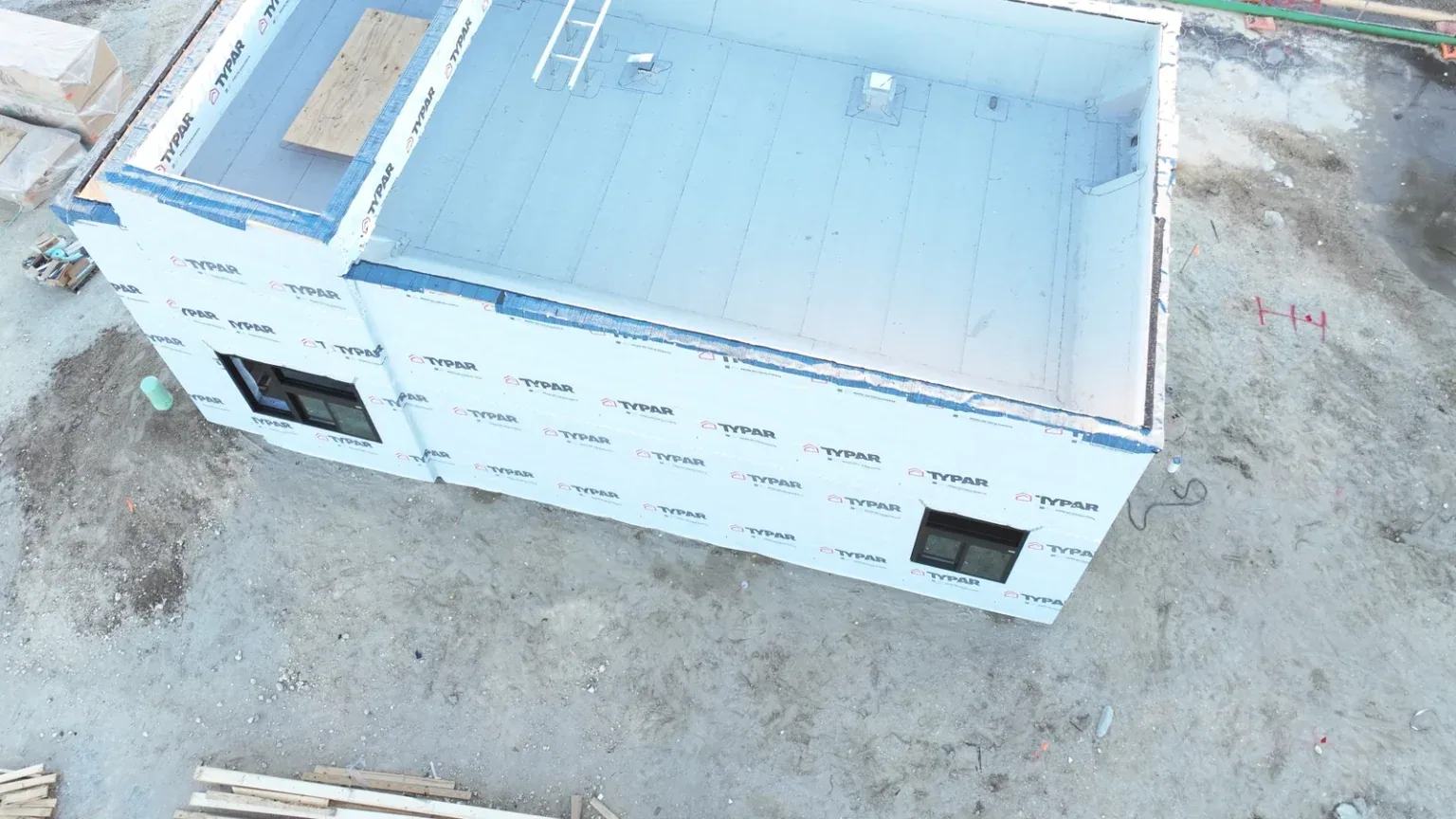
Commercial EPDM Roofing in Allen, TX
EPDM is a flexible rubber membrane used on commercial low-slope roofs, with seams and flashing details made through compatible tapes, primers, and adhesives. In Allen, the assembly faces sustained summer heat, humidity, rooftop equipment, and spring storm exposure. We evaluate the membrane, insulation, attachment, and drainage before recommending repair or replacement. Black EPDM absorbs more solar energy than a reflective surface, so owners should consider roof temperature and insulation in the full building context. Watters Creek's office buildings and 121 Tech Park's industrial properties call for inspection planning that reflects their roof traffic. For commercial EPDM roofing in Allen, we can assess the existing system and outline practical next steps.
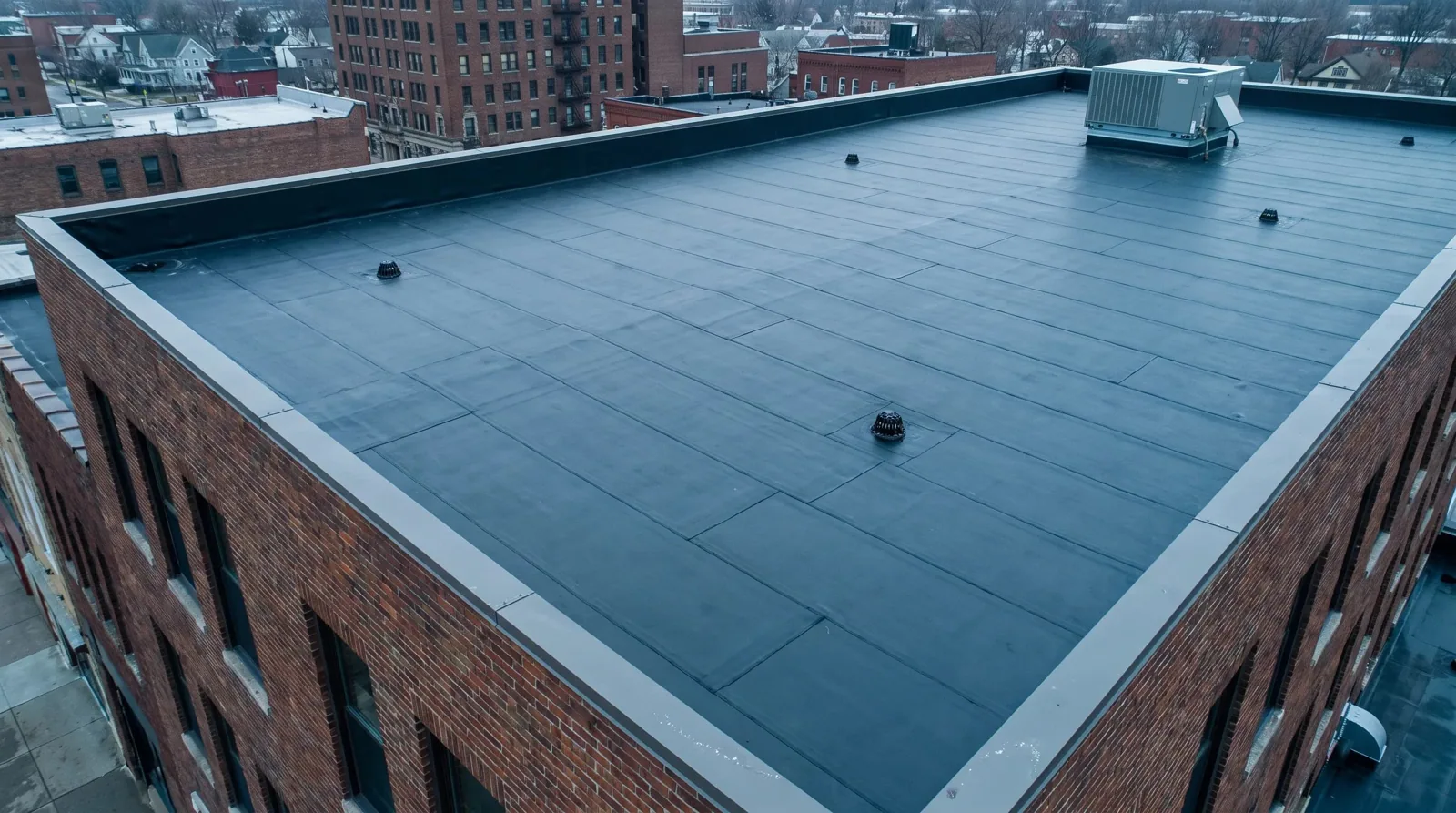
Understand the membrane and seam method
EPDM membrane can be installed in different thicknesses and attachment configurations. Sheets may be mechanically attached, adhered, or used in a system that incorporates ballast, subject to the deck and approved design. Seams rely on clean, prepared surfaces and the specified primer, tape, or adhesive. Factory-applied seam tape is available on some systems, but the component and procedure must match the membrane selected. EPDM seams are not heat-welded like thermoplastic membranes.
Before repair, we identify the membrane, age-related condition, existing coating, prior patches, and contamination. Dust, oxidation, moisture, or incompatible material can interfere with a new bond. We prepare the surface using the product instructions and inspect the finished seam. If the roof has widespread seam or flashing issues, a single patch may only postpone a broader decision. Compare the membrane with TPO roofing or PVC roofing when planning replacement, based on building use, exposure, and system requirements.
Check the layers under the sheet
The roof's performance depends on the deck, insulation, vapor control where required, attachment, and membrane working together. We inspect for wet or compressed insulation, soft areas, deck corrosion, loose fasteners, and evidence of movement. A new EPDM sheet cannot correct a failed substrate beneath it. Moisture testing may help locate suspect areas, with selective openings used when needed to confirm the condition. We identify removal limits before proposing an overlay or tear-off.
Attachment design changes how wind forces move through the assembly. Fasteners, adhesive, ballast, edges, and corners must suit the structure and exposure. Added insulation or a recover changes roof height and can affect drains, parapets, curbs, and door thresholds. A roof insulation assessment can address wet boards or a planned thermal upgrade. If the deck or insulation cannot support a new system, replacement may provide a more complete correction. A clear proposal should state how the membrane is attached, how seams and flashing are formed, which insulation remains, and what roof areas are excluded. Those points let the owner compare scopes and identify where future repairs could affect the assembly.
Plan for heat, rain, and storm debris
Allen's hot, humid summers expose roof surfaces to prolonged heat, while regional spring storms can bring hail, wind, and heavy rain. Black EPDM can reach higher surface temperatures in direct sun than a reflective membrane, though the building effect depends on insulation, air leakage, and HVAC operation. A coating may change surface color but must be compatible with the membrane and installed as a separate specified system. We discuss those options based on roof condition rather than treating coating as a default.
After a storm, check for punctures from debris, lifted flashings, separated tape seams, loose edge metal, and blocked drains. Wind-driven rain can enter a small opening and travel before it appears indoors. A storm roof assessment can document the affected membrane and perimeter; drainage service can address an outlet that is holding water. The weather record is context only. The physical roof inspection determines what is damaged and which areas need follow-up.
Flash the edges and rooftop openings
EPDM turns up at walls, curbs, pipes, and other penetrations. These details use compatible flashing sheets, primer, tapes, termination bars, and sealants selected for the membrane. We inspect inside and outside corners, pipe boots, equipment curbs, drains, and expansion joints. Loose termination bars or aged sealant can let water reach the roof assembly even when the field sheet is intact.
At roof edges, the membrane has to connect to secure metal and substrate. Parapets need properly finished wall flashing and coping; gutters and scuppers should carry water without backing up behind the membrane. We identify loose or damaged perimeter components and coordinate flashing with equipment access and support requirements. The owner should keep access routes visible and limit unplanned foot traffic across the membrane to protect both the sheet and completed details.
Prepare and install EPDM correctly
Installation starts with a clean, dry, stable substrate and materials suited to the ambient conditions. The crew removes unsound roof layers where included, repairs deck areas, installs insulation, and stages membrane sheets to allow layout and relaxation when the system requires it. Adhesive or primer is applied at specified coverage, and seams are formed with the designated tape or bonding method. The team checks lap alignment and flashing as work progresses.
Temperature, humidity, wind, and precipitation affect adhesive work and roof sequencing. We plan tear-off so the building can be made watertight at each day's stop. If wet insulation or unexpected deck damage is uncovered, the area is documented before additional removal. Cost and timing depend on tear-off volume, roof height, deck condition, penetration count, edge details, access, and the roof area that must remain protected during construction. For occupied offices or industrial buildings around Allen, we coordinate interior protection, equipment shutdowns, delivery paths, and roof access with the facility manager.
Keep EPDM details clean and accessible
Routine service checks the membrane for punctures, open seams, loose flashing, unbonded patches, surface contamination, and damage from equipment work. Roof drains and scuppers should be clear, and walk pads should protect frequent service paths. If grease, oil, or chemicals reach the membrane, identify the substance and consult the product requirements before cleaning. Pressure washing or an unapproved solvent can harm the roof surface or the bond at a repair.
Allen facilities benefit from documenting changes after storm season and mechanical work. A roof inspection can map conditions and revisit seams, penetrations, and drainage on a maintenance schedule. A condition report preserves photos and outstanding repairs for the property team. If the owner is considering a reflective surface, account for coating compatibility, insulation, and building operation before applying any material. Mark walk routes and frequent service points so later trades can avoid seam laps and patch areas. Keep the membrane identification and approved repair instructions available when equipment service is scheduled.
Commercial Roofing Questions
Are EPDM seams welded with hot air?
No. EPDM seams generally use a compatible primer, seam tape, or adhesive system. The exact method follows the selected membrane's installation requirements.
Can an EPDM roof be repaired?
Often. We identify the membrane and prepare the area before applying compatible patch or flashing materials. Contamination and prior coatings may affect the repair.
Is black EPDM too hot for Allen buildings?
Surface temperature is only one factor. Insulation, HVAC, occupancy, and roof design affect building performance, and reflective options require compatible materials.
Can you add a new roof over existing EPDM?
A recover may be suitable if the assembly is dry, stable, and compatible with the new system. Roof height, drainage, and edge details also need review.
How do you know whether EPDM seams are failing?
We inspect the laps, repair history, flashing, and nearby roof surface. Probing and targeted openings can help confirm an apparent separation or moisture condition.