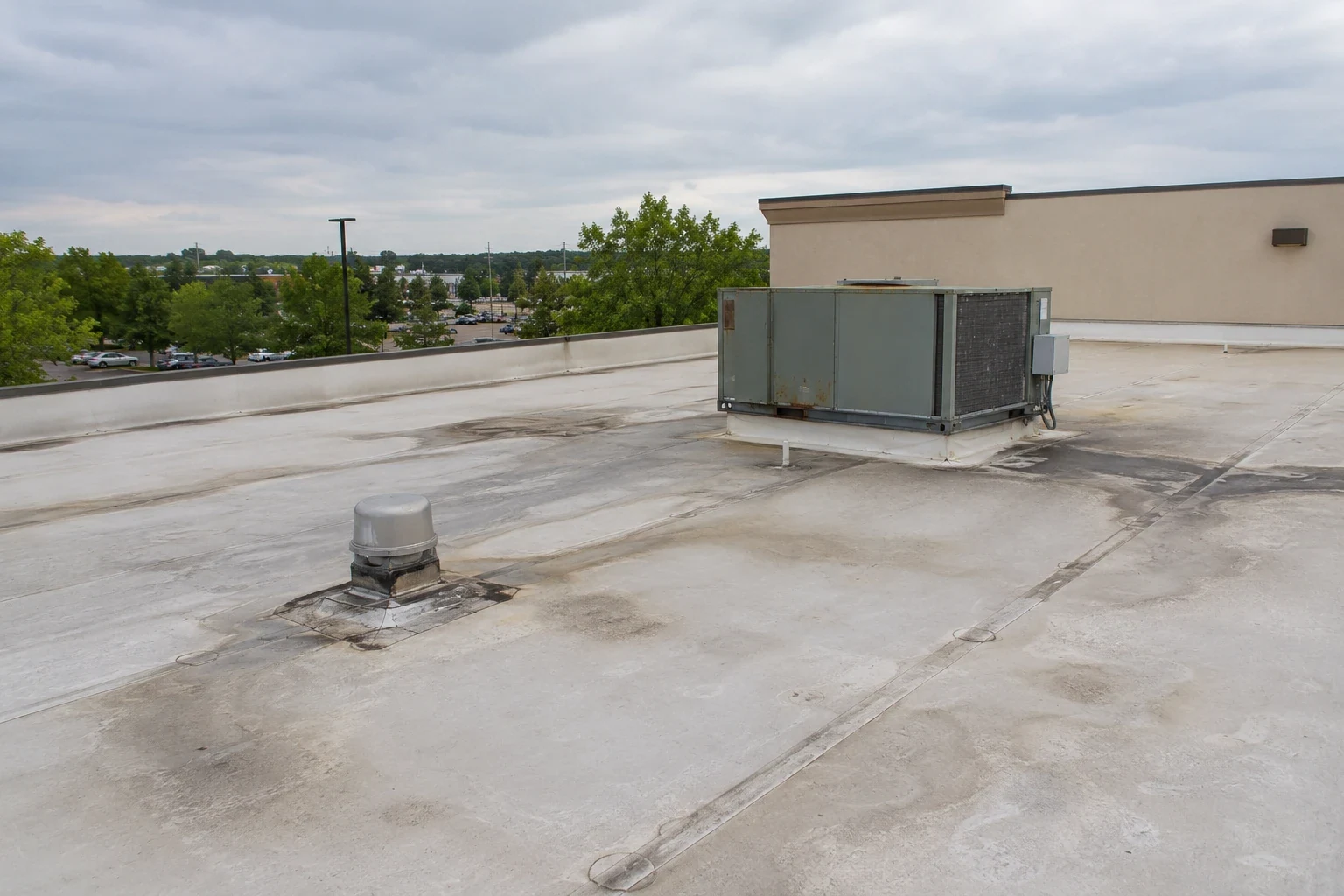
School Roofing in Allen, TX
A school roof project is scheduled around the people and programs underneath it. Classrooms, kitchens, gyms, offices, and activity spaces have different access and noise limits, and summer break does not eliminate maintenance or weather risk. Allen's commercial mix includes Watters Creek's office and meeting district and the flexible technology space near 121 Tech Park, reminders that roofs serve varied occupied uses across the city. We plan school roofing in Allen around the building schedule and the actual roof assembly.
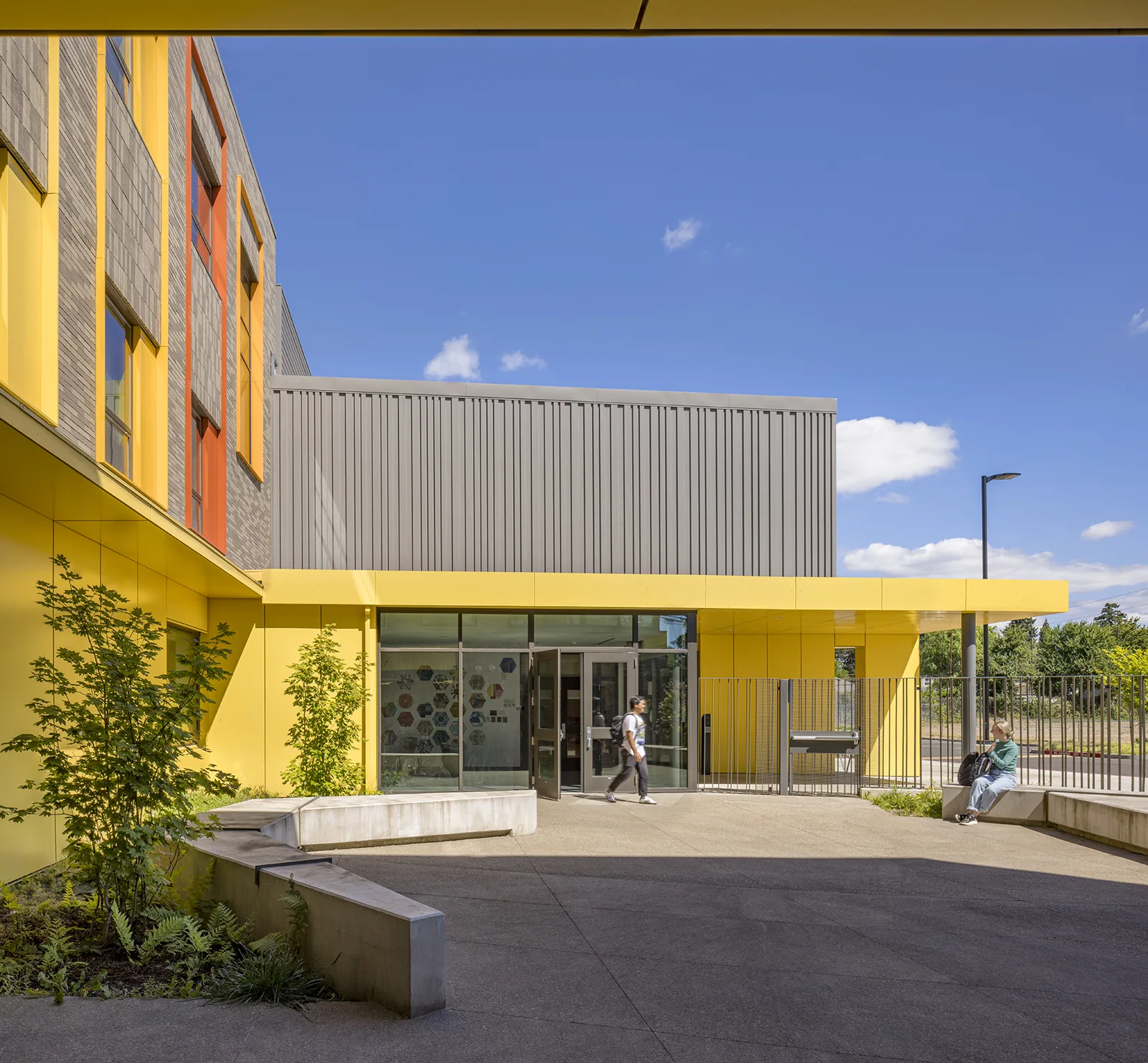
Use the school calendar without relying on it
Break periods can create longer work windows, but they also fill quickly with custodial projects, equipment replacement, and classroom preparation. We confirm dates for staff return, summer programs, sports, and building access before sequencing tear-off. A gym or auditorium may remain in use while classroom wings are empty. Those spaces need separate staging, noise, and interior protection decisions rather than one calendar date for the full campus.
When school is in session, roof work can be phased by wing or building if the weather, tie-in details, and site rules support it. The facilities contact identifies secure doors, student routes, fire lanes, and times when deliveries must stay outside dismissal traffic. An occupied-building roof sequence sets daily closeout points and keeps roof openings controlled. If work must overlap with a school event, the plan names the areas that remain off limits.
Connect classroom reports to roof conditions
A stain in a classroom ceiling may follow a deck flute from a curb or seam well away from the room. We compare staff reports with roof slope, drains, perimeter transitions, and previous repair records. Interior observations are scheduled with school personnel and limited to the spaces relevant to the concern. We record whether water is active, which finishes are affected, and whether the condition appears after rain or relates to indoor condensation.
On the roof, inspection covers seams, penetrations, skylights, curbs, flashing, edge metal, drainage, and areas changed by other trades. A commercial roof inspection can establish a mapped baseline for each building. Testing or a controlled opening may be appropriate when hidden moisture could expand the repair boundary. The report separates observed wet material from a suspected area, giving the district a grounded basis for a repair request or capital discussion.
Treat gyms, kitchens, and classrooms as different zones
A gymnasium often has a high roof deck and lighting or ventilation equipment that requires specialized access. Kitchen exhaust and grease can affect nearby roof surfaces, while classroom ceilings contain finishes and electrical systems that need protection. We map these uses below the roof so the sequence accounts for overhead equipment and interior conditions. If a roof section covers more than one function, the work plan identifies each area affected by an opening.
Roof penetrations often multiply after years of HVAC and technology projects. We check curbs, conduit supports, exhausts, abandoned supports, and walking paths. Each new penetration should be coordinated with the roof system and properly flashed once the equipment location is final. For a campus that includes student housing, residential roof planning brings its own resident access and communication needs. University buildings add research, housing, and event schedules that can change access and staging. A college and university roof plan accounts for those operating needs.
Keep water moving through storm season
DFW summer heat regularly reaches or exceeds 100°F, with humidity remaining high across the region. Exposed membranes, sealants, and metal details respond to those conditions, and afternoon rain tests drainage. We inspect drains, scuppers, and low points around equipment screens so leaves and debris do not hide a blocked outlet. A reflective coating cannot correct a clogged drain or wet insulation beneath the surface.
Spring storms can bring hail and damaging wind throughout the metroplex. The regional pattern is a reason to inspect, not evidence of damage at an individual school. After a reported event, we document actual impacts, lifted edge details, open seams, and interior reports by building. A hail-related roof assessment can separate observed effects from ordinary wear. Active water near classrooms or electrical rooms receives prompt protection while the lasting scope is developed.
Select repair or replacement by condition
School roofs may include single-ply membranes, built-up roofing, modified bitumen, or metal sections installed at different times. We identify the material and attachment before selecting a patch or new system. A repair must be compatible with the prepared surface; a generic coating over an unknown assembly can obscure rather than solve a problem. We also check insulation and deck condition where visible and identify when those layers need confirmation.
Localized defects with dry surrounding material may be repaired. Broad moisture, repeated leaks, failed attachment, or deck deterioration may support replacement or a defined phased renewal. A EPDM assembly has different seam details from a thermoplastic membrane, so the system record matters. We lay out recovery and tear-off options with their different impacts on debris, noise, protection, and schedule. The decision is tied to observed conditions, not the building's age alone.
Leave a record the next facilities lead can use
District roof records should connect photos to building, roof zone, defect, and completed work. A maintenance log can include drain checks, equipment changes, leak calls, and the date of each repair. We can prepare a roof condition report that distinguishes immediate repairs from areas to monitor. This helps a facilities team compare buildings without assuming every roof needs the same scope.
Cost and timing vary with the assembly, deck condition, work windows, access, equipment, and amount of interior protection. A proposal should identify the work boundary, temporary tie-ins, staging area, and what remains concealed. Scheduled roof maintenance helps keep repairs and drains in view between capital projects. If a school has adjacent offices or community-use spaces, those areas should appear as distinct zones in the sequence so building users know where work occurs and when routes reopen. A bid review can compare each option by materials, removal limits, access assumptions, protection, and closeout work. If one contractor includes deck allowances and another does not, the district should not treat their totals as the same scope. We define exclusions and the conditions that would require a change before scheduling begins.
Roof access also changes when deliveries, maintenance vehicles, sports activities, or after-school programs use the same perimeter. The facilities contact can identify gates and service routes that must remain available. Crews stage material only in the approved area and keep drains, exits, and fire lanes clear. A coordinated daily note records the roof section completed, the temporary tie-in, and any issue that needs attention before the next shift.
Commercial Roofing Questions
Can roof work happen while classes are in session?
Some projects can be phased during the school year when access, noise, safety routes, and temporary weather protection are controlled. The building schedule determines which areas can be worked.
Is summer the best time to replace a school roof?
Summer may offer longer work windows, but equipment projects, programs, weather, and staff return dates also shape the schedule. We map the available days to the roof sequence before proposing a start.
How do you protect classrooms under active work?
We identify the rooms below each roof zone, limit openings, and coordinate interior protection and access with facilities staff. Each workday ends with a defined dry-in condition.
What does a school roof inspection cover?
We check roof materials, seams, penetrations, curbs, drains, edge details, previous repairs, and reported interior leaks. Findings are documented by building and roof section.
When should a district plan replacement?
Replacement is considered when documented moisture, repeated leaks, failing attachment, or deck deterioration extend beyond isolated repair areas. The recommendation should state confirmed conditions and any remaining test needs.