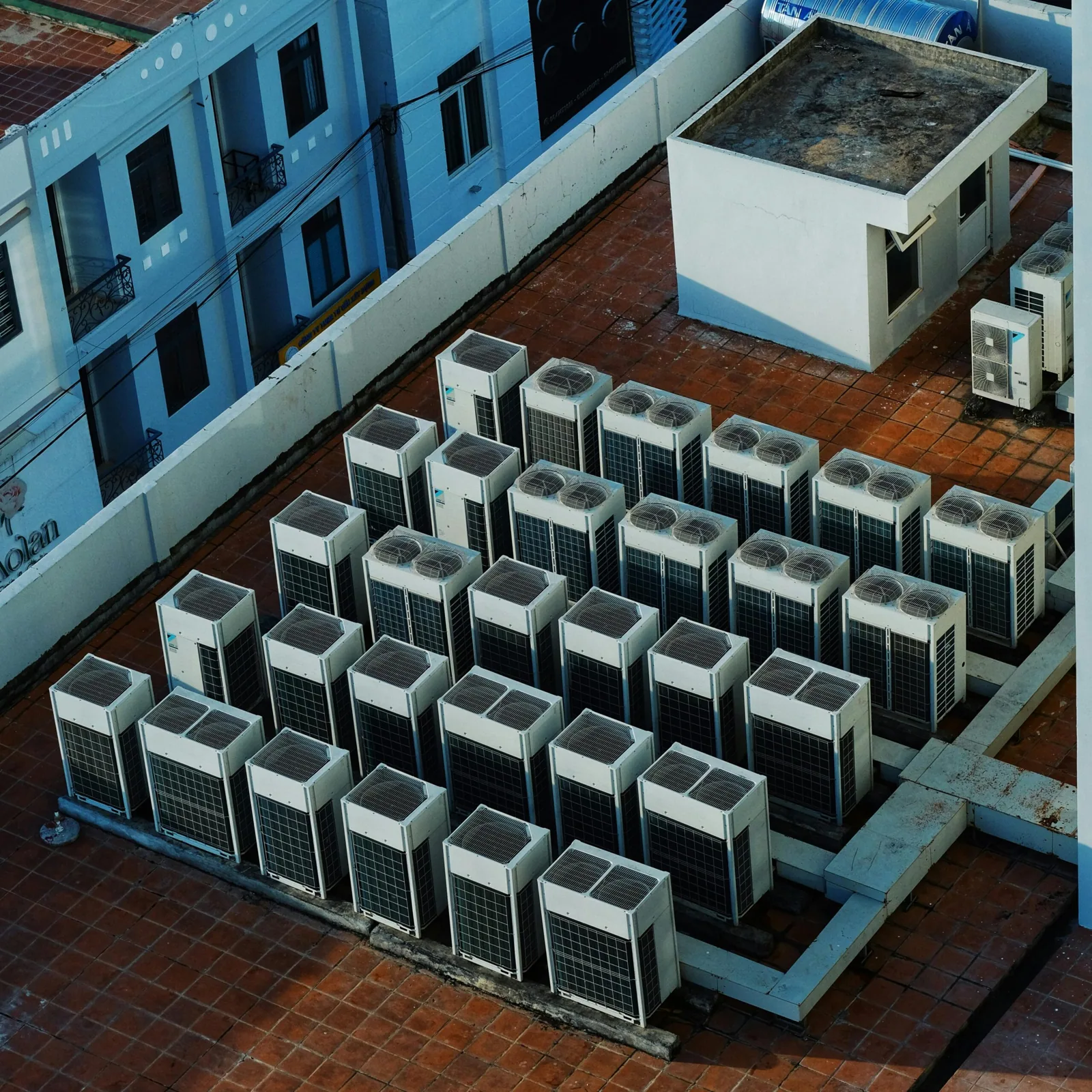
Commercial Roof Edge Metal and Coping Repair in Allen, TX
A loose coping cap or open edge seam gives wind-driven rain a route into a roof assembly. In Allen, spring storms bring damaging wind and hail across the Dallas-Fort Worth region, putting roof perimeters, corners, gutters, and wall transitions under pressure. We inspect how the metal is attached, where it meets the membrane, and where runoff exits the building. That complete edge review matters for offices around Watters Creek and technology or industrial properties at 121 Tech Park, where a small opening can affect occupied space or equipment. We document the condition and repair limits before work starts. Arrange commercial roof edge service in Allen when metal has shifted, separated, or begun to leak.
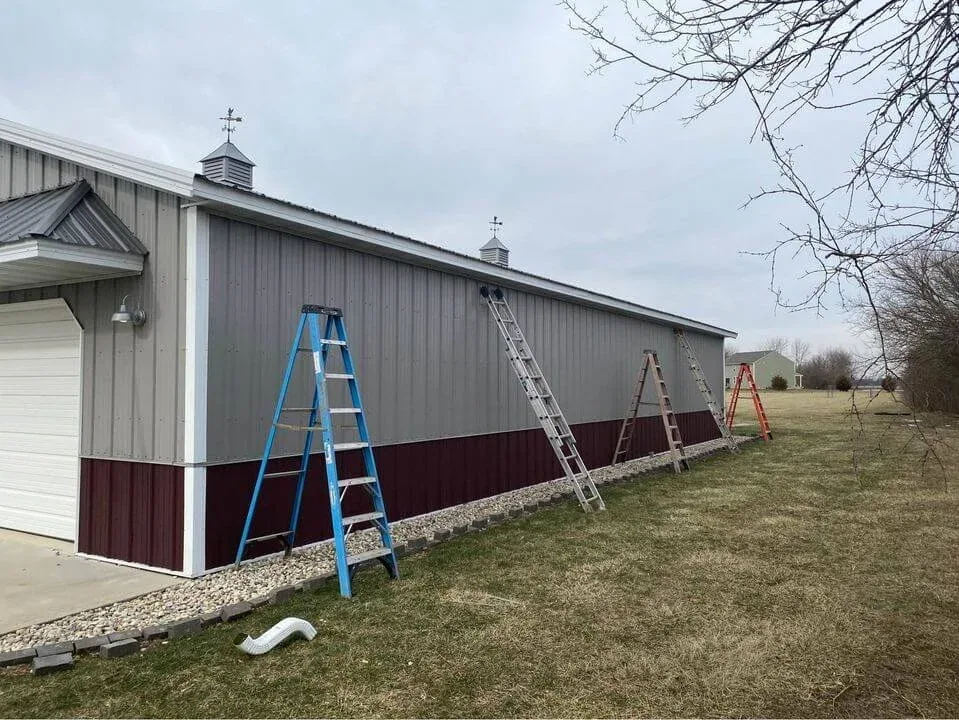
Check the perimeter as a connected assembly
Roof edges are not a single strip of metal. The assembly can include a fascia, cleat, coping cap, membrane termination, wood nailer, fasteners, counterflashing, and the wall or parapet behind them. A failure in one connection can loosen the next. We check for movement, missing or backed-out fasteners, open joints, corrosion, damaged seams, and gaps where membrane flashing should meet the metal. At corners, we look closely because wind pressure and directional changes can expose weak transitions.
Existing edge profiles and substrates affect the repair. We identify whether the roof has a gravel stop, fascia system, coping cap, gutter edge, or another detail, then check attachment to the supporting nailer or deck where accessible. Covering loose metal with sealant can hide the opening without restoring the connection. If the surrounding membrane has lifted, a roof repair may need to include both the field and the edge termination. When the assembly needs a broader inspection, we document the perimeter as part of a condition review rather than treating each metal strip in isolation.
Restore coping caps and wall transitions
Coping protects the top of a parapet and sheds water away from the wall. Open end joints, loose cleats, failed splice plates, and poor end dams can let water pass behind the cap. We examine joints, corners, terminations, and attachment spacing, along with the membrane and flashing below. If water has reached the wall cavity or roof insulation, the metal repair alone may not resolve the damage. We note evidence of wet materials and recommend the investigation needed to define the full repair.
Replacement sections should match the existing geometry, substrate, and exposure, with movement joints and seams handled for the actual run. A long parapet may require several connected details, not a bead of sealant at one opening. The completed scope identifies which caps, cleats, splice plates, or membrane transitions will be repaired. If an older assembly has widespread loose or deteriorated material, we compare a localized correction with a larger edge replacement. Photos of the parapet before and after work help building teams track where access, repairs, and future observation are needed.
Keep gutters and leaders moving
Gutters collect runoff at roof edges, but a sagging section or blocked outlet can back water under the membrane. We inspect the gutter slope, hangers, seams, outlets, downspouts, and visible discharge point. Leaves and storm debris can obstruct flow; detached brackets, damaged joints, or crushed leaders can restrict it. We also look for overflow staining, erosion, and water collecting near entrances or foundations. Where water backs up to the roof, the gutter and membrane termination need to be assessed together.
Heavy rain can exceed the capacity of a drainage system even when it is clear, and a roof surface may have a separate low point that sends excess flow toward one outlet. We note the path water takes and whether the system has an overflow detail. If an outlet is leaking at the roof, the repair must restore the membrane connection as well as the metal trough. A drainage assessment can include scuppers and internal drains when runoff does not follow a gutter route. For roofs where repeated ponding accompanies edge damage, the owner may need a broader drainage correction rather than another gutter patch.
Respond to wind and hail damage
After a storm, a metal edge may show a new bend, displaced section, open seam, or damaged fastener. We photograph the affected run and compare it with adjoining corners and transitions. Hail may dent or puncture metal, while wind can lift a cap or loosen a fascia connection. The pattern can help identify where the assembly moved, but each connection still needs inspection. Regional storm information provides context, not a substitute for checking the building.
If water is entering, temporary protection may be needed while replacement pieces are fabricated or a permanent scope is arranged. We record what was protected and what remains open. A storm damage assessment can document related membrane and flashing conditions, and a roof claim record can organize photos and repair observations for the property owner. Neither step determines policy coverage. At Allen facilities near Watters Creek and 121 Tech Park, the team coordinates roof access with tenants, rooftop equipment service, and any work below the affected wall or gutter.
Select metal for the roof detail
Metal type, thickness, finish, profile, and attachment must suit the roof edge and building conditions. We compare existing material with the repair requirement and consider corrosion, dissimilar-metal contact, thermal movement, and water exposure. A profile that looks similar from the ground may not fit the cleat, coping joint, or fascia geometry. We verify dimensions and interface conditions before ordering or forming replacement components.
Any membrane transition needs a compatible termination and flashing method. Sealant serves a limited role at designed joints; it does not replace the cleat, fastener, splice, or membrane bond that keeps the edge secure. A standing-seam metal assembly has panel-specific movement and closure details, while a low-slope membrane uses a different termination. The scope states which materials and transitions are included so the facility team can compare the repair with the existing construction. Where the substrate is concealed or deteriorated, we identify the inspection opening or additional work needed before final quantities are set.
Record the repaired edge
Completion notes identify the roof side, elevation, parapet or gutter run, and details repaired. Photos capture corners, joints, fasteners, downspout connections, and membrane terminations. We document any section left for later work and any condition that could not be checked without opening the assembly. The facility contact receives a clear record of what was repaired and what still needs monitoring.
Dallas-Fort Worth's hot summers and recurring spring storm risk put repeated movement and weather exposure on roof-edge details. A post-storm check can spot movement before water reaches interior finishes. A maintenance inspection can include fastener condition, open seams, gutter flow, and attachment at corners. For a property portfolio with several roof types, photo-based roof records make the edge repair easier to compare with other capital needs. The goal is a traceable assembly condition, not a cosmetic patch that leaves the next connection unknown.
Commercial Roofing Questions
Can you seal a coping cap without replacing it?
Sometimes. We check whether the cap, cleats, joints, and substrate remain secure. Sealant cannot restore loose attachment or replace a failed splice.
Why does a roof leak along a wall after wind?
Wind-driven rain can enter an open coping joint, membrane termination, or flashing transition and travel behind the wall before appearing indoors.
Do gutters count as part of a roof repair?
They can. A blocked or detached gutter may send water back under the roof edge, so we inspect the outlet and membrane connection together.
Can storm-damaged edge metal be repaired in place?
A secured section may be repairable. Bent profiles, torn fastener lines, or damaged supporting material can require replacement or added investigation.
How do you check a roof edge that is hard to reach?
We plan safe access and can use photographs or other inspection methods to document the area. The final assessment depends on visibility and physical condition.