Commercial Roof Insurance Claim Assistance in Allen, TX
A roof claim is easier to review when the condition record shows what was found, where it was found, and what repair would address it. In Allen, spring storms can bring hail and damaging wind, but regional weather information alone cannot establish damage to one building. We inspect the actual roof, photograph relevant conditions, and prepare a repair scope tied to those observations. That gives owners and facility teams a usable roofing record for their discussion with an insurer. The process can help whether a storm affected offices near Watters Creek, industrial space around 121 Tech Park, or another commercial property in the area. To start, request a commercial roof assessment in Allen.
Document the roof that is there
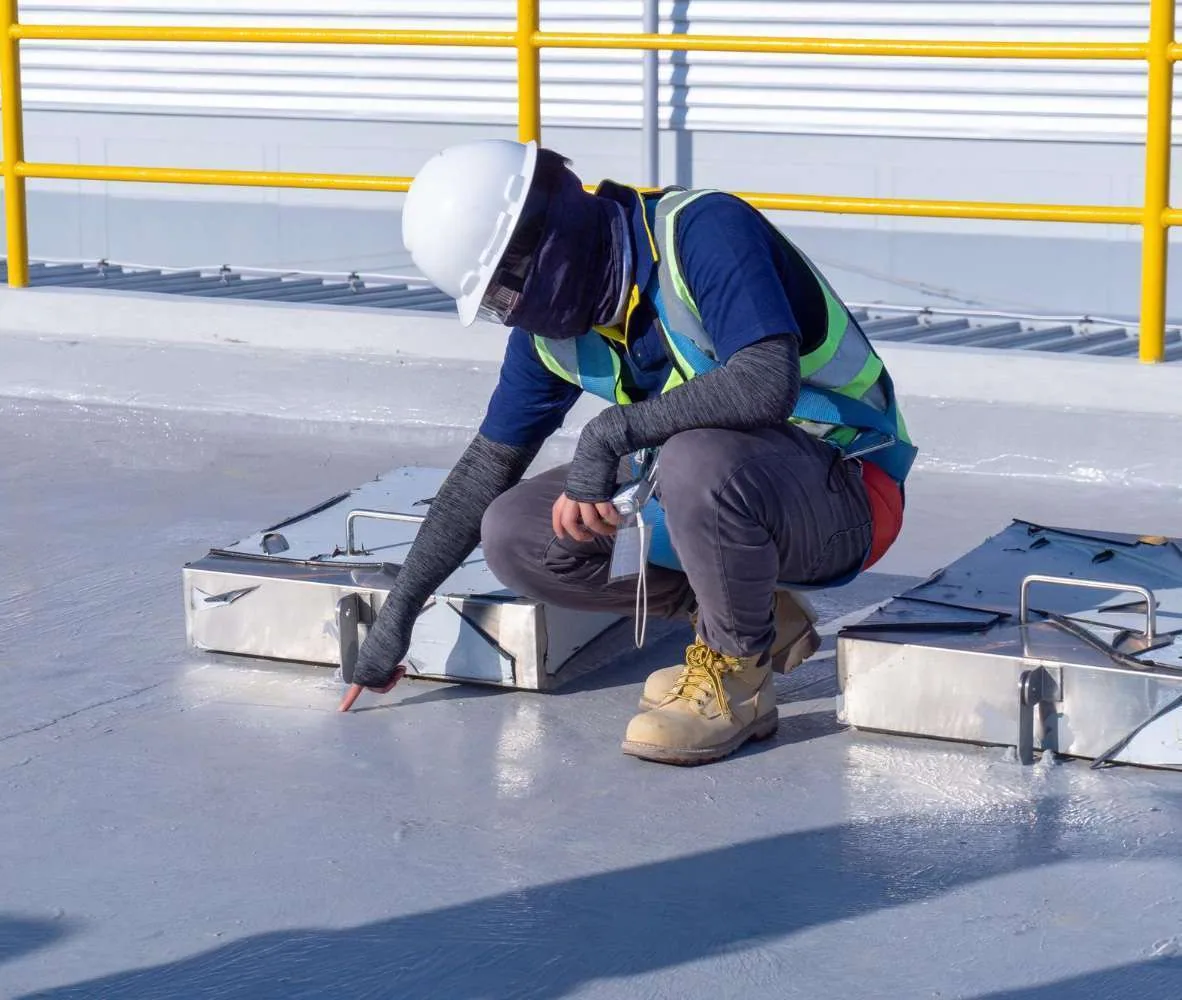
We record the roof assembly, the affected areas, and the conditions that may relate to the reported event. Photos can show impact marks, torn membrane, displaced edge metal, separated flashing, punctures, damaged rooftop accessories, and interior water evidence. Context images help locate each close-up in the broader roof. Notes identify surfaces we could inspect and conditions that were concealed or inaccessible. The report describes observations; it does not decide whether an insurance policy covers the damage.
Timing matters for a clear record. Preserve the date the leak or damage was first noticed, the weather event being reported, any temporary measures, and earlier repair or maintenance records. Interior photos can show where water appeared and what was affected. We compare that information with roof conditions without treating the indoor stain as proof of the entry point. If water is active, an emergency roof response can help protect the building while a permanent scope is prepared. Keeping temporary work separate from permanent repairs makes the sequence easier to follow.
Distinguish impact from aging
Hail, wind, heat, and normal service life can leave different evidence, and a roof may have more than one condition at once. We look at the location, pattern, material, and effect of each observed mark. Dents in metal accessories may matter differently from membrane cuts, open seams, or displaced edge components. Existing repairs, weathering, drainage concerns, and rooftop traffic are recorded where they affect the evaluation. We do not infer a roof-wide failure from one mark, or rule out damage because a distant portion appears intact.
The Dallas-Fort Worth area has its greatest severe-thunderstorm frequency in spring, with large hail and damaging winds occurring across the region. That context can help frame an inspection date, but the building's condition still has to be established on site. We can compare reported damage with the roof field, corners, perimeter, curbs, drains, and transitions. A storm repair assessment addresses the physical work needed, while a commercial roof inspection can examine broader conditions not limited to one reported event.
Connect each finding to repair work
A useful scope names the roof area and describes the work needed there. Depending on the assembly, repairs may include a compatible membrane patch, seam correction, replacement flashing, secured edge metal, fastener work, drainage clearing, or removal of wet insulation. The scope should distinguish emergency protection from permanent repairs and note where investigation or testing is still needed. We identify the repair boundary and materials involved without inflating a localized issue into an unsupported replacement recommendation.
Some conditions need a different evaluation. Widespread moisture, unstable attachment, a deteriorated deck, or incompatible layers can change the repair plan. When those findings are present, we explain why a patch alone may not solve the problem and compare appropriate options. A replacement recommendation is not made simply because a claim exists; it follows the condition of the roof and the viable repair path. If the damage is confined to the roof edge, perimeter metal repair may address the opening without replacing serviceable field areas.
Keep the insurance roles clear
The property owner or authorized representative communicates with the insurer and makes coverage decisions. We provide roofing observations, photos, technical explanations, and repair pricing when requested. The carrier evaluates the policy and claim. A roofer cannot promise approval, determine policy coverage, or predict a particular settlement. We can explain why a roof repair is needed and answer questions about the assembly or proposed work.
For larger properties, coordinate the roof inspection with building access and tenant operations. A facility contact can identify interior leak locations, restricted areas, critical equipment, and safe roof access. If multiple properties were affected, keep a distinct record for each address and roof rather than combining unrelated conditions. Our roof condition reports can organize the observations, photos, repair items, and follow-up work for an asset team. That gives the owner a factual document to share while preserving a clear line between field findings and insurance decisions.
Protect the roof while the claim is reviewed
Claim review and weather do not always move on the same schedule. If the roof is open or water is entering, reasonable temporary protection may be needed to limit further damage. We note what was protected, where the measure was installed, and whether follow-up is required. Temporary material is not a permanent repair unless the roof condition and system support that conclusion. After permanent work, photos and completion notes can show which items were repaired and whether any separate condition remains.
Dallas-Fort Worth's hot summers can age exposed membranes and sealants, and repeated rain can test the same roof details after the initial event. Following repair, we can check the affected area and related drainage after weather exposure. A maintenance visit may also record recurring issues that are unrelated to the claim. For properties around Watters Creek and 121 Tech Park, the building's use determines how interior protection, roof access, and repair timing are coordinated. We work with the facility contact to reduce interruption while keeping the inspection and repair record specific.
Prepare a complete roofing file
Bring together the inspection report, roof photos, proposal, invoices, maintenance records, interior water documentation, and relevant insurer communications. If the roof has a warranty, include its documents and any notice requirements before work proceeds. Preserve original photos when possible and record when temporary work or permanent repair occurred. These records help the owner compare the observed condition with the work completed and address later questions about the roof's history.
Our closeout can identify the repair areas, materials installed, and any excluded or deferred item. If the inspection found wet insulation or hidden conditions that could not be confirmed without opening the assembly, the report should say so. The owner can then decide whether to authorize further investigation. The goal is a readable account of the roof, not a prediction about claim outcome. The repair scope can also help compare current work with a future maintenance or capital plan.
Commercial Roofing Questions
Can you tell us whether insurance will cover the roof?
No. We document roof conditions and explain repair needs. The insurer and policyholder determine coverage under the policy.
What photos help support a roof claim?
Date-stamped overview and close-up photos, interior water locations, and images of temporary protection help place conditions in context. We add roof observations from the inspection.
Should permanent repairs wait for the adjuster?
An active opening or leak may need immediate protection. We can document urgent measures and coordinate access, while the owner decides how to handle the claim.
Can a storm report prove my building was damaged?
A regional report provides weather context, not proof of damage to a specific roof. An on-site inspection records the building's actual condition.
Do you inspect the whole roof or only the reported area?
We can focus on a reported area or review broader conditions. The inspection scope should match the question the owner needs answered.