Commercial Roof Drain and Scupper Repair in Allen, TX
Standing water after a Dallas-Fort Worth downpour can mean a clogged outlet, a damaged drain bowl, a crushed conductor, or a low roof area that no longer slopes toward drainage. In Allen, spring thunderstorms can deliver heavy rain along with hail and wind. A clear drain path matters, but clearing debris alone will not correct a settled deck or a disconnected leader. We inspect the full route from roof surface to discharge point, then define the repair that addresses the cause. Properties around Watters Creek and 121 Tech Park have different roof layouts and tenant needs, so we map the affected area before work begins. Arrange commercial drainage service in Allen when water remains on the roof or backs up indoors.
Find where runoff stops
We start at the roof surface and follow the path water should take. The review includes drain strainers, bowls, clamping rings, internal piping connections where accessible, scupper throats, conductor heads, downspouts, and visible discharge points. We look for leaves, construction debris, sediment, displaced strainers, damaged metal, loose connections, and signs that an outlet has been overwhelmed. If an interior leak is reported, we compare its location with the drainage route but do not assume that the nearest outlet is the source.
Water can remain because a drain is blocked, the roof has an unintended low spot, or the slope has changed. A hose test may show whether an outlet flows, but it cannot confirm the capacity of concealed piping or correct the roof geometry. We describe what was tested and what could not be seen. When the wider assembly needs review, a commercial roof inspection can record membrane and flashing conditions around the drainage area. If moisture below the surface is a concern, a moisture survey may help identify areas for targeted verification.
Protect the drain connection
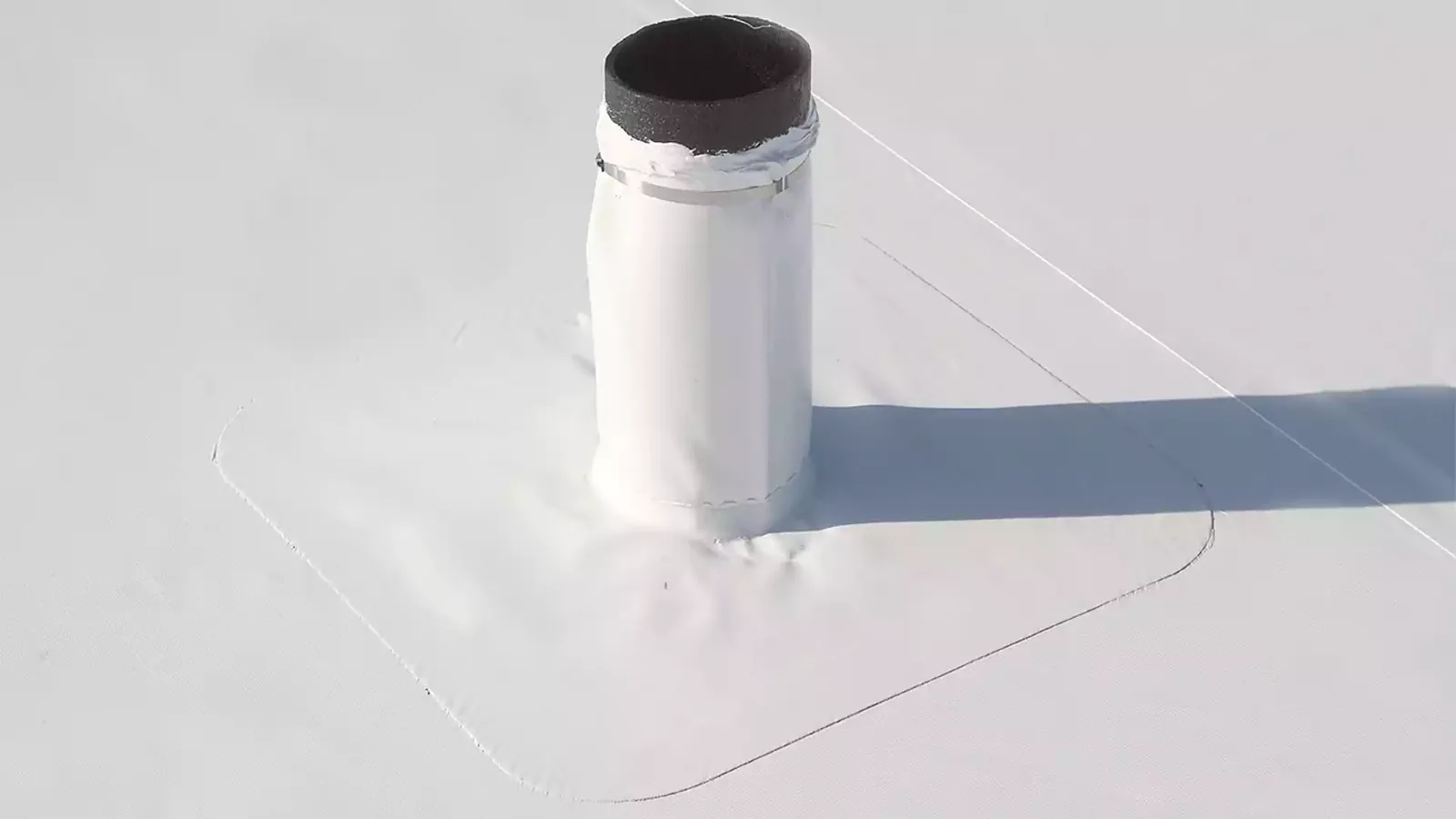
A roof drain depends on more than an open grate. The membrane must turn into the bowl and remain secured beneath the clamping ring or compatible flashing detail. A loose ring, cracked bowl, deteriorated seal, or poorly terminated membrane can let water pass into the assembly even when the pipe is flowing. We inspect the drain interface, membrane condition, fasteners, and nearby seams. Repairs use materials suited to the roof system, with the connection rebuilt so water enters the drain rather than the insulation.
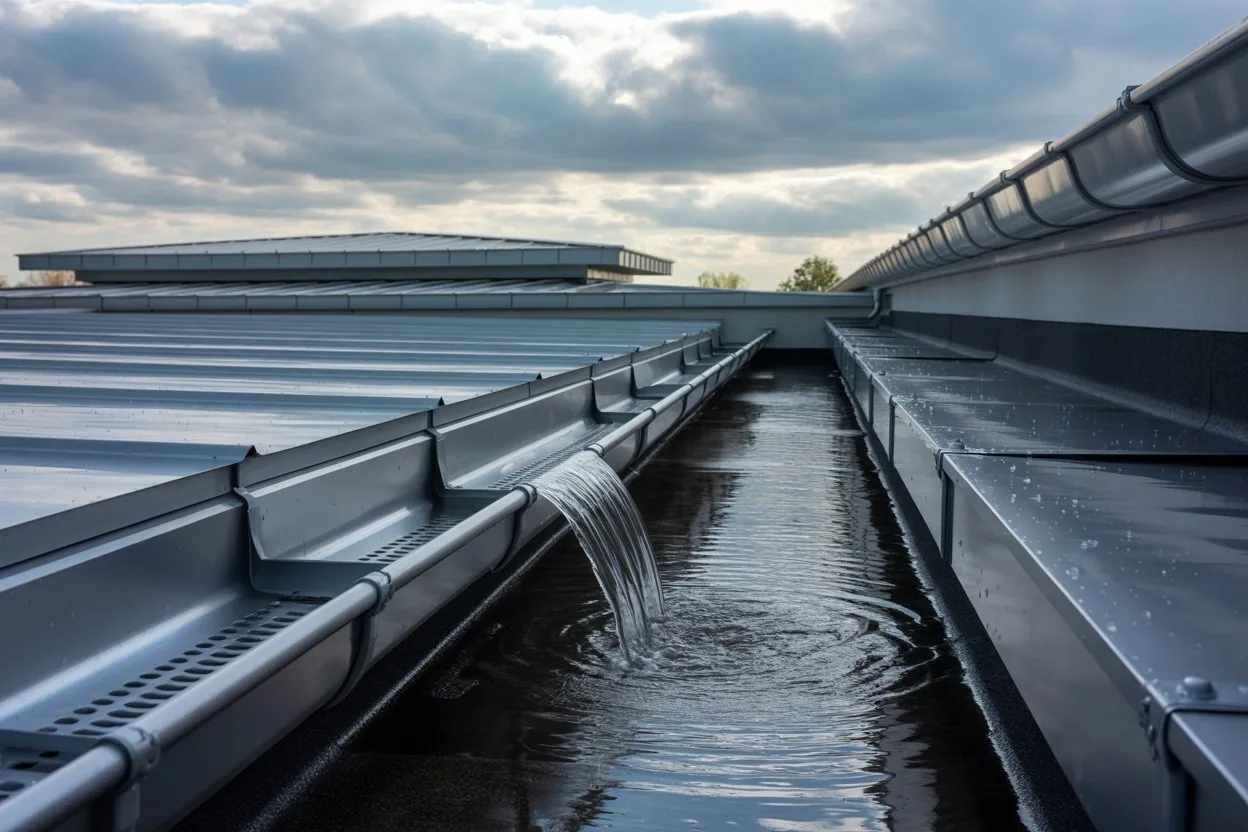
Scuppers present their own failure points. We check the opening, metal sleeve, membrane tie-in, counterflashing, and exterior downspout or leader. A scupper can be obstructed by debris or restricted where the conductor meets the wall. Overflow scuppers also need to remain open; covering or narrowing them can leave the roof without its secondary drainage path. If metal at the opening is loose or corroded, a flashing and perimeter-metal repair may be needed alongside membrane work. We record outlets that work and those requiring a separate plumbing or structural evaluation.
Address recurring ponding
Some shallow water can remain briefly after rain, but persistent ponding deserves investigation. Repeated standing water can accelerate surface wear, stress seams, add load, and keep a leak path active. We document the location and depth pattern, note nearby drains and overflows, and check whether the roof surface has deflected. Ponding may result from a blocked drain, compressed insulation, a low deck, or a design condition that has not changed. Each cause leads to a different repair decision.
Where a drain is clear but the low area remains, adding coating over the depression will not create a reliable slope. A tapered insulation adjustment or deck correction may be needed, subject to structural and code review. We explain whether the project can improve drainage locally or needs a broader design. A suitable single-ply roof system or other replacement assembly can incorporate drainage changes when a larger reroof is already under consideration. For a localized problem, we keep the repair limits specific and note the residual condition rather than implying that one outlet repair will resolve every puddle.
Repair the complete water path
A durable drainage repair treats the route in sections. We remove obstructions, correct damaged strainers or bowls, rebuild membrane flashing, secure scupper sleeves, repair connections, and restore compatible seal or metal details where the scope calls for them. If a leader or underground connection is beyond the roofing scope, we identify the interface and coordinate the needed evaluation with the property team. Water should discharge away from doors, walls, and foundations as the site design requires.
During work, we protect the opening from debris and keep materials out of the piping. The crew documents the condition before the repair and checks flow afterward when testing can be done safely. Drainage work should not block an overflow outlet or direct water onto another roof section. Where storms have shifted roof debris, we also inspect adjacent seams and penetrations for fresh damage. A storm-related roof repair can address the membrane or edge conditions while the drainage path is restored. Allen's humid summer air and intense heat can affect sealants and membrane movement, so the selected materials need to match the roof and installation conditions.
Plan access and maintenance
Drain and scupper work often requires access below the roof as well as above it. We coordinate roof access, interior ceiling access when needed, and any restrictions around tenants or equipment. For an occupied office near Watters Creek or an industrial operation at 121 Tech Park, the facility contact can identify sensitive rooms, operating hours, and discharge areas that must remain clear. If a drain is connected to equipment or piping that should not be interrupted, that condition needs to be known before the repair date.
After repairs, routine checks can remove leaves and debris, confirm that strainers are in place, and identify blocked overflows before the next heavy rain. Maintenance should also note recurring ponding, membrane separation, and new interior symptoms. A roof maintenance program can track each outlet and inspection date. When repeated drainage repairs begin to compete with other capital needs, roof capital planning can compare the cost and disruption of recurring work with a larger assembly correction. That comparison uses the actual roof condition and building schedule.
Verify flow and record exceptions
Closeout identifies which drain or scupper was serviced, what components changed, how the membrane was tied in, and whether flow was checked. Photos show the outlet, surrounding surface, and any repaired metal or flashing. We list an unresolved piping restriction, persistent low area, damaged deck, or other item separately so it does not disappear into a general completion note. If weather prevented final testing, the report states that follow-up is still due.
For a property team managing several roofs across Allen, a consistent outlet record helps compare conditions without treating different assemblies as identical. Each drain should have an identifiable roof area and a status: flowing, repaired, restricted, or requiring further evaluation. The record also gives the next maintenance visit a clear starting point. If the water problem returns, the team can compare the new symptom with the prior photographs and work notes instead of reopening the diagnosis from scratch.
Commercial Roofing Questions
Will clearing a drain stop the leak?
Only if the obstruction caused the entry point. We inspect the drain bowl, membrane connection, and nearby seams because an open pipe can still have a leaking roof detail.
Why does water remain when the drain is open?
A settled area, compressed insulation, inadequate slope, or a restricted downstream pipe may keep water from leaving. The repair depends on which condition is present.
Can you replace a broken scupper?
Yes. We can rebuild the roof tie-in and metal sleeve, then identify any separate work needed on the downspout or wall connection.
Should overflow scuppers be covered?
No. They provide a secondary path for water and should remain open. We check them during the drainage review.
How do you verify the outlet works after repair?
We inspect the completed connection and test flow when conditions and access allow. Concealed piping limits may require a separate plumbing evaluation.