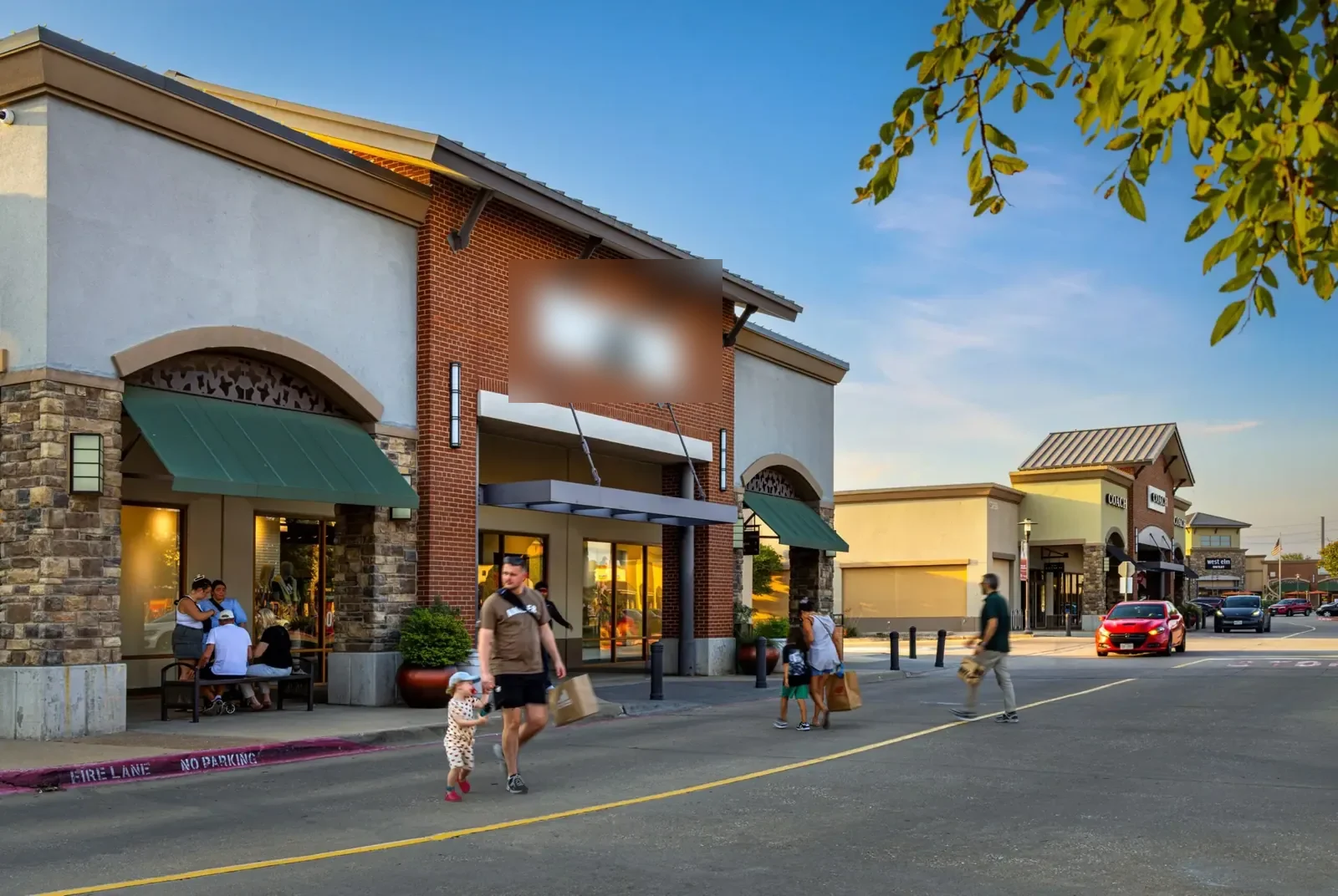
Commercial Roofing in Plano Legacy District, TX
A district boundary helps with scheduling; it does not identify the condition of a roof. Plano's Legacy Area spans roughly five square miles and combines corporate campuses with retail and residential uses. Its edges connect to the Sam Rayburn Tollway, Preston Road, and Spring Creek Parkway. Office, medical, technology, research, and warehouse uses create different roof-access and occupant constraints. We identify the specific property and roof zone before recommending work, then keep findings attached to that building. A district-wide calendar can coordinate service; it cannot replace a field inspection or a separate property record.
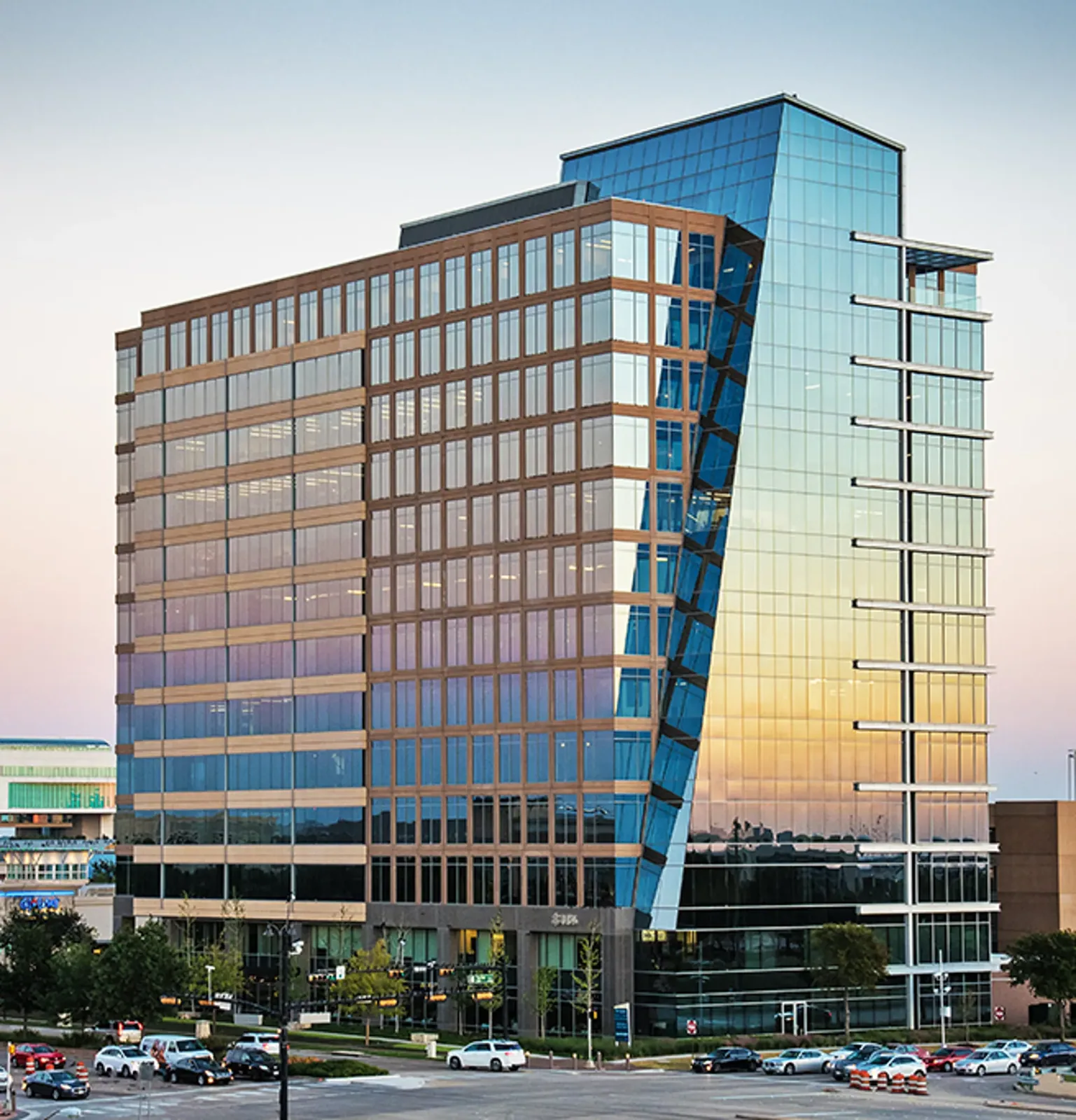
Use district context without blending buildings
Legacy includes corporate campuses, shops, residential properties, and employment uses. That combination can place active offices, loading areas, customer entrances, and rooftop equipment within a short service route. We confirm the property contact, access instructions, and work authorization for each building. The Plano service area can coordinate the wider municipal schedule, while nearby Frisco coverage stays separate from a Legacy roof file. A report should identify which structure and roof sections were reached, not treat the district name as a single asset.
The boundaries around Sam Rayburn Tollway, Preston Road, and Spring Creek Parkway help orient service planning across the area. They do not establish what businesses occupy a particular building or which roofing system is installed. Before dispatch, reconcile the tenant or suite with the owner's property map, especially where several structures use a shared campus name. Confirm whether deliveries, customer traffic, or medical access restrict staging. If the same owner requests work at multiple addresses, group the appointments where practical and issue separate observations and scopes for each roof.
Trace the reported condition to a roof zone
Water inside a building can appear far from the point where it entered. We compare the interior report with slopes, seams, curbs, drains, scuppers, walls, edge metal, and past repairs. A photo of a ceiling mark is useful, but it does not define the roof opening or show whether insulation is wet. We map visible findings to roof sections and identify areas blocked by screens or equipment. If moisture below the membrane could change the repair, targeted readings or a controlled opening may be needed. A documented commercial inspection separates observed facts from conditions that remain unverified.
Access planning is part of the inspection scope. A campus building may require coordination with security, a property engineer, or tenant operations before a hatch can be opened. Confirm whether interior access is needed to investigate staining and who can authorize a test. Record any roof area that could not be safely reached, rather than implying that a walkover covered the full assembly. When a drain or curb needs closer review, photograph its relationship to the surrounding field. The next visit can then return to a recognizable point instead of searching a large roof from a general location name.
Read weather reports as regional context
Dallas-Fort Worth has its greatest severe-thunderstorm frequency in spring; hail, damaging winds, flooding, and tornadoes occur across the metroplex. The regional pattern is a reason to review reported storm impacts, not proof that a Legacy property was struck. After a specific event, inspect the accessible membrane or panels, edge details, rooftop equipment, and drainage. Document punctures or displacement where they are visible and distinguish them from older wear. If an active opening admits water, temporary protection may precede a permanent repair. A post-storm assessment should state what the crew observed at the actual site.
Match the repair to the installed assembly
A corporate or retail use does not imply a particular membrane. The Legacy district may contain different materials across separate buildings and additions, and a single roof can have multiple repair histories. We identify the field surface, attachment, flashing, substrate, insulation, and drainage before selecting a patch or coating. A welded seam, adhered lap, metal joint, or liquid-applied detail needs a method suited to the actual assembly. If a previous coating obscures the surface, testing may be needed before new material is applied. A repair plan names the system, tie-in, removal boundary, and open questions.
If a recover is being considered, verify existing layer count, moisture, attachment, height, drainage, and code before treating it as an option. Wet insulation or unstable deck will not be resolved by adding a surface layer. Tear-off exposes hidden conditions but requires debris staging, protection from weather, and a plan for occupants below. A replacement design should account for drains, parapets, equipment curbs, edge metal, and rooftop service routes. The owner should be able to see which details are included and which depend on testing, rather than receiving a broad recommendation detached from the property.
Sequence work across an active district
Legacy properties may run on different calendars even when they share an owner. Before mobilization, align access windows, material delivery, lift or crane needs, roof keys, interior protection, noise limits, and weather contingencies with the responsible contact. Work near a medical center or occupied office may require a clear entrance and notice to affected tenants. A phased roofing plan can divide the roof into work zones and define each day's closeout. Temporary edges, open penetrations, and partially completed flashing need a secure weather-tight detail before the crew leaves.
If service is planned near the tollway or a busy retail entrance, confirm delivery and staging paths with the property manager instead of assuming roadside access. A shared district schedule can reduce travel between appointments, but the work order needs a distinct site address and building contact for each stop. Identify which party can approve an added repair if the roof opening reveals wet insulation or damaged deck. At completion, report the area finished, the tests performed, material used, and any phase remaining. This gives the facilities team a usable handoff when several contractors or tenants share the campus.
Give ownership comparable renewal choices
A local repair can be reasonable when the affected detail is isolated and surrounding material remains stable. Repeated leak calls, broad moisture, loose attachment, or deck deterioration may point toward a larger scope. We compare repair, recover, and replacement using the same roof-zone boundary and the same known conditions. Each option should state assumptions about insulation, edge details, drainage, equipment, access, and testing. A recover study and replacement estimate should distinguish what is confirmed from what will be visible only after removal.
Keep evidence attached to the right property
Store photos, roof maps, system identification, approvals, materials, test findings, and closeout with the property's facilities file. If a rooftop equipment vendor changes a curb or penetration, record the date and arrange a roof-side review. A condition report can use consistent fields across a portfolio and still preserve separate building histories. Mark inaccessible zones and distinguish visible condition from a suspected issue. That record lets a later inspection find the same seam, drain, or transition and compare its state without depending on memory or a broad campus name.
Keep building identity, contact, roof zone, and observed issue together for each work order. If the portfolio summary rolls up findings for capital planning, preserve the link to each property map so separate roofs do not become a single unsupported condition claim.
Commercial Roofing Questions
Does a Legacy district inspection cover the full five-square-mile area?
A site visit covers the named property and the roof zones reached during the inspection, not every parcel across the district.
Can several campus buildings share one estimate?
They can be scheduled together, but scope quantities and condition evidence should remain building-specific.
Does regional hail activity prove a Legacy roof was damaged?
No. We document observed conditions at the property and distinguish them from regional weather context.
What should a phased reroof proposal include?
It should define work zones, access, protection, daily dry-in, tie-ins, and any condition that could change the scope.
How should a recover option be evaluated?
Confirm layer count, moisture, attachment, drainage, height, and code conditions before comparing it with removal.