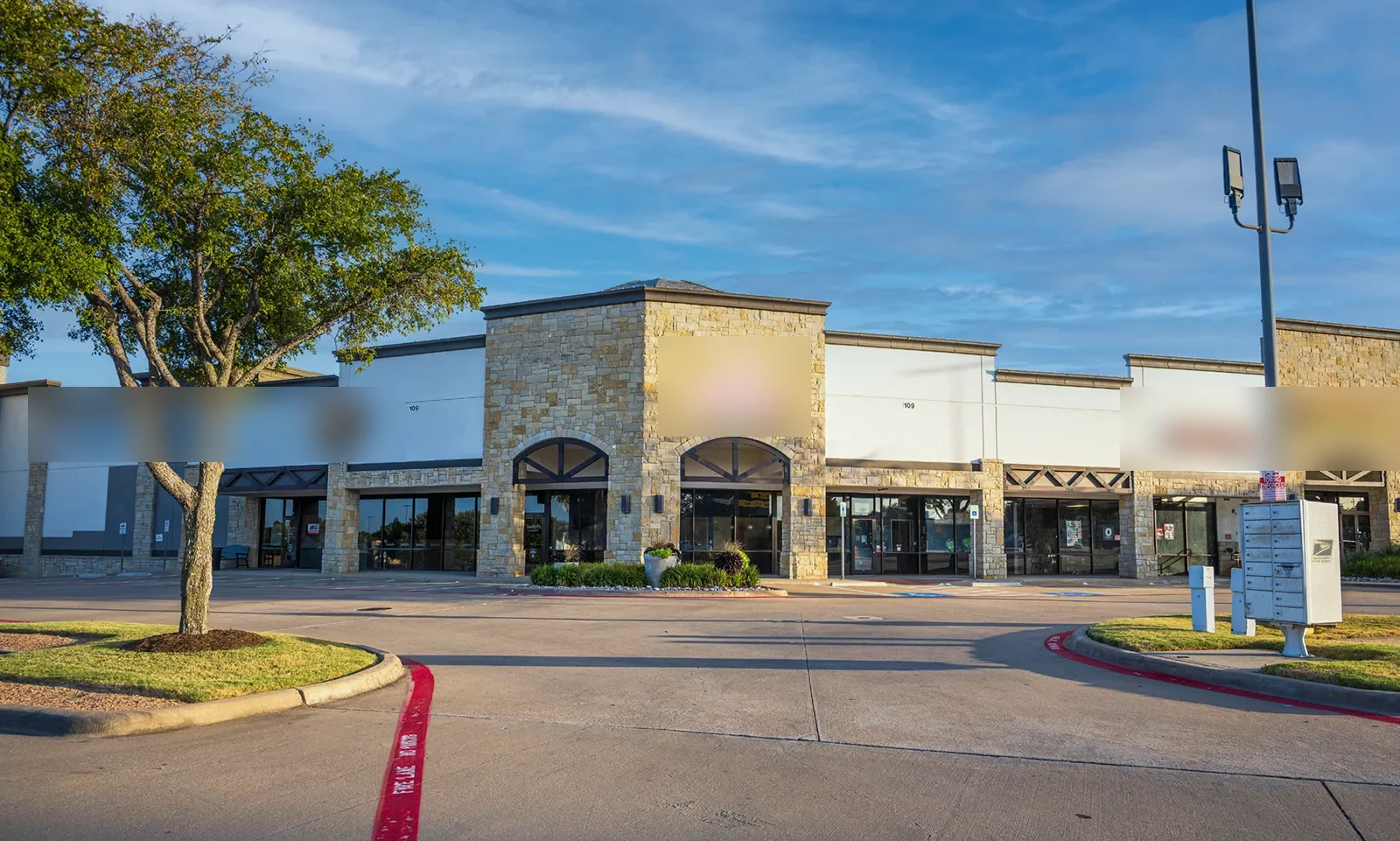
Commercial Roofing in Plano, TX
Heat exposure and a crowded roof can put the operating schedule ahead of a material decision. In Plano, employment centers bring together corporate offices, medical facilities, education, technology, and research. The Legacy area, Granite Park, and the expressway corridors each include different property uses and access conditions. We inspect the building that called, identify its assembly and drainage path, and tie recommendations to a mapped roof zone. The Allen service area and Plano Legacy district can be coordinated with this route. A regional weather report is context; the inspection determines which part of a property needs attention. We coordinate a work window around the facility rather than assume the whole campus is open to construction.
Start with the roof map and access plan
A facility director can help the inspection move quickly by identifying the reported suite, production bay, mechanical room, or storage area and providing roof plans if they exist. We compare that report with seams, drains, curbs, parapets, transitions, and earlier repairs. Water may travel below the visible surface before appearing inside, so the stain alone does not set the repair boundary. Photos should show a named roof zone and a detail that can be found again. A commercial roof inspection records what was reached, what was observed, and any test needed to confirm concealed moisture.
Large employment properties can have several roof levels, equipment screens, and additions built at different times. We record each assembly separately instead of assuming one repair method applies across the site. Confirm who can open roof access, whether an escort is required, and which spaces need notice before an inspection. If equipment blocks a portion of the field, document that limit and schedule a return with the right access. This provides a useful distinction between an inspected area and a section that remains unknown, which matters when a capital team compares the report with prior work.
Separate regional weather from roof evidence
North Texas records its most frequent severe storms in spring, when hail, damaging winds, flooding, and tornadoes can affect parts of the Dallas-Fort Worth metroplex. That history does not establish that a particular Plano property was struck. After a reported event, we examine accessible field seams, edge metal, rooftop penetrations, drains, and prior repairs, then compare visible conditions with earlier photos where available. A displaced edge or puncture is documented at its actual location; routine wear and pre-existing damage are recorded separately. If water is active, temporary protection may be needed before a permanent scope can be developed. A storm assessment should state the roof areas actually reviewed.
Hot summer conditions add a different inspection constraint. A roof surface can be difficult to work on during the warmest part of the day, and metal details move as temperatures change. We plan safe access and work timing, then look at the conditions that control water entry: terminations, fasteners, seams, drains, scuppers, and curb flashings. If an owner asks whether a weather event caused a particular leak, the report can compare timing and observed damage without claiming a cause the roof cannot support. This approach is useful for buildings around Plano Parkway and the George Bush Turnpike employment area, where the operating impact of an open roof detail may be greater than its visible size.
Identify each assembly before specifying a repair
Office, medical, technology, and warehouse uses do not tell us what roofing material is installed. A property may have a single-ply membrane on one wing, metal over a service area, or an older assembly below a later coating. We verify the visible surface, attachment, substrate, drainage, and transition details before selecting a weld, adhesive, flashing, or coating repair. At equipment curbs, note movement and the condition of the membrane upstand. At drains, distinguish a blockage from a failed connection. A repair scope identifies the system and tie-in rather than pricing an assumed assembly.
When conditions suggest moisture below the field, targeted testing can help establish how far removal should extend. A surface patch is not a substitute for replacing wet insulation or stabilizing a deteriorated deck. If a roof has multiple layers or uncertain attachment, the report should say what the inspection could not verify and what opening would answer the question. The selected system must work with the deck, edge details, equipment height, drainage, and building operations. Owners comparing a TPO assembly with another option should compare alternatives on a consistent roof boundary and documented assumptions, including insulation and perimeter work.
Protect the work window for occupied properties
A corporate office may need tenant notices and vertical-access coordination; a medical facility may need a clear entrance and uninterrupted clinical access; a warehouse may depend on dock schedules. Before setting a date, confirm roof keys, staging, delivery path, lift limits, interior protection, noise windows, and who can authorize work if a test opening exposes a new condition. A phased occupied-building plan can organize those constraints by roof zone. Temporary edges and penetrations need a weather-tight close at the end of each shift, even when work spans several mobilizations.
For sites in Legacy or Granite Park, a shared portfolio schedule can coordinate the service call without combining the building records. Identify which property owns the access path, which manager receives updates, and whether rooftop mechanical work is scheduled at the same time. If several tenants occupy one building, provide a short notice describing the affected area and expected access restrictions. The closeout should name the work completed, any temporary detail, and the next action. A supervisor reviewing the record later should be able to tell whether a crew returned to finish the same zone or began a separate scope elsewhere on the property.
Compare repair, recovery, and replacement on equal terms
A single failed flashing or seam may be repaired when surrounding material remains stable. Repeated leaks, widespread moisture, poor attachment, or deck deterioration can change the decision. Recovery is considered only when existing layers, moisture, attachment, drainage, roof height, and current code requirements permit it. Removal exposes concealed material but adds debris handling, weather protection, and interior coordination. We compare options on a consistent roof boundary and name what remains untested. A recover evaluation and a replacement proposal should identify curb, drain, edge, and access assumptions rather than hide them in a general allowance.
Cost and schedule are shaped by more than the membrane area. Insulation replacement, deck repairs, edge metal, access equipment, occupant protection, and the need to keep equipment online can alter the sequence. A test opening can refine an allowance before the owner authorizes a larger project. When the budget cycle is fixed, a repair may serve as an interim measure only if its limits and follow-up are documented. A capital plan should distinguish immediate water control from renewal of the full assembly, then show how each phase affects operations and future maintenance.
Keep condition records usable between service calls
After repairs, store the roof map, dated photos, materials, repair limits, test results, and closeout notes with the property file. If an HVAC or electrical vendor changes equipment or penetrations, record the date and request a roof-side review of the new interface. A roof condition report can give facilities and asset teams consistent fields across properties while preserving each building's evidence. A report should mark areas that were inaccessible and avoid describing concealed insulation as dry if no testing was performed.
Use consistent roof-zone labels and retain the location of temporary repairs. If drainage work cleared an outlet but did not change ponding, keep that distinction in the file. A portfolio label is not a condition assessment; each recommendation belongs to the building and surface inspected.
Commercial Roofing Questions
Can one roof report cover several Plano buildings?
A summary can compare properties, but each building needs its own roof map, observations, photos, and limits.
Does spring hail in Dallas-Fort Worth confirm damage at our facility?
No. We inspect the property and document visible impact or conditions needing testing.
What can make a repair scope expand after opening the roof?
Wet insulation, unstable deck, poor attachment, or additional damaged material can change the removal boundary.
Can a reroof happen while the office remains open?
We phase access, protection, deliveries, and daily weather-tight closeout around the site schedule.
What records should we retain after work?
Keep dated photos, system identification, test results, approved scope, materials, closeout, and follow-up items together.