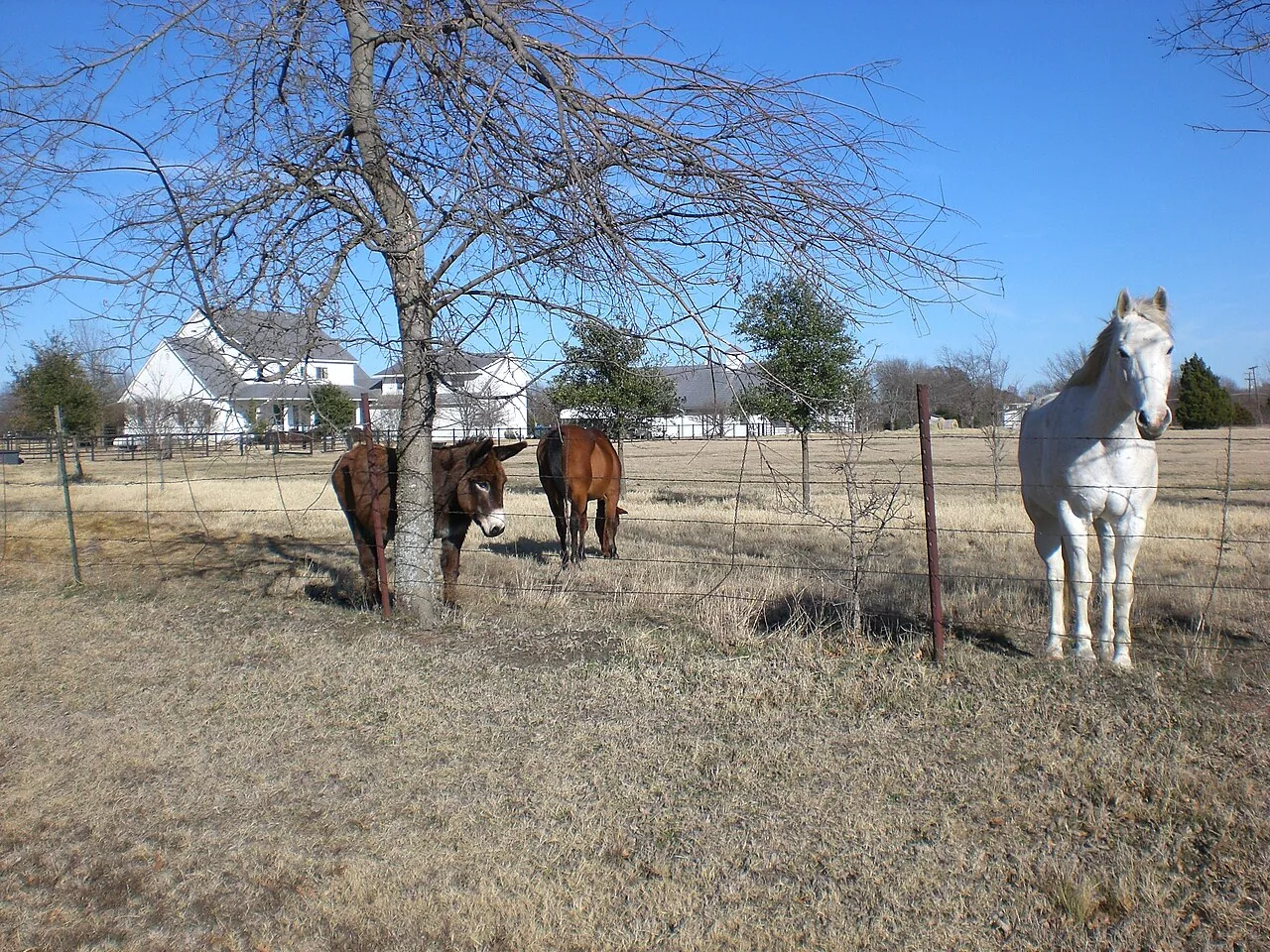
Commercial Roofing in Frisco, TX
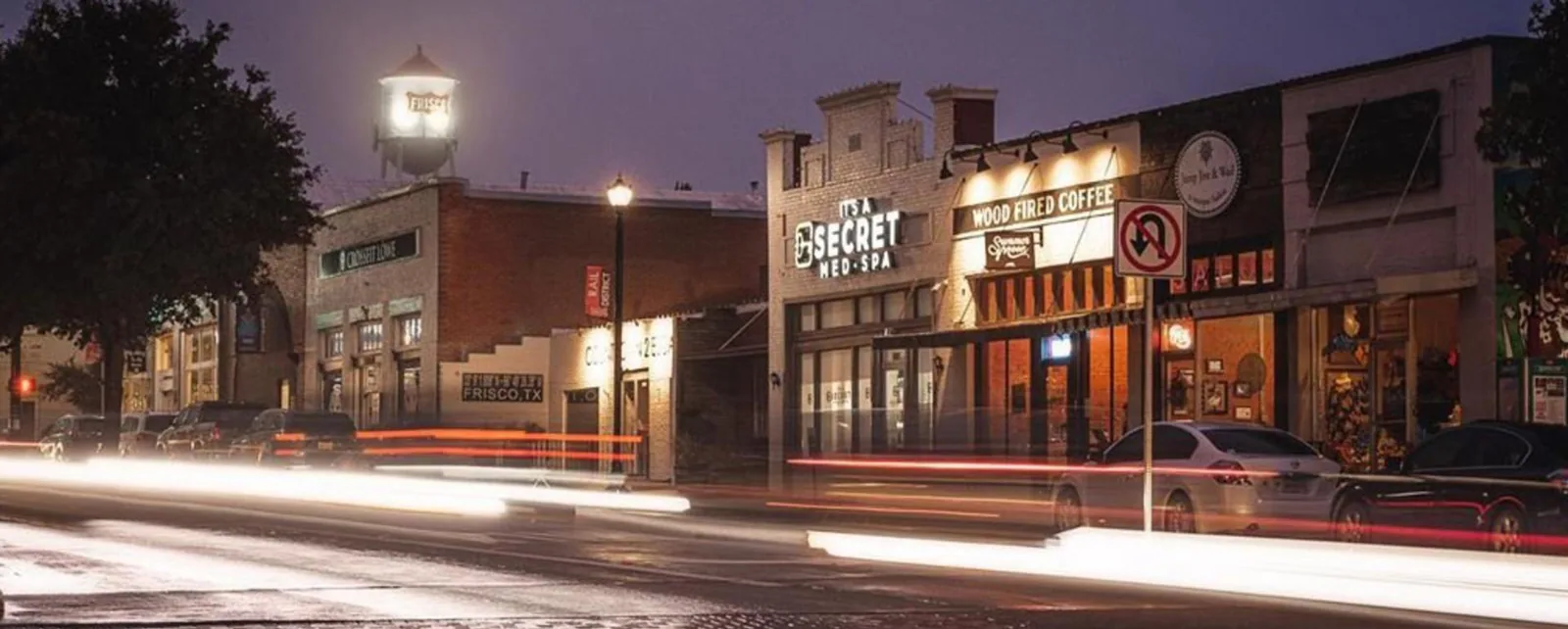
Frisco is a Collin County municipality in the connected North Texas highway network, including routes linked to US 75 and SH 121. We inspect each commercial building by roof assembly, access, use, and service history before recommending repair or renewal. The Allen service area and Plano service area can be coordinated as separate stops. The work order identifies the Frisco property, building contact, roof access, and reported condition so inspection findings stay tied to the site.
Tie each finding to the building inspected
An interior water report tells us where a facility noticed a symptom, not necessarily where the roof opening sits. We compare that report with seams, drains, curbs, parapets, penetrations, edge metal, and past repair areas. A room-side stain may sit downstream from an entry point; roof slope and deck channels can carry water before it surfaces. Photos should show the roof zone and nearby features so a property manager can locate the condition later. A commercial roof inspection records access limits, observed conditions, and any test needed before the repair boundary is set.
Before dispatch, confirm the property contact, roof access procedure, and whether a visit needs interior escort or tenant notice. If the building has several sections or additions, label them separately on the roof plan. Equipment screens can conceal membrane details, and active mechanical work may limit access around a curb. If a zone is not reached, identify it as uninspected rather than assuming it matches an adjacent area. The report should be useful to a facilities director who did not join the walk, with enough context to connect the photos, map, and recommended next action.
Review roof conditions after a storm
Spring is the peak severe-storm period across Dallas-Fort Worth, with hail, damaging wind, flooding, and tornadoes possible. After a reported event, we inspect accessible areas of the Frisco roof and document displaced edges, punctures, open seams, blocked drainage, or flashing movement. Compare findings with earlier records where available. If water is entering, temporary protection may be needed while permanent work is defined. A storm-related roof assessment should identify the surfaces checked and any access limits.
Summer heat changes the work conditions as well as the roof surface. Exposed membranes can age, metal expands and contracts, and afternoon storms can interrupt repair sequencing. We consider safe access and material conditions before beginning a weld, adhesive connection, or coating application. Drainage remains part of the review: an opening may not be the only reason water stays on the roof. The site record should separate storm-related observations from existing wear or maintenance needs. If the cause remains uncertain, identify the additional inspection or testing needed before setting the repair scope.
Confirm the material before repairing it
Frisco includes commercial buildings with different roof assemblies, access controls, and maintenance histories; the inspection confirms those conditions at the property. Each building may use a different membrane, bituminous assembly, coating, or metal roof. We check the surface and substrate, attachment, seams, flashing, drains, curbs, and edge conditions before specifying repair materials. A patch must connect to compatible, prepared material and a stable boundary. A coating is not a cure for saturated insulation, failed drainage, or an unstable deck. A written repair scope should name the assembly and describe what will be removed or restored.
When moisture may extend below the field, targeted testing can help determine whether a local repair is sufficient. If the roof has previous overlays, record what is visible and what remains concealed. A test opening can confirm layers at one point, but the report should not extend that result across an untested roof. Replacement selection depends on deck, insulation, drainage, attachment, edge details, equipment, access, and current code review. Owners comparing EPDM roofing with another assembly need a comparison that explains compatibility with the actual building rather than treating a system name as a complete design.
Schedule around tenants and facility operations
A commercial property may need deliveries, customer access, loading, mechanical service, or tenant activity to continue during roofing. Confirm staging and lift options, roof keys, interior protection, weather hold points, and who can approve an added repair before setting the work window. A phased occupied-building plan can sequence one zone at a time and define the expected closeout at each shift. Open penetrations and unfinished edges must receive a secure temporary detail before crews leave, particularly when a storm window is approaching.
If an owner schedules several nearby properties, a route can be coordinated across the city and neighboring service areas. Reports should still identify the property and roof boundary for each visit. Confirm whether one property contact can authorize access at every site or whether separate managers must approve the work. A mechanical shutdown, tenant notice, or delivery window may control the sequence more than the roof size. At the end of a phase, send a concise record of completed work, remaining scope, and any temporary protection so the next mobilization starts from known conditions.
Compare the options against the same evidence
A repair may be appropriate when a failed seam, flashing, or puncture is isolated and adjacent material remains serviceable. Repeated leaks, broad moisture, loose attachment, or deck deterioration can support a wider project. A recover is considered only after verifying existing layers, moisture, attachment, drainage, roof height, and code. Tear-off exposes concealed conditions but increases debris, weather protection, and interior coordination needs. A recover assessment and replacement estimate should use the same roof boundary and identify assumptions that depend on testing.
The proposal should show whether it includes insulation replacement, deck repair, edge metal, equipment coordination, temporary cover, disposal, and final inspection. Those items affect cost and duration, so a broad line labeled roof replacement is not enough for a facility director to compare. A targeted opening may refine the quantity before work starts. If a repair is selected to bridge a planned capital cycle, document its expected purpose, limits, and review date. That keeps interim water control distinct from full renewal and gives ownership an evidence-based next decision.
Keep a dated record for the next inspection
Retain the roof map, photos, system identification, repair materials, test results, approvals, closeout, and open items in one property file. If another trade changes a curb, conduit, or rooftop unit, record the date and request a review of the roof connection. A condition report can make reviews comparable over time while leaving each site's findings distinct. Note which areas were inaccessible. Do not characterize an unseen layer as dry or intact when it was not tested.
A useful record compares like with like: same roof zone, same photo direction, and the date of the earlier repair. If a drain was cleared, state whether ponding changed. If an edge was resecured, show the tie-in and adjacent material. When roof work is phased, save the temporary and final closeout separately so the facilities team knows which condition remains. North Texas heat and spring storms make timely review practical, but the maintenance interval should reflect the assembly, drainage, and observed condition rather than an unsupported universal rule.
Commercial Roofing Questions
Does a Frisco storm report show that our roof was hit?
No. We need to inspect the property and record observed conditions before connecting damage to an event.
Can you work while tenants remain in the building?
We can plan roof zones, access, protection, and daily closure around site operations.
What if a leak appears far from the roof opening?
We compare the interior report with roof details and use testing when concealed moisture could alter the repair.
How do you choose between repair and replacement?
The decision follows observed material condition, moisture, attachment, deck, drainage, and the owner's operating window.
Can a test on one roof section represent the whole property?
No. Results apply to the tested area unless additional zones are inspected.