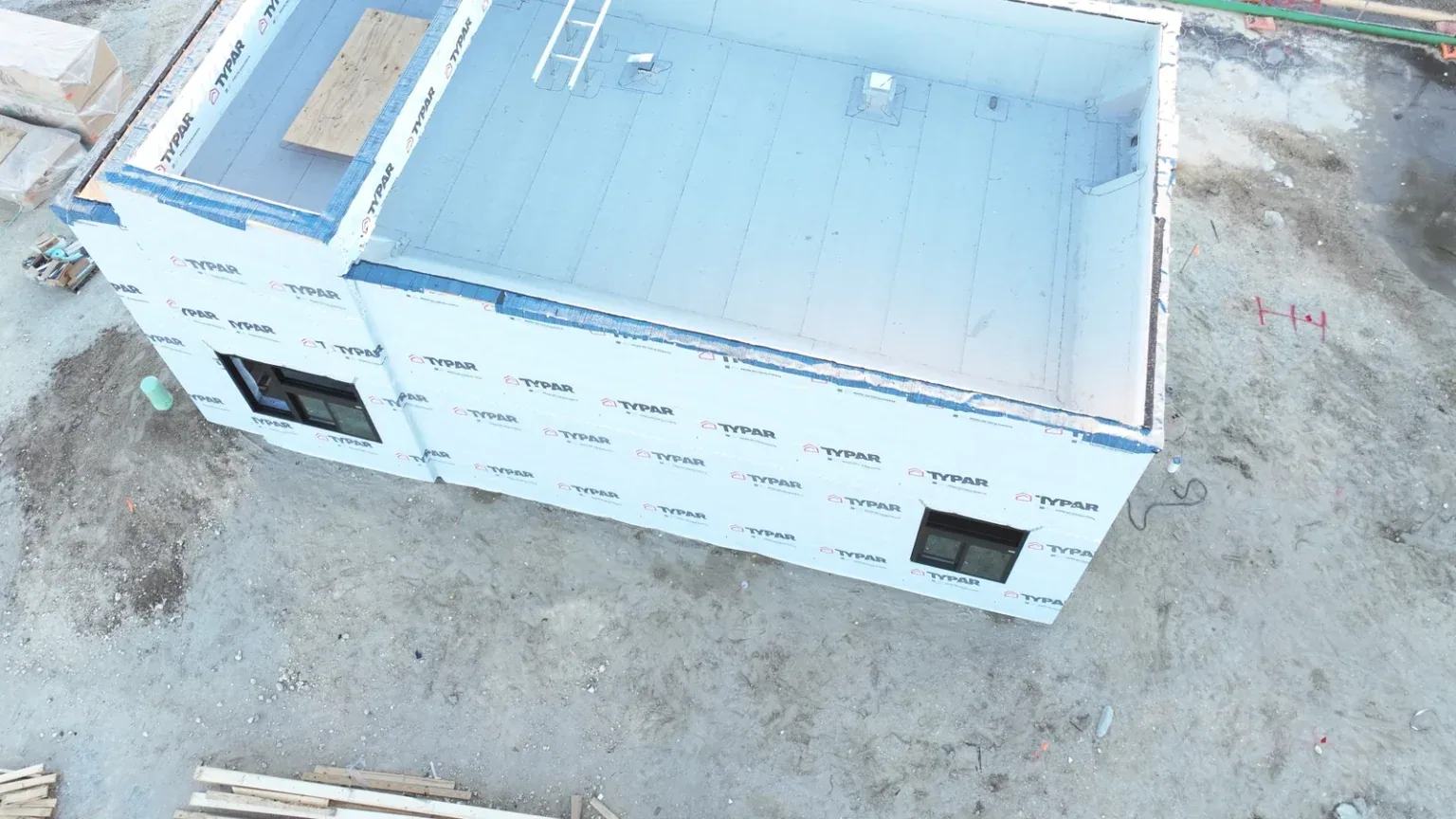
Commercial Spray Polyurethane Foam Roofing in Allen, TX
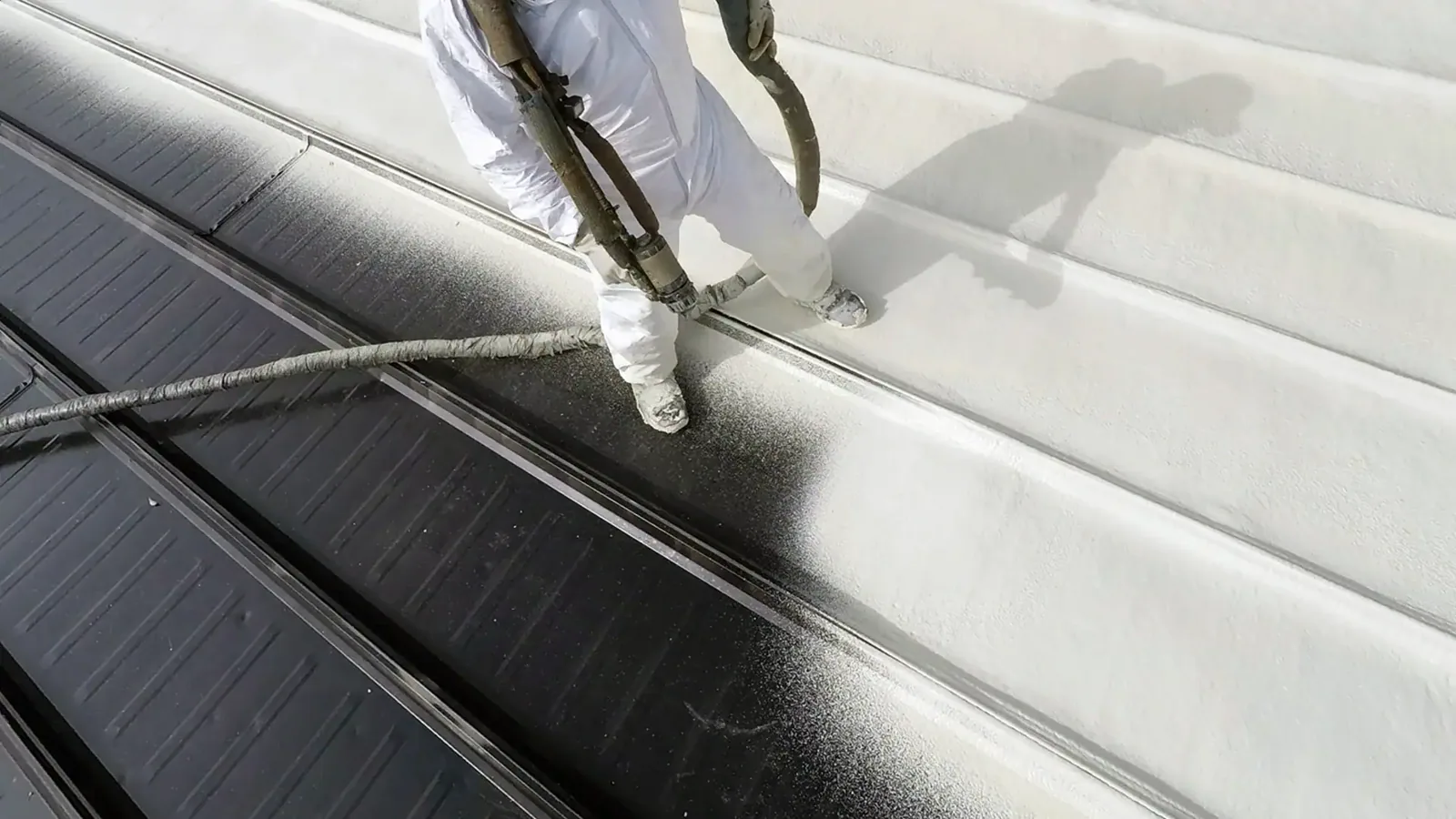
Spray polyurethane foam roofing is applied as a liquid that expands into a continuous insulation and waterproofing layer, then receives a protective coating. The details matter in Allen, where summer heat, humidity, and spring storms expose the foam surface to weather and rooftop service. We inspect the coating, foam profile, substrate, drains, and penetrations before deciding whether to restore, repair, or replace the system. Offices near Watters Creek and industrial or technology buildings at 121 Tech Park can have different equipment and traffic patterns. For commercial SPF roofing in Allen, we assess the existing system and document whether its foam core remains sound.
Understand the foam and protective coating
The foam forms a continuous layer that can follow roof contours and create slope toward drains. The exposed foam must be protected by a compatible coating system, which shields it from ultraviolet exposure and weather. Foam and coating perform as a combined assembly; an aged or thin coating leaves the foam vulnerable, while damaged foam cannot be restored by adding coating alone. We check surface thickness, adhesion, erosion, ponding, punctures, and prior repairs before defining the work.
Coatings have different chemistry, application limits, and recoat requirements. Silicone, acrylic, and polyurethane coatings are not interchangeable in every condition. The coating selection depends on existing material, water exposure, compatibility, and project specifications. A silicone coating system and an acrylic coating system each require review of the actual foam surface and drainage. We verify the existing coating type before cleaning or applying new material.
Inspect for foam damage beneath the finish
We look for cracks, blisters, exposed foam, erosion, surface voids, soft areas, and coating separation. Hail or dropped tools may puncture the coating and foam. Roof traffic can compress or scrape high points, especially around equipment service routes. Water that stands repeatedly in a low area may age the coating faster than the rest of the roof. Photographs and a roof map show where damage occurs and whether it follows drains, seams, curbs, or walk paths.
Suspect areas may need a small opening to check the foam and substrate. A moisture survey can help identify wet areas, but the coating surface, foam profile, and interior signs also matter. A roof inspection records the broad condition, while moisture testing can guide targeted verification. If the foam is wet, delaminated, or deteriorated, that section may need to be removed and resprayed before the coating is restored.
Correct slope and rooftop details
One advantage of sprayed foam is that it can be shaped to improve drainage, but a new layer cannot correct every structural low area. We check roof slope, drain bowls, scuppers, overflows, parapets, and equipment curbs. Ponding may come from a blocked outlet, compressed foam, or a deck that has deflected. The repair plan distinguishes coating work from foam reshaping or structural correction. Water should reach an outlet without collecting behind a curb or at a wall transition.
At drains, foam and coating need a durable tie-in to the drain bowl. At penetrations, the foam profile should direct water away, and flashing must connect with the coating system. Edge terminations should resist wind and keep water out of the assembly. A drainage review can address outlets. Allen's heavy rain and storm exposure make clear overflow paths especially important for commercial buildings.
Restore the coating without hiding defects
Before a recoat, the roof needs cleaning, drying, and repair of damaged foam. We remove loose coating, fill voids, rebuild penetrations, and apply the primer or reinforcement specified for the system. Coating thickness and coverage must match the project design, with extra attention at seams, drains, and transitions. We do not coat over wet foam or failed layers that cannot support adhesion. The scope lists the areas restored and any section excluded from the work.
A recoat may extend service when the foam and attachment remain sound, but it cannot renew a deteriorated core or correct a failing substrate. If damage is broad, we compare repair and replacement. A coating restoration evaluation can determine whether the existing surface is suitable, while roof replacement may be considered where foam or deck damage is extensive. We identify which existing layers remain so the owner understands the limits of the restored surface. Cost reflects the amount of foam removal, coating buildup, repair of drains and curbs, protection of rooftop equipment, and weather windows available for spraying and cure.
Control application and building access
Spray foam is installed with specialized equipment and application controls. Substrate moisture, temperature, wind, and humidity can affect adhesion and the finished foam profile. The crew masks adjacent equipment and surfaces, protects air intakes, and coordinates work with facility staff to limit overspray exposure. Work may need to pause when conditions fall outside the product's application limits. We schedule access and ventilation considerations before material is applied. The applicator controls pass thickness and overlap so foam fills the design area without voids or abrupt ridges. After it cures, the surface is trimmed or prepared as needed, and the coating is applied within its stated recoat window.
Allen's high summer temperatures can affect crew safety and roof surface conditions. The work plan should include where equipment is staged, how roof access is controlled, and which interior areas need notice. If the building is occupied, we coordinate air handling, tenant schedules, rooftop unit service, and the daily return to a weather-secure condition. Cost and timing depend on foam removal, surface preparation, repairs, coating coverage, access, and application weather. If an unexpected wet or damaged area appears, we photograph it and discuss the changed scope before covering it.
Maintain the protective surface
SPF roofs need periodic inspection of the coating because the foam is vulnerable when exposed. Check for thin or worn coating, cracks, punctures, blisters, erosion, open flashing, and blocked drains. Repair damage before water reaches or spreads through the foam. Limit traffic to designated paths, and use compatible walkway protection around HVAC equipment. Coating wear near exhausts or chemical discharge should be reviewed for compatibility before cleaning or recoating.
Allen's weather cycle makes post-storm and seasonal checks useful, particularly around low areas and service routes. A regular roof visit can track coating condition, while a condition report keeps photographs, repairs, and next review dates in the property file. Retain the SPF and coating product information, application date, and repair history so future work can use compatible materials. The owner should also maintain roof access rules for mechanical trades and contractors. At completion, inspect coating around parapets, drain entrances, and cut edges to confirm no foam remains exposed. Inspect corners and flashing before reopening roof traffic.
Commercial Roofing Questions
What protects spray foam from sunlight?
A specified roof coating protects the foam surface from weather and ultraviolet exposure. Its condition and thickness need periodic inspection.
Can a new coating fix damaged foam?
No. Exposed, wet, or deteriorated foam needs repair or replacement before a compatible coating is applied.
Can SPF roofing correct ponding water?
Sprayed foam can be shaped to improve slope when the roof and drainage design support it. Structural deflection or a blocked outlet needs separate correction.
How do you know whether an SPF roof can be recoated?
We inspect coating adhesion, thickness, foam condition, moisture, drainage, and previous repairs. The existing coating chemistry must be identified.
Can the building remain occupied during SPF work?
Often, with planning for air intakes, equipment, staging, access, overspray controls, and tenant notice. Application conditions may change the schedule.