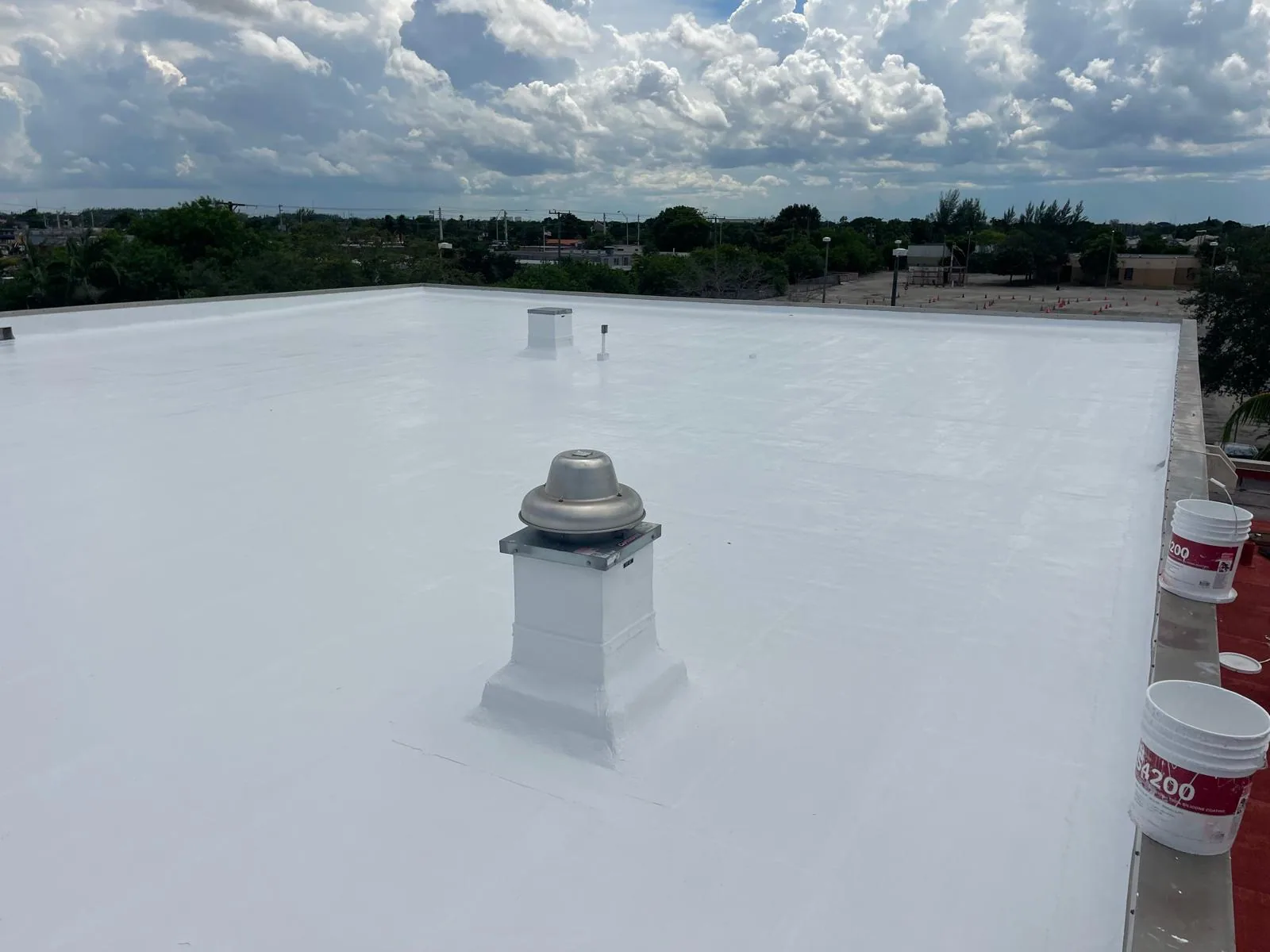
Commercial Acrylic Roof Coatings in Allen, TX
Acrylic roof coating can renew a sound roof surface, but it needs the right drainage and weather window. In Allen, hot summers can make a reflective coating appealing, while spring storms bring rain that can interrupt application and cure. We inspect the existing roof, ponding areas, seams, and penetrations before considering an acrylic system. A coating cannot repair wet insulation, loose membrane, or a standing-water problem that has not been corrected. Office roofs around Watters Creek and industrial properties at 121 Tech Park may have different access constraints. For commercial acrylic roof coating in Allen, we check the assembly first and define what preparation and repairs are required.
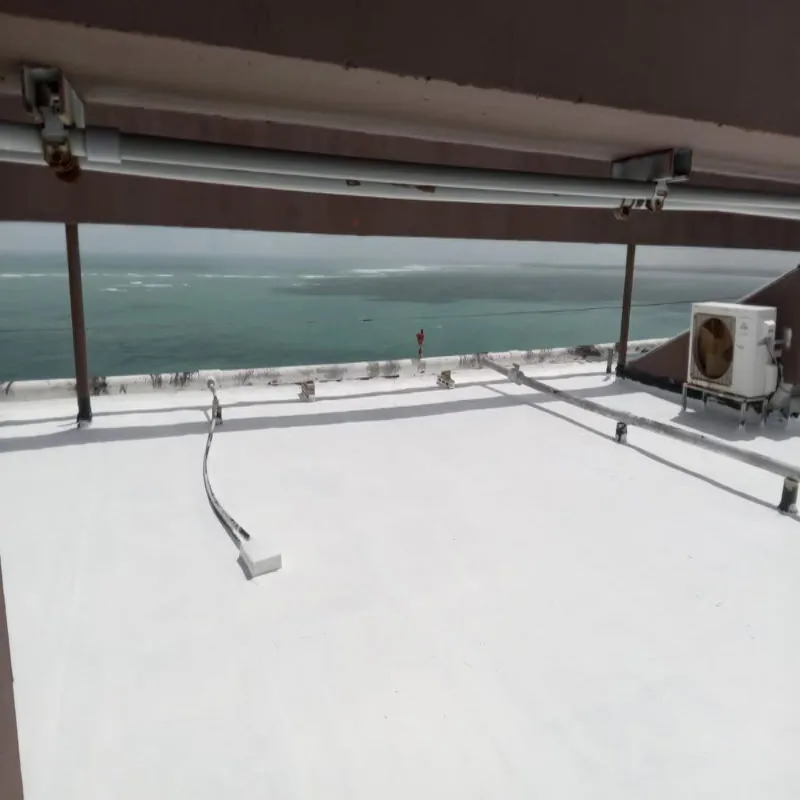
Use acrylic where water can drain
Acrylic systems are water-based elastomeric roof coatings used on compatible, sound roof surfaces. Product limitations matter: some acrylic products are not intended for low-slope roofs with ponding water. We inspect whether water drains within a reasonable period, whether outlets are clear, and whether a low area is caused by a blocked drain, settled insulation, or deck deflection. If water persists, we address the cause or select a system suited to the actual conditions.
Surface shape also matters. A coating must adhere across the field and tie into seams, curbs, walls, and edge details. Existing elastomeric coating, metal, asphalt, SPF, and aged single-ply roofs may have different preparation requirements. We identify the substrate and review product data instead of assuming one acrylic system works over every surface. If an existing roof has ponding concerns, a silicone coating system may be worth comparing, subject to its own compatibility and installation requirements. For a foam roof, a spray-foam system review can check exposed foam and protective coating condition.
Confirm the roof is dry and stable
Before coating, we inspect seams, flashing, fasteners, drains, parapets, and previous repairs. Loose material, wet insulation, active leaks, and unstable attachment must be addressed. A surface that feels firm may still hide moisture below the membrane. Testing can help locate suspect areas, and selective openings may be needed before the owner approves coating. Applying acrylic to a roof with trapped moisture can leave the original defect active.
Existing asphaltic roofs may bleed oils or staining compounds through a water-based coating. A compatible base coat or bleed-blocking step may be specified for some substrates. Metal roofs may need rust treatment, fastener work, seam reinforcement, or primer. Silicone and other coatings can affect adhesion, so the existing chemistry should be confirmed. A roof inspection can map defects and details, while a moisture survey may guide verification. We document the test area, the result, and any conditions that remain unknown.
Correct drains and low areas first
Acrylic coating should not be expected to erase a ponding problem. We check drain bowls, scuppers, overflows, slope, and the direction water travels across the roof. Debris may block a strainer; insulation may be compressed; a low deck may create a depression. The repair is different for each cause. If the outlet is damaged, coating preparation may expose the bowl and membrane interface that need rebuilding before the field is covered.
Drain flashing, curb bases, skylights, and wall transitions receive detail reinforcement when the system requires it. Coating coverage must continue through those interfaces without blocking strainers or overflow paths. A drainage inspection can address outlets, and any leaking curb or skylight needs repair before coating. Allen's summer downpours and spring storms make unobstructed drainage important even when the field coating is intact. If a roof continues to hold water, the owner may need a slope or assembly correction before selecting a surface renewal.
Prepare the surface for adhesion
Acrylic application requires a clean, dry, prepared substrate. We remove dirt, chalk, mildew, loose coating, oil, rust, or other contamination as the product requires. Repairs and reinforcement are installed before the field coat. Adhesion tests can confirm whether the selected system bonds to the roof. Primers or base coats may be needed, and the correct recoat interval between layers should be observed.
Water-based coatings need conditions that allow water to evaporate and the film to cure. Temperature, humidity, dew point, wind, and incoming rain all affect the work window. In Allen, afternoon heat can warm the roof surface quickly, while humid air may lengthen drying time. We schedule work within product limits rather than treating a forecast high temperature as the only factor. The facility manager should plan roof access, HVAC air intake protection, and rooftop equipment service during application.
Build coverage and detail reinforcement
The specified coating coverage and dry-film thickness determine the completed system. We apply the required number of coats and reinforce seams, fasteners, corners, and transitions where the design calls for it. The amount of material needed depends on surface profile, porosity, roughness, color change, and product specification. Roof peaks, laps, and fastener heads can consume more material than a smooth field. We measure usage and inspect coverage while work is under way.
Coating should not be stretched thin to cover more roof area. A surface can look white and still fall below the specified thickness. We document each area, including repaired details and sections left out of the scope. Rooftop traffic stays restricted until the product cures. If rain reaches an uncured section, we inspect it and determine whether another application is required. A project closeout records product, preparation, repair, coverage, and cure conditions for the building team.
Compare restoration with a new assembly
Acrylic coating may be economical when the existing roof is dry, attached, and has a surface suitable for renewal. If the membrane is near the end of service, insulation is wet, or details are failing broadly, restoration can defer a larger repair without correcting the assembly. We compare the preparation and repair scope with the cost and disruption of replacement. The owner should know what material remains under the coating and which areas need future inspection.
Allen's heat and storm exposure affect when repairs should be made and how often the surface is checked. A coating restoration assessment can define preparation and coverage. If the roof cannot accept another layer, a replacement evaluation can address insulation, drainage, and attachment as one project. A reflective coating can reduce solar absorption at the roof surface, but energy results depend on insulation, HVAC, occupancy, and operating practices.
Inspect coating and drainage after application
After installation, inspect for thin spots, cracks, peeling, punctures, algae or dirt buildup, open seams, and coating wear near service paths. Keep drains and scuppers clear so standing water does not exceed the system's intended use. A repair should use compatible material and proper surface preparation; applying another acrylic layer to a dirty or poorly bonded surface can cause separation. Rooftop trades should use designated paths and report any cut, scrape, or dropped fastener.
Allen facilities can check the roof after spring storms and equipment work. Regular roof service can track drainage and coating condition, and a condition report can retain photos, test results, and repair boundaries. Keep the coating product information with the roof file so future cleaning and reapplication follow the correct instructions. The owner can then compare the roof's actual performance with the maintenance plan rather than relying on the surface color as a condition indicator.
Commercial Roofing Questions
Can acrylic coating go over a roof with ponding water?
Some acrylic products are not intended for low-slope surfaces with ponding. We check the drainage condition and select a system only if the substrate and product requirements match.
Does acrylic coating fix a roof leak?
Only after the leak path and affected assembly are repaired. Wet insulation, open seams, and failed flashing need correction before coating.
How does rain affect acrylic coating work?
The surface needs time to dry and cure. Forecast rain, humidity, temperature, and product instructions determine when the roof can be coated.
Can an acrylic coating cover an old roof coating?
Sometimes. We identify the existing material, clean and prepare it, and test adhesion when compatibility is uncertain.
Will a white acrylic coating lower our energy use?
It can reduce solar absorption at the roof surface, but building energy use depends on the full assembly, HVAC, occupancy, and operations.