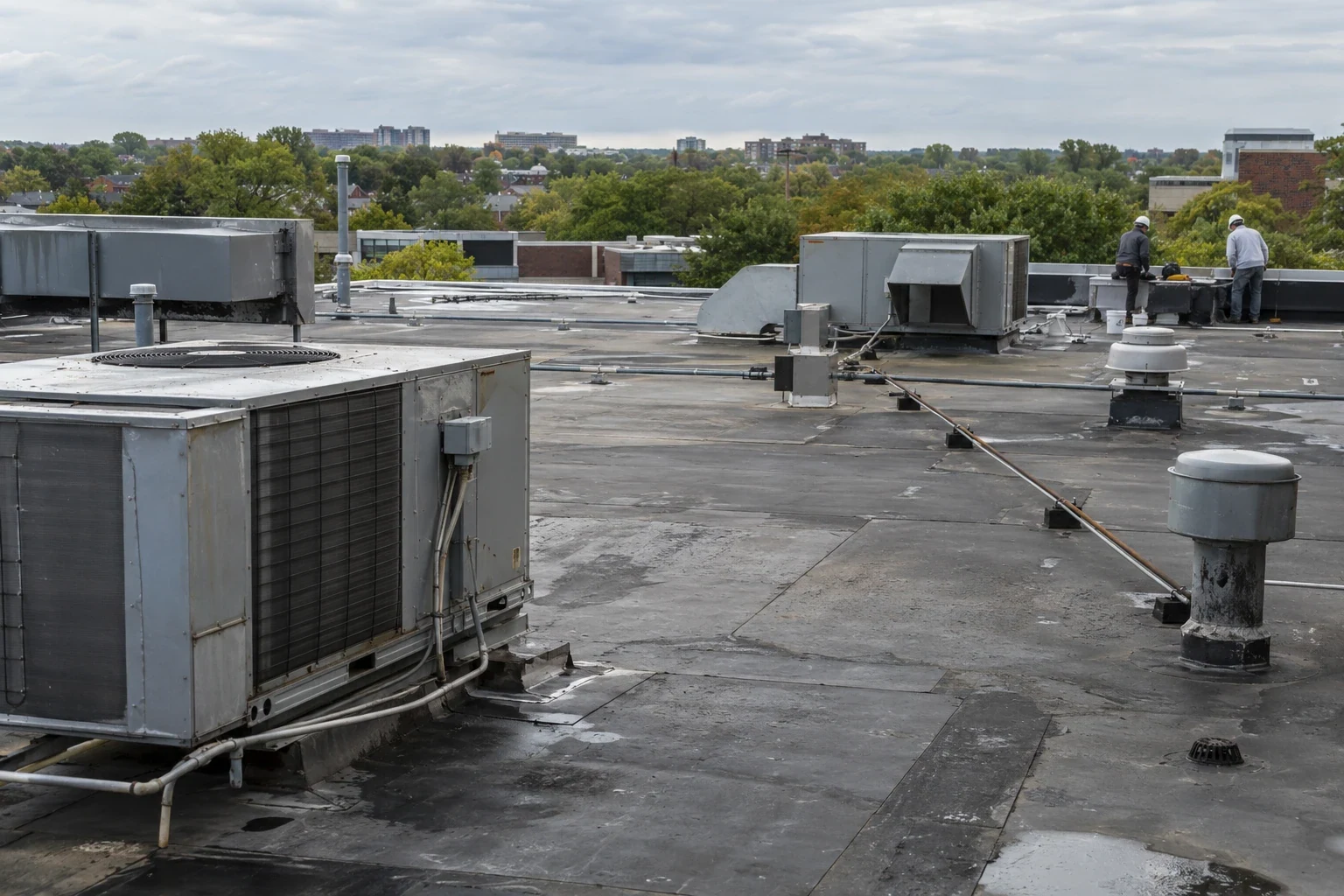
Commercial Roofing for Retail and Restaurant Chains in Allen, TX
A retail or restaurant chain needs consistent roof records without assuming every location has the same assembly or tenant condition. Allen's commercial destinations include Allen Premium Outlets, Watters Creek, and retail activity near Stacy Road. A chain may operate freestanding stores, mixed-use properties, and restaurant sites with different service hours. We coordinate commercial roof work in Allen by property and operating need.
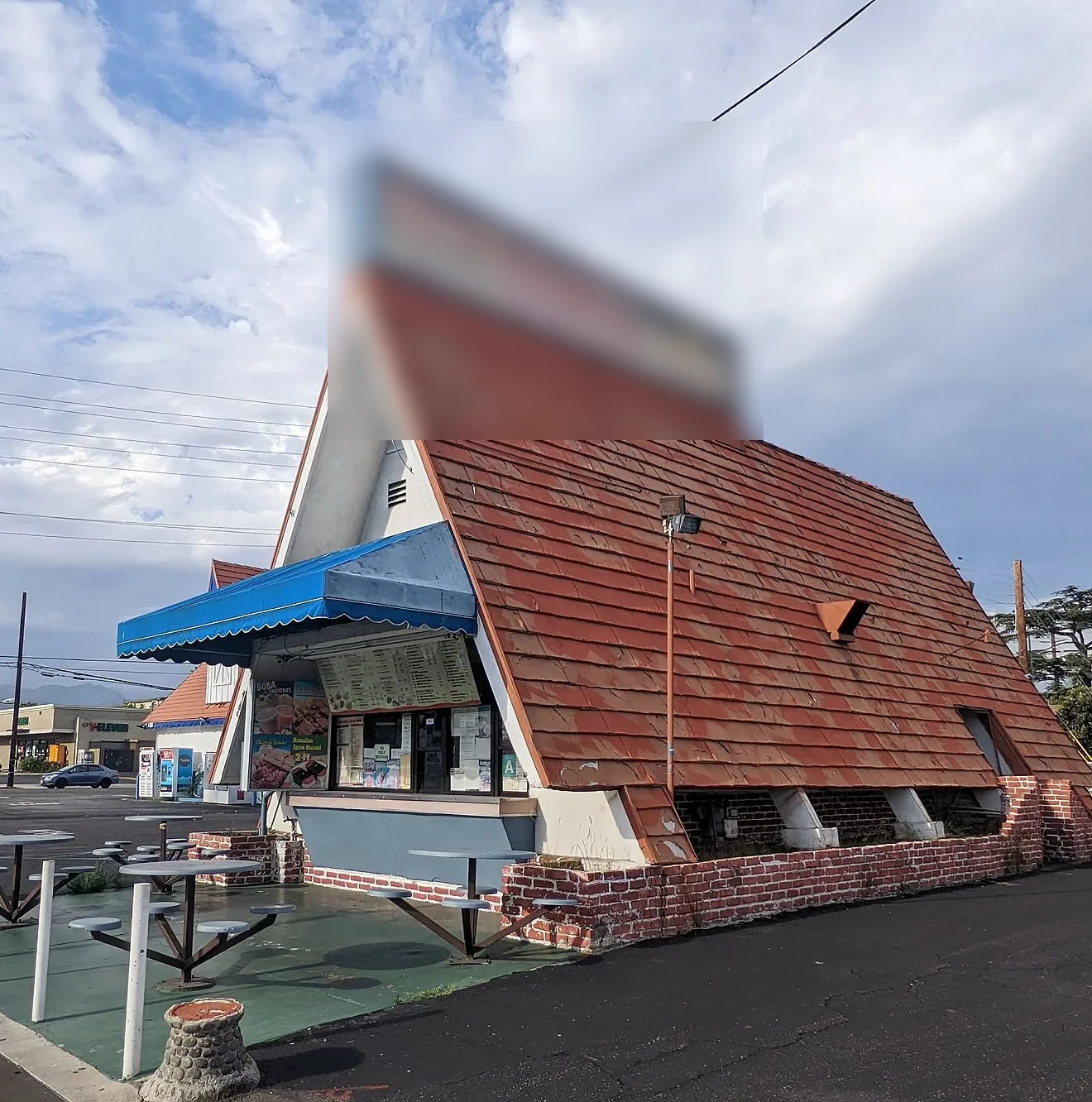
Use common records, keep each location distinct
A portfolio report can use the same fields for roof type, active leak, drainage, repair history, and next action. Each entry still needs a property-specific photo, map, and access note. The roof at one store does not establish conditions at another, even when both locations share a design or contractor. We identify whether a finding is confirmed, suspected, or inaccessible so regional teams can prioritize without creating a blanket conclusion.
A multi-site roof program can group inspections and work orders across a region, while preserving building-level recommendations. An operations lead can compare locations by urgency and schedule. Property management coordination helps where stores share a shopping center or lease obligations. The chain can keep property files, tenant reports, and vendor access notes connected without exposing customer data in a roofing record.
Plan work around sales and meal periods
Store managers identify opening hours, delivery periods, peak customer traffic, kitchen schedules, and areas where temporary noise or access restriction is difficult. Material staging or lift use can affect parking even when roof repairs are above a back-of-house room. We coordinate the route, barrier placement, and work window with the local contact. If operations vary by day, the schedule is set for that specific site rather than copied from another location.
A phased job can keep unaffected rooms in use when tie-ins, weather, and equipment access allow. At a restaurant, hood exhaust and refrigeration may need separate coordination; a retail sales floor has its own merchandise and customer routes. Restaurant roof work addresses kitchen conditions, while shopping center roofing accounts for common areas and multiple tenants. The work plan names which entrances or loading zones are affected during each phase.
Verify leak reports at the property
A store report may identify a stained tile, wet stockroom, or water near a kitchen fixture. We compare the report with roof slope, seams, drains, curbs, flashing, and previous repairs. The visible interior location may be apart from the roof entry because water travels through insulation or along the deck. The inspection confirms the source and maps the repair boundary.
We check membrane condition, edge metal, penetrations, equipment supports, skylights, and drainage. A commercial roof inspection provides photos tied to roof zones and identifies where testing may confirm hidden moisture. If inventory or food is affected, store teams can arrange protection while the roof cause is examined. The record separates temporary interior response from the permanent assembly repair.
Coordinate roof work with store vendors
Retail and restaurant locations may have rooftop HVAC, refrigeration, hood exhaust, signage wiring, and communications equipment. Vendor work can disturb flashing or leave an abandoned opening when a unit is moved. We inspect curbs and supports and coordinate the final equipment position with the responsible contractor before the roof is closed. A service path and drain access should remain available for future visits.
Chain facilities can use a vendor closeout step requiring contractors to report roof access, damaged membrane, or a disturbed detail. This creates a maintenance record at the site rather than relying on a later leak report. A property-specific roof condition report captures repairs and open items. Hospitality groups can have additional guest and event schedules, so hospitality roof coordination treats those locations separately.
Prioritize checks after local storms
DFW summers regularly reach or exceed 100°F, and spring is the region's main severe-thunderstorm season. Heat, hail, wind, and convective rain can affect exposed roof materials and drainage. Regional weather does not prove that an individual store or restaurant was hit. After a reported event, we inspect actual conditions at the location, photograph visible impacts, and compare them with prior records if available.
Drains and scuppers are checked after heavy rain, especially around screens and parapets where debris can collect. We note blocked outlets, ponding, open seams, loose edge metal, and any interior report. Active water is prioritized for protection; other findings can be scheduled according to site access and operations. This keeps a regional response focused on the locations with observed need.
Compare repair work across the location set
Localized defects may support a patch when surrounding material remains sound. Recurring leaks, broad wet insulation, failing attachment, or deck damage can justify a larger project. We map confirmed conditions by site and identify where further testing is needed. Recovery depends on moisture, attachment, roof height, drainage, and local requirements. Tear-off exposes the existing layers but brings more debris and interior protection work.
Cost and timing differ by roof assembly, equipment density, access, staging, operating hours, and removal limits. A program budget should keep those assumptions visible instead of assigning one average scope to every store. A maintenance plan tracks drains and repairs between renewals. Big-box retail roofing addresses large single-tenant buildings, while a restaurant location may need exhaust-focused details. Each proposal should say what is included and which condition might change after opening.
Keep the roof file through remodels and transfers
When a site remodels, changes kitchen equipment, or transfers to a new manager, roof records should follow the property. The file can include photos, work orders, test results, warranties provided by the system, and next inspection dates. We document completed work and open items so the next site lead does not treat a temporary protection measure as a permanent repair.
Before a chain releases a facility for roof work, local staff can confirm staging, inventory protection, roof access, customer routes, and the point of contact. At closeout, the report identifies what was repaired and whether testing remains. Regional teams can then compare maintenance needs across Allen locations, including Watters Creek and Allen Premium Outlets, without transferring roof conditions from one property to another.
When a location changes ownership or management, the new contact can review the roof map, prior repairs, and any temporary measure still in place. We can identify which roof zones were inspected and which ones could not be reached. That handoff prevents an open work item from disappearing when a local manager leaves and keeps the next scheduled inspection focused on remaining questions.
For a remodel, the chain can coordinate new exhaust, rooftop units, signage, and canopy changes with the roofing plan. Final equipment placement should be established before the roof is closed around a curb. A post-project inspection can confirm that penetrations and drainage remain serviceable and record any new access route used by contractors.
Commercial Roofing Questions
How do you manage roofing at multiple stores?
Each property receives an individual roof map and condition record. A shared portfolio format can organize priorities without assuming the buildings have identical systems or defects.
Can a store remain open during roof work?
A phased project may keep unaffected areas operating when access, staging, weather protection, and customer routes are coordinated. The store manager identifies local hours and constraints.
What should happen after a vendor services rooftop equipment?
The vendor should report roof access, unit changes, and any disturbed flashing or membrane. The chain can retain that note with the store roof and equipment records.
How do you respond to a regional storm across many locations?
We schedule inspections where reports or observed conditions indicate need, then document each property separately. Weather affecting one area does not prove damage at every site.
What drives the timing of a chain-wide replacement?
Roof condition, active water, equipment access, store calendar, material scope, and available staging vary by property. We phase work by location and document each recommendation.