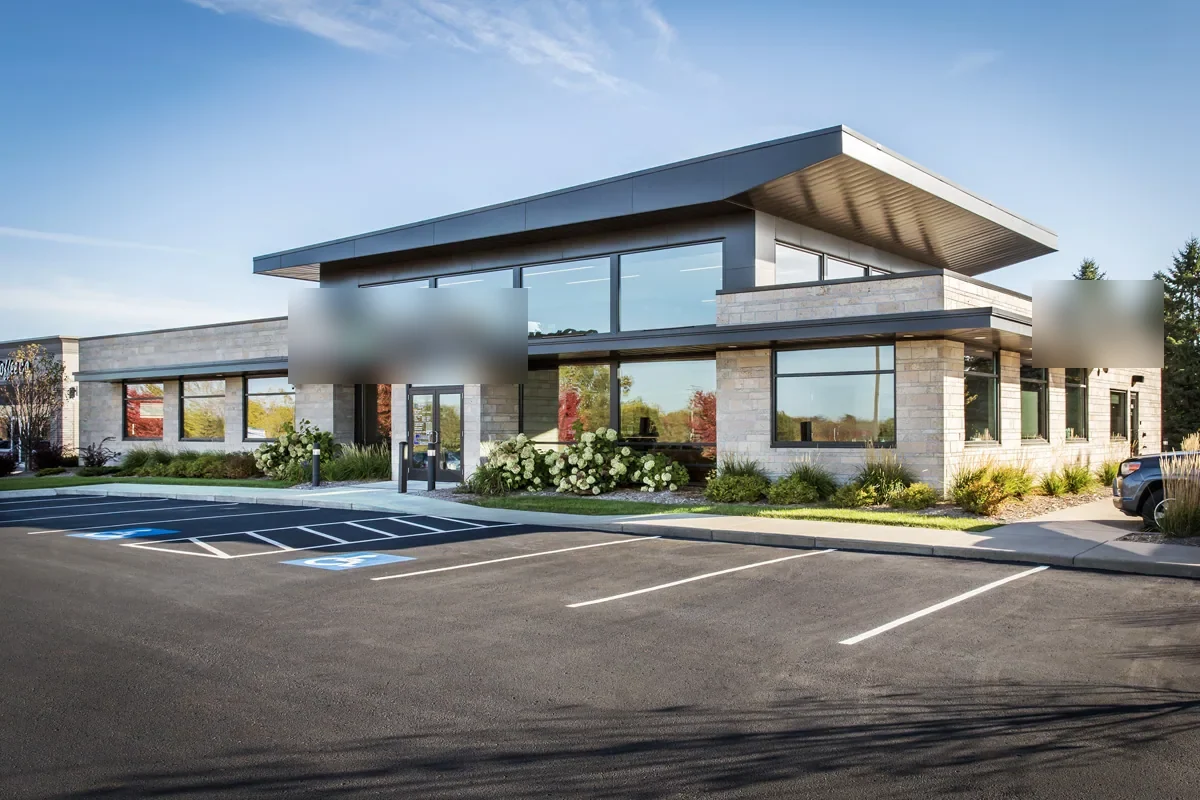
Commercial Roofing for Public Agencies in Allen, TX
Public agencies need roof findings that support building operations, procurement review, and a defensible capital decision. Allen Central Business District includes civic, cultural, and historic destinations. Allen’s adopted building and energy codes set the starting point for project review. We assess public facilities in Allen by roof zone, use, access requirements, and the evidence available at each building.
Build a scope that can be compared in public review
A procurement package is easier to evaluate when the work area, system, removal limits, deck assumptions, access, staging, and closeout are stated. We document what was seen and which areas remain concealed. If testing is needed to define moisture, the agency can decide whether to perform it before bid or include a controlled allowance. A broad condition phrase does not tell a buyer what work is actually priced.
Allen uses the 2021 editions of the IBC and IECC, with current amendments and permit requirements to be confirmed for the project. We identify the proposed scope and coordinate the review needed before setting a schedule. For public buildings, materials, safety routes, debris handling, and working hours can affect both cost and the bid timeline.
Keep findings distinct across agency buildings
An agency may operate offices, service counters, community facilities, and public works buildings that use different roof assemblies. We record material type, drainage, equipment, repair history, visible deck condition, and access limitations for each property. A leak in one building does not establish a condition at another. A consistent reporting method supports review while keeping each finding tied to the roof inspected.
Downtown Allen and its civic destinations present a different operating context from properties near Stacy Road. The work sequence should reflect how each building is used. A government building roof plan can address public entry and service availability, while school district roof planning focuses on campus operations. Agencies can compare those records without assuming they share construction or condition.
Document the condition behind the work request
A stain at a service counter or staff office may be several feet away from the roof entry. We trace likely water paths using roof slope, drains, seams, penetrations, wall transitions, and previous repairs. The building contact identifies the affected room and any limits on access. The condition record focuses on the building, not on confidential information handled by the agency.
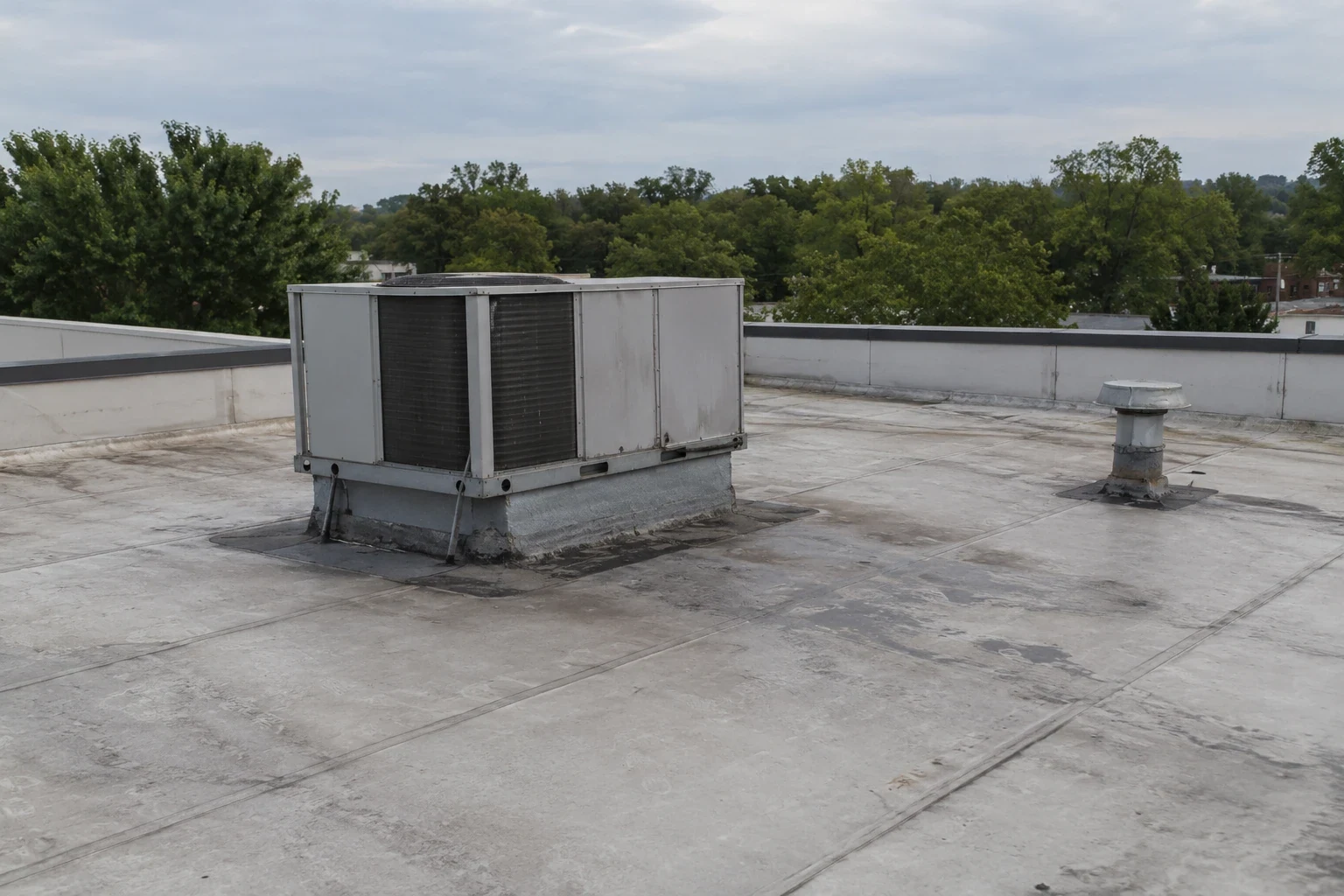
A commercial roof inspection maps visible findings and notes whether a test opening could confirm wet insulation. Photographs are tied to roof sections and work orders. Confirmed damage is separated from suspected moisture and inaccessible areas so procurement staff can see where the bid is firm and where additional investigation may change the scope. The same map can guide closeout after repair.
Preserve public access during roof work
Public hours, counters, meeting rooms, accessible routes, fire lanes, and security screening shape staging and material movement. We coordinate with the facility lead on when a lift can arrive and which entrance must remain open. If a short closure is needed, the work notice can name the entrance and time window. Debris routes and equipment storage should remain away from public circulation.
Phased reroofing can let services continue in unaffected sections when the roof assembly and temporary tie-ins allow it. The daily plan specifies the work area, protection below, and end-of-shift condition. An occupied-building work sequence can coordinate this with facility operations. When an agency has concurrent construction, a general contractor coordination plan defines deck, curb, and flashing interfaces with other trades.
Use Allen weather and drainage context
The local roof calendar has two notable weather pressures: Dallas-Fort Worth's hottest period can exceed 100°F, and the region's severe storms cluster in spring. Heat, hail, wind, and heavy rain inform inspection timing. After a reported storm, we photograph conditions at the agency building, note displaced edges or open seams, and compare them with prior records.
Drains, scuppers, low points, and parapets need review after convective rain. A blocked outlet can lead to ponding, while a persistent depression may require a different investigation. We record the flow path and identify any active water risk around public areas. A maintenance schedule can revisit drains and completed repairs between larger projects so facility staff can track completed maintenance and conditions that still need review.
Compare immediate repairs with capital renewal
When a defect is isolated and adjacent layers remain serviceable, a focused repair may suffice. Broad saturation, repeat leakage, loose attachment, or a deteriorated deck can justify full renewal. We map confirmed conditions, test areas, and serviceable sections before comparing repair, recover, or tear-off. Recovery depends on moisture, attachment, roof height, drainage, and applicable requirements; removal exposes hidden material but requires more protection and disposal planning.
Cost and duration depend on assembly layers, deck work, equipment, access controls, work hours, and staging. The proposal should state what could change after opening the roof and who approves that change. A condition report can support budgeting and track follow-up testing. The agency can then coordinate repair scope with funding approval and keep urgent protection separate from longer-term replacement.
Keep procurement and facilities records aligned
After completion, records should identify installed materials, repaired zones, photos, remaining items, and inspection dates. Facilities can attach those notes to the public asset record and procurement file. That helps staff respond to a new leak without confusing a prior roof opening with an area that was not inspected.
Closeout also records roof access changes, equipment work, and any maintenance item left for follow-up. The next project team can identify where other contractors may have altered a curb or penetration. If another agency building is scheduled for work, the same documentation fields can support comparison while retaining the property's unique conditions. This keeps the capital record useful through staff, vendor, and budget-cycle changes.
Before work is authorized, the agency can confirm site access rules, security contacts, material storage, delivery windows, and the areas that need public notice. The crew should know where to report at arrival and who can approve a change in the work boundary. These controls reduce confusion when a hidden condition requires a pause or an updated plan. The closeout then states which areas were completed and what remains scheduled for later review.
A public owner may need to retain the inspection report, approved scope, change documentation, and completion photos together. Those records make it possible to answer future questions about what was visible, what was repaired, and what was excluded. The file should also identify the next inspection date and the staff role responsible for follow-up, especially when buildings are maintained by different departments.
Commercial Roofing Questions
What makes a roof bid comparable for an agency?
The bid should define the roof system, work limits, removal, deck assumptions, access, schedule, staging, temporary protection, and closeout. Any test needs or exclusions should be explicit.
Does a public building reroof need a permit?
Permit requirements depend on scope and current city amendments. We identify the work proposed and coordinate the applicable review before construction starts.
How do you keep public services open?
The sequence identifies entrances, public hours, access routes, staging, and any temporary closures. Work can be phased when the roof assembly and weather protection support it.
What should be documented after an agency roof inspection?
Map the roof zones, photos, observed defects, test areas, access limitations, and recommended actions. The record should distinguish confirmed conditions from areas that remain concealed.
How do agencies decide between repair and replacement?
We compare moisture extent, attachment, repeated defects, deck condition, and serviceability. The recommendation ties the scope to confirmed findings and states what could change after opening.