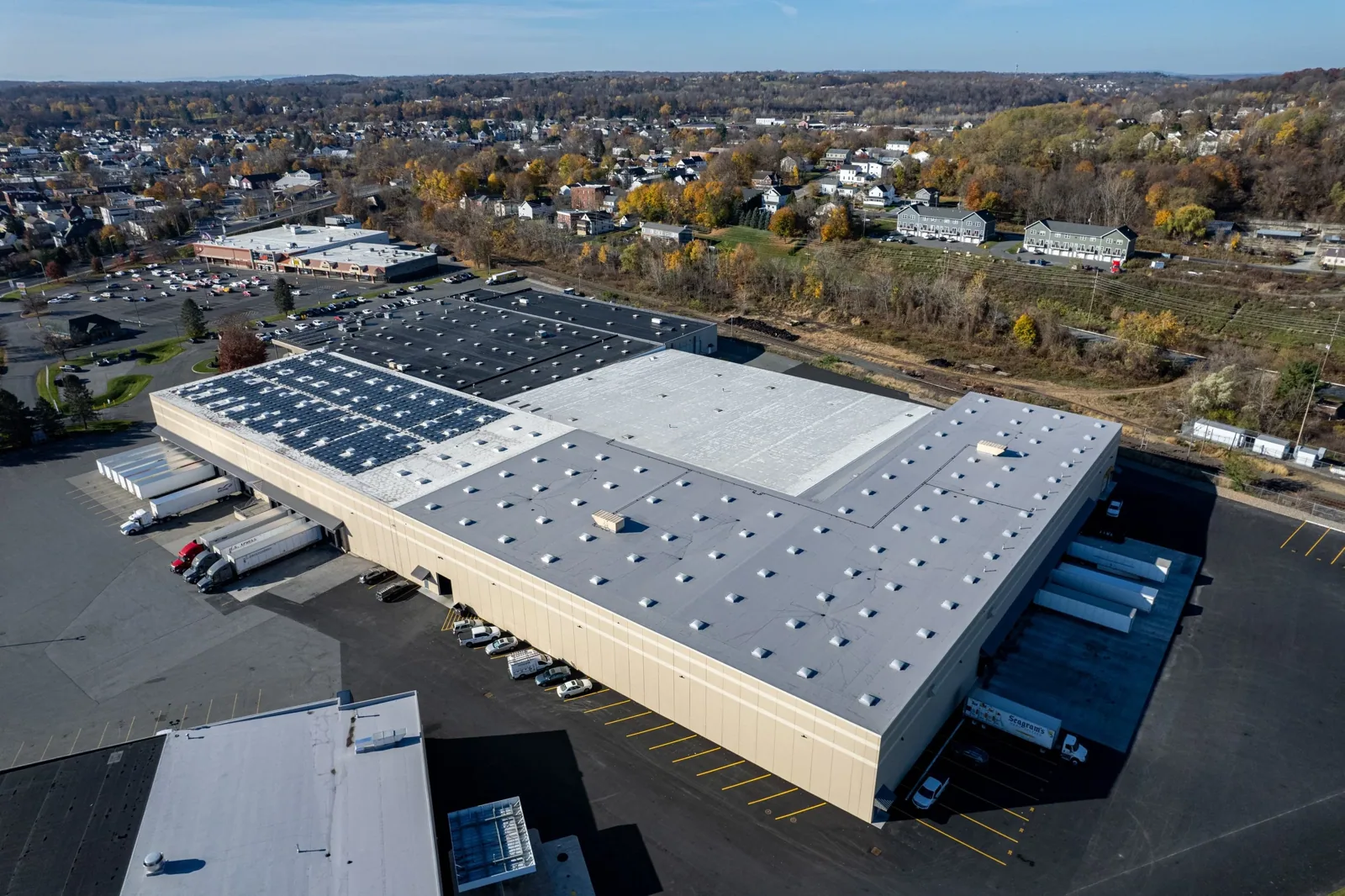
Commercial Skylight and Roof Penetration Flashing in Allen, TX
A leak beside a skylight or rooftop unit often starts where two materials meet. In Allen, wind-driven rain during spring storms can test those interfaces, while summer heat moves roof membranes and metal around curbs. We inspect the penetration, its flashing, the surrounding roof field, and the interior symptoms before defining a repair. The goal is to identify how the opening is formed and whether the surrounding assembly is still sound. Office and industrial properties near Watters Creek and 121 Tech Park can have very different rooftop layouts, so each curb and skylight gets its own condition record. Request commercial penetration-flashing service in Allen when water appears around a roof opening.
Trace the opening, not just the stain
Water around a ceiling fixture may have traveled from a nearby skylight, curb, conduit support, exhaust, or roof seam. We compare the interior location with the roof layout and look for a path through flashing, fasteners, sealant, or the membrane. A skylight frame can leak at its glazing, perimeter curb, or connection to the roof. A mechanical penetration can fail where a boot, pitch pocket, or flashing collar meets the pipe or curb. Identifying which interface is wet prevents a surface bead of sealant from becoming the entire diagnosis.
We examine the roof condition around the opening, including membrane attachment, movement, prior patches, water flow, and nearby foot traffic. If an opening is concealed by equipment, safe access and coordination with the service team may be needed. A roof inspection can document the surrounding membrane and transitions. When wet insulation is suspected, moisture testing can guide targeted investigation, subject to confirmation at the assembly.
Check frames, curbs, and glazing
Skylights rely on a sound frame, glazing, gaskets, fasteners, curb, and roof tie-in. We look for cracked or displaced glazing, deteriorated seals, loose frame connections, standing water at the curb, and flashing that has pulled away. A glazing failure can allow water into the frame even if the membrane flashing is intact. A failed curb transition can wet insulation or deck while the lens itself appears clear. The repair scope identifies which interface needs work and whether the unit can remain in service.
Older skylights may have brittle components or discontinued parts. In that case, replacement of the unit may be more practical than repeated caulking, but the decision depends on condition, dimensions, and the roof assembly. Any opening left during replacement must be protected, and curb height and drainage need to be considered as the new detail is built. We coordinate work with the building contact so interior areas below the opening are protected. If the roof around the skylight has widespread moisture, a roof replacement evaluation can compare the skylight work with a broader assembly project.
Rebuild equipment and pipe details
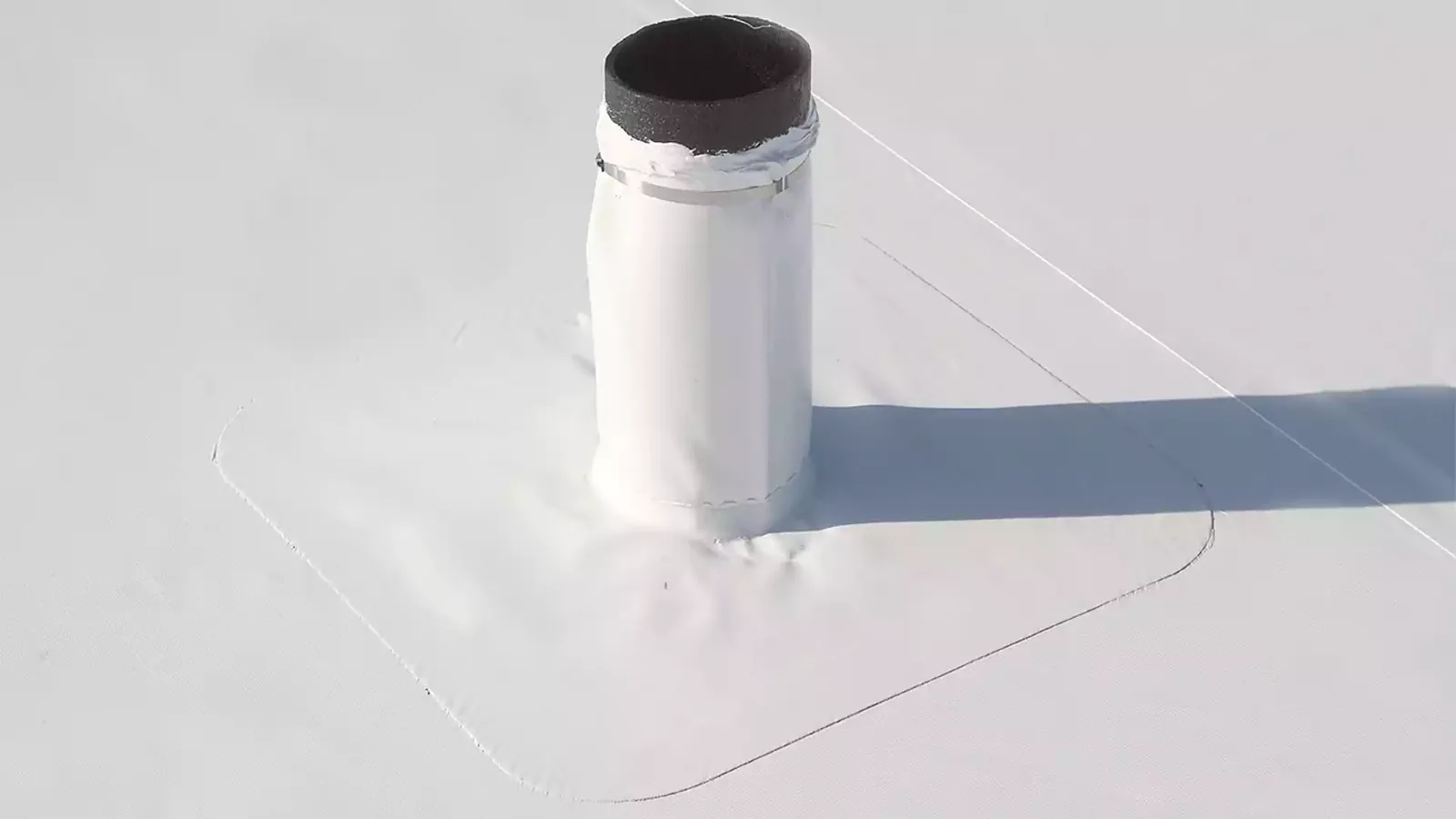
Pipes, conduits, exhausts, and equipment curbs create interruptions in the roof membrane. We inspect the boot or flashing collar, pitch pocket, counterflashing, sealant condition, and attachment to the substrate. Movement and vibration can loosen connections over time. Sealant exposed to sun and temperature changes can crack, separate, or lose adhesion. Around larger curbs, membrane flashing may need reinforcement at corners, and equipment service can disturb the roof detail.
A repair must match the membrane and the shape of the penetration. We remove loose or incompatible material, prepare the surface, and install a compatible flashing method with the required termination. A pitch pocket may need to be rebuilt rather than topped off. We also check whether water can drain away from the base, because a curb sitting in a low area is exposed to longer wet periods. For a curb that supports rooftop equipment, equipment support work may need to be coordinated with the flashing repair. The scope should clarify whether disconnecting or lifting equipment is included or requires a separate contractor.
Account for Allen's storm and heat cycle
North Texas summer heat and humidity place repeated stress on exposed membranes, sealants, and metal details. Thermal movement can open a weak connection at a curb or skylight frame. Spring storms bring hail and damaging wind across the Dallas-Fort Worth area, and wind-driven rain can expose gaps that stayed dry in calmer conditions. We record storm-related impact or displacement separately from aged sealant, prior repairs, and other conditions so the repair plan reflects what is actually present.
After heavy rain, inspect for new interior symptoms around openings and check that runoff is not trapped against the curb. Hail may damage a skylight lens or exterior flashing, and wind can shift a cover or flashing flange. A storm damage inspection can document surrounding roof conditions when the event affected several details. If active water is reaching occupied space or equipment, an emergency repair response can address urgent protection. The final permanent repair still depends on confirming the opening and selecting materials suited to the roof.
Coordinate work inside and above
Roof-penetration work may require access to occupied rooms, ceiling spaces, mechanical equipment, or controlled areas. A facility contact can identify sensitive equipment, production schedules, tenant restrictions, and required shutdowns. We plan material staging and roof access so crews can reach the detail without crossing fragile areas or obstructing service paths. Where the repair may release debris or water into the building, interior protection is arranged before the opening is disturbed.
For an office building near Watters Creek or an industrial property at 121 Tech Park, the schedule should reflect how the space is used and what equipment the opening serves. The crew coordinates with the relevant maintenance or mechanical contractor when work could affect an active unit or conduit. A written scope identifies the penetration, the flashing components, and any access or equipment work that is outside the roofing portion. Clear boundaries help avoid a completed roof repair being blamed for a separate equipment or interior issue.
Photograph the repaired transition
Closeout records the opening type, roof material, repair method, and observed surrounding condition. Photographs show the curb or pipe before and after work, including the flashing terminations and nearby roof surface. We identify any excluded glazing, equipment, or interior work and list conditions that need later attention. If the repair revealed wet insulation or a deteriorated substrate, the report notes whether that material was replaced or remains for further evaluation.
Allen building teams can use the record to plan future skylight maintenance and rooftop service. Recheck repaired details after major weather or equipment work, especially where foot traffic crosses the roof. A maintenance visit can include accessible curbs, boots, skylights, and seams. A condition report gives property managers a photo trail for each penetration and any follow-up work, which is useful when offices and industrial buildings have different roof layouts across a portfolio.
Commercial Roofing Questions
Is the skylight itself always the source of water?
No. The leak may come from the curb flashing, nearby membrane, frame, glazing, or another opening. We inspect the interfaces before choosing a repair.
Can you repair flashing around active rooftop equipment?
Often, with the equipment service team coordinated when needed. The scope identifies whether a unit shutdown, lift, or separate mechanical work is required.
Can you just add sealant around the penetration?
Only if the existing detail remains sound and the sealant is the designed repair. Loose flashing, failed boots, or wet materials need a broader correction.
What if water is still entering during the inspection?
We assess safe access and can arrange urgent protection when conditions permit. We record temporary measures separately from the permanent repair.
Do you replace commercial skylights?
We can evaluate replacement when frames, glazing, or parts are damaged or no longer practical to repair. The new curb and roof transition must suit the assembly.