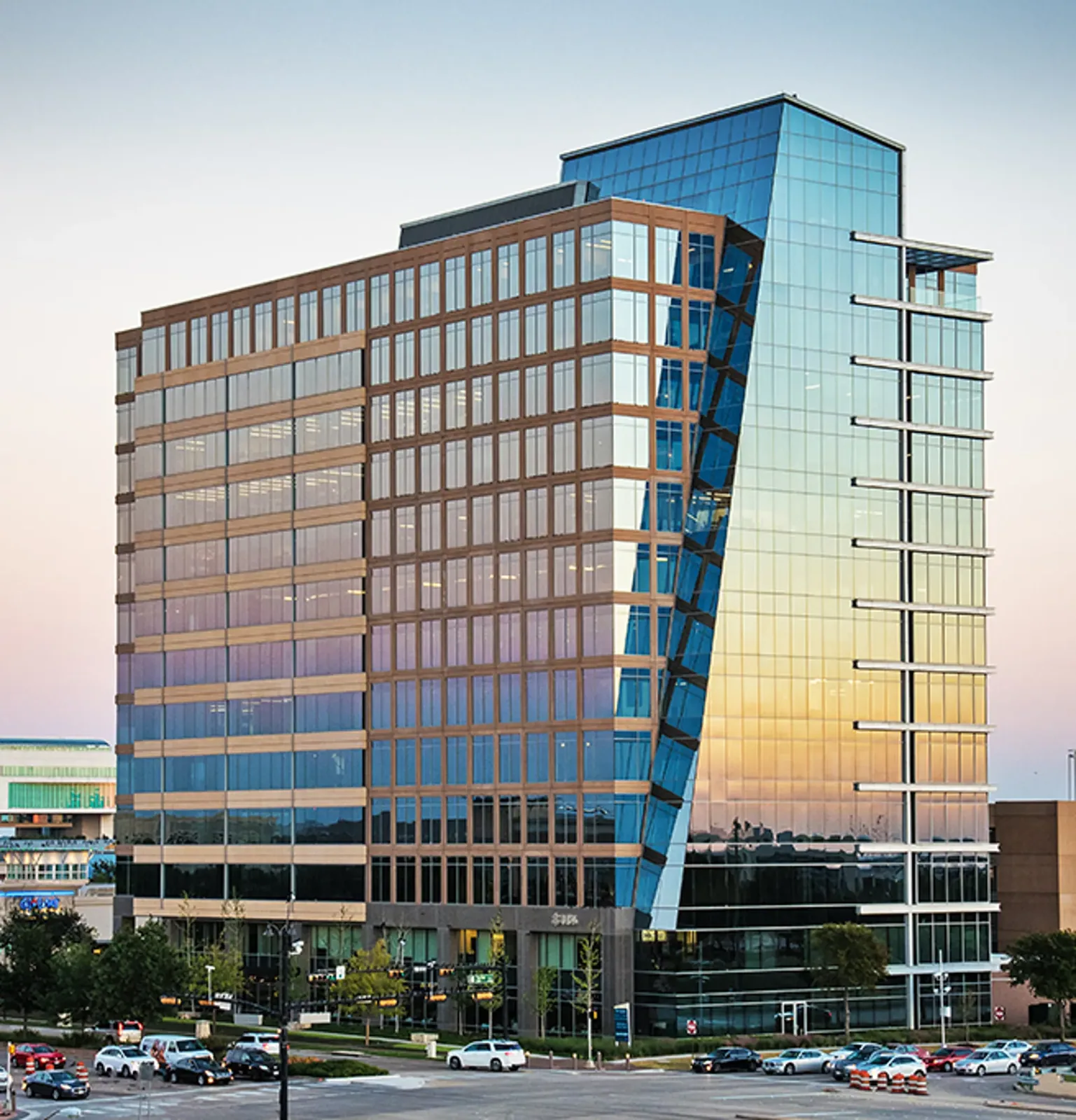
Commercial Roofing in Prosper, TX
Planned land use can guide a service route, but it does not tell us what is already on a building's roof. Prosper is a Collin County municipality with a local economic development corporation. Planned areas near the BNSF rail line and Dallas North Tollway include potential commercial, light-industrial, and warehouse uses. We treat those plans as context for access and future coordination, then inspect the specific property before selecting a repair. The assembly, drainage, and work window must be confirmed at the site rather than inferred from the town's growth plans.
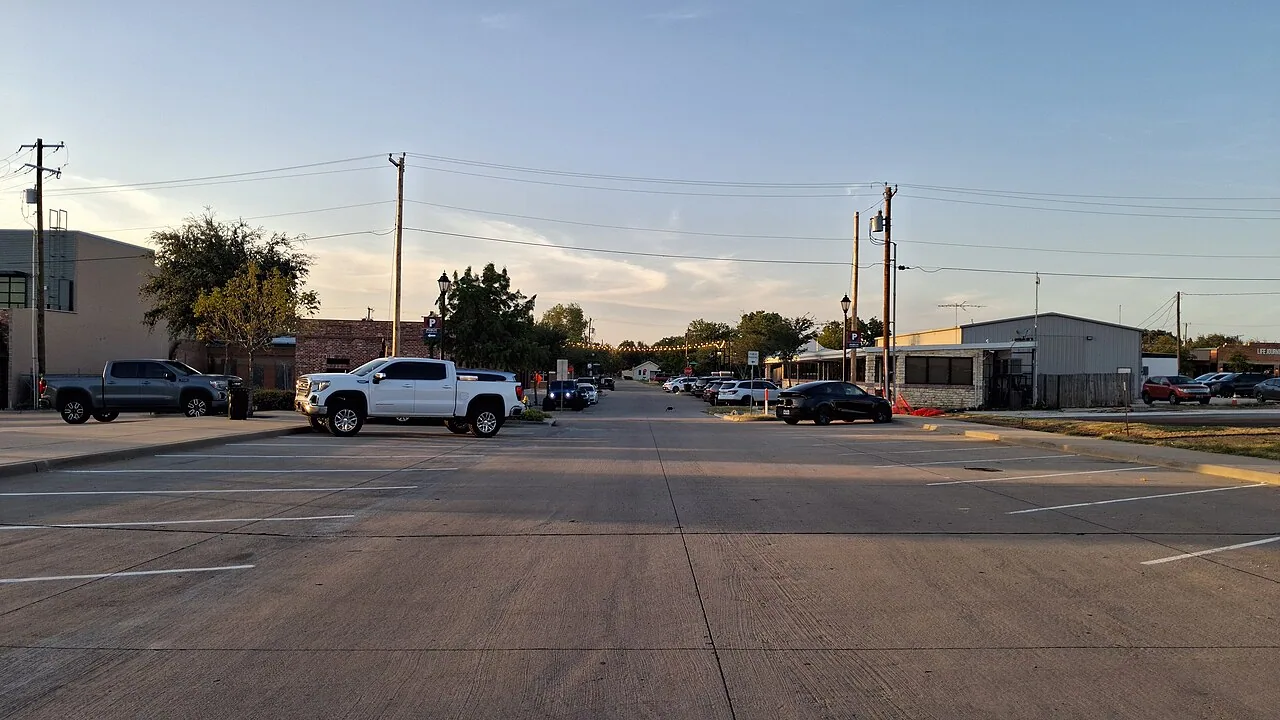
Separate town coverage from planned development
Prosper's planned-development inventory includes a Prosper Business Park district. The comprehensive plan describes potential commercial, warehousing, and light-industrial uses in an area near the rail line and tollway. Planned use is not proof of completed construction, occupancy, roof type, or current condition. If a service request identifies a business park property, confirm the current site name and building contact before dispatch. The Prosper Business Park service area can support scheduling while each roof assessment remains attached to the actual property. The McKinney coverage area remains a separate municipality.
On a growing commercial property, construction phasing and later rooftop equipment work can create different assemblies across buildings. Ask whether the roof has been repaired, coated, or altered since the last plan was prepared. Review any available closeout drawings and note where field conditions do not match them. The property contact should identify the access path, protected interior spaces, delivery limits, and equipment that cannot be interrupted. We will not treat a planned business use as evidence of installed roofing. A building-specific inspection establishes the details and distinguishes existing conditions from future project assumptions.
Trace water before defining the repair
An active drip may appear below a seam, curb, drain, or wall transition located several feet away. Water can follow insulation joints or the deck before reaching the occupied space. We compare the reported room with the roof slope and drainage path, inspect nearby seams and penetrations, and map visible conditions. Photos should include both the detail and enough surrounding area to identify it later. A commercial roof inspection can record what was accessed and whether moisture testing is needed before removal limits are priced.
Before entry, confirm roof hatch or ladder instructions, fall-protection procedures, interior escort needs, and who can authorize test openings. A multi-building property may have separate contacts or different roof access rules. If mechanical screens obscure the surface, mark that area as a visibility limit and schedule a return if it affects the recommendation. If a ceiling report is the only evidence, it is not enough to call the membrane failed or insulation saturated. State what is seen, what is suspected, and what inspection step could establish the concealed condition.
Use spring weather as a prompt, not a diagnosis
Severe weather activity rises in spring throughout the Dallas-Fort Worth area. Hail, strong wind, flooding, and tornadoes affect locations unevenly, so a report becomes a reason to check the Prosper property, not a conclusion about it. That pattern does not establish damage at a Prosper property. Following a reported event, we check accessible roof areas, edge conditions, equipment curbs, seams, and drains, then photograph observed changes. Compare current findings with earlier records when available. If water is entering, temporary protection may be necessary while the permanent scope is developed. A storm damage assessment should separate visible impact from existing wear and identify any areas not reached.
Hot summer days create a separate constraint for roof work: exposed surfaces and metal details can heat substantially, while afternoon convective rain can change the planned sequence. We consider access and material conditions before performing a weld, adhesive connection, or coating application. Drainage must be evaluated alongside any suspected opening because standing water may remain after a leak source is corrected. The report records outlet condition and whether wet surfaces limited testing.
Select materials only after roof identification
Commercial roofing products are not interchangeable. A membrane patch, asphaltic repair, metal panel detail, or coating needs preparation suited to the existing surface and substrate. We identify visible layers, attachment, insulation, flashing, drains, and edge conditions before recommending work. A new liquid coating cannot correct wet insulation or a failed drain connection. A repair scope should state the material, tie-in point, removal limit, and any testing that remains open. If existing layers are concealed, say what a test opening would establish.
Recovery can be evaluated only after verifying layer count, moisture, attachment, roof height, drainage, and current code constraints. Full removal may reveal deck or insulation problems that are hidden by the surface, but it creates a need for debris control, dry-in, and interior protection. For planned commercial construction near the BNSF line or Dallas North Tollway, do not assume the conceptual plan identifies a finished roof system. Coordinate specifications and edge details with the actual design documents. The owner should compare a TPO system or other assembly against the deck, insulation, access, equipment, drainage, and project schedule.
Plan access across active sites
A warehouse or light-industrial work area can remain active while roofing is underway, but truck routes, loading operations, and mechanical systems need coordination. Confirm where materials can be staged, how a lift will reach the roof, whether deliveries need a reserved window, and who controls the area below the repair. A phased work plan can separate zones and include a daily weather-tight close. If equipment must be shut down, identify the responsible vendor and the notice period before work begins.
Where multiple buildings share a site, group the visits by access and urgency but preserve separate roof maps and closeouts. A property manager should know which structure is receiving work, where crews will enter, and which areas may be noisy or restricted. If a test opening uncovers a different assembly, pause to confirm the added work and how the opening will be protected. At each shift end, report the section completed, temporary protection installed, and any inspection still required. This gives site staff a clear handoff and prevents an unfinished detail from being confused with permanent closeout.
Price the boundary the evidence supports
A local repair may be sufficient when the defect is isolated and adjacent material is stable. Multiple leak calls, moisture confirmed below the field, attachment problems, or deteriorated deck can push a repair plan toward larger renewal. We compare repair, recovery, and removal using the same roof area and state what remains unknown. A recover evaluation depends on the existing assembly, moisture, attachment, drainage, height, and code. A replacement estimate should identify insulation, edge details, equipment interfaces, access, and removal assumptions.
The work cost and schedule can shift with concealed materials, lift or crane needs, interior protection, disposal, weather exposure, and how long a building can tolerate noise or access restrictions. If a test opening is likely to change the quantity, price it as a decision step rather than making an unsupported assumption. An interim repair can address a current opening while a capital project is prepared, provided its limits and follow-up are explicit. The owner can then compare immediate risk control with a full renewal scope that accounts for the building's remaining operational requirements.
Preserve field evidence for the capital file
Keep the inspection map, dated photos, identified material, test results, approved scope, closeout, and remaining work together. If a later mechanical project adds a curb or abandons a penetration, record the change and arrange a roof-side check. For owners coordinating a second market, the Allen service area can be scheduled separately from Prosper; each property retains its own roof map and test findings. Mark the zones that were inaccessible and distinguish verified moisture from a suspected condition.
Commercial Roofing Questions
Does Prosper's development plan confirm a roof type?
No. We identify the installed assembly at the specific property before recommending materials.
Can an inspection cover several buildings in one business park?
Yes, if access is arranged, but findings and repair boundaries remain separated by building.
Does a Dallas-Fort Worth storm report prove our roof was damaged?
A regional report is context only. We inspect the property and state which areas were reached.
When is a roof recover considered?
Only after checking existing layers, moisture, attachment, drainage, height, and applicable code.
Can a warehouse stay open during roof work?
We coordinate truck access, staging, equipment, interior protection, and daily weather-tight closeout.