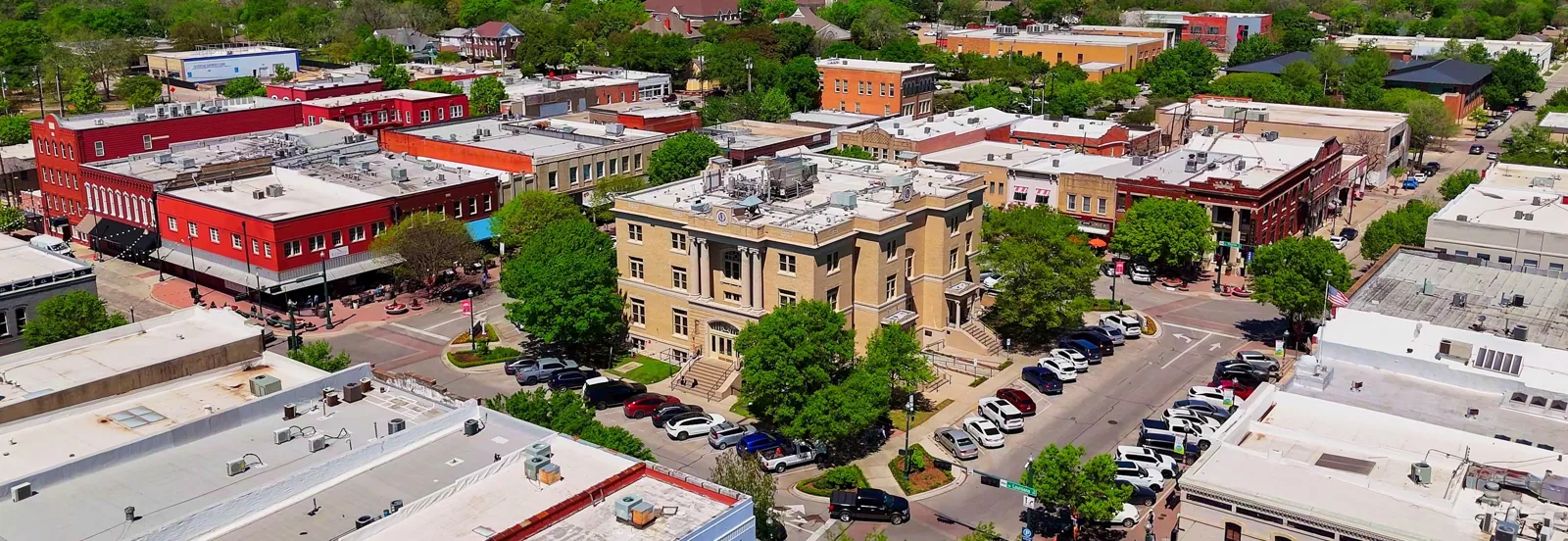
Commercial Roofing in Melissa, TX
A city in the service radius still needs its own roof record. Melissa is a Collin County municipality in the northern market around Allen. We confirm the property contact, access conditions, roof history, and reported issue before recommending a repair or renewal. That helps distinguish one site visit from a regional route plan. Because city-level facts do not identify a building's occupancy or roof material, the inspection starts with what is present and keeps the scope specific to the structure reached.
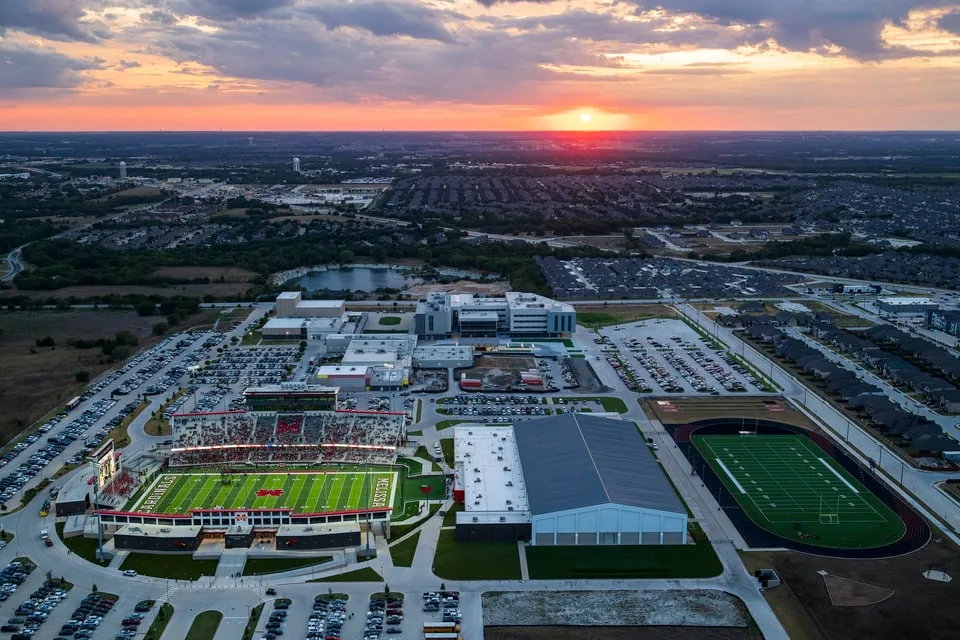
Keep regional weather out of the damage diagnosis
North Texas spring storms can bring hail and damaging wind across Dallas-Fort Worth, but a report for the region does not confirm that a Melissa property has been struck. After a property-specific alert or leak, inspect the actual roof and record open seams, punctures, moved edge metal, flashing condition, and blocked outlets. Compare current photos with the property's earlier maintenance file if one exists. If water is active, protect the opening while the permanent boundary is investigated. A storm inspection should separate observed impact from prior wear and untested areas.
Summer heat and Gulf moisture add recurring stress to exposed membranes, metal details, sealants, and drainage. The right response may be a repair to one transition, maintenance at an outlet, or testing around a suspected wet area. We check the roof surface under conditions suitable for inspection and record whether rain, heat, or restricted access limited what could be verified. A weather pattern is useful for scheduling review; the building-specific evidence determines whether work is needed and which roof zone should be included.
Route the visit by city and property
County references place Melissa in the northern Collin County market around Allen and list a local economic development corporation for the city. Use the city name to set the service area, then verify the actual building and responsible site contact. A coordinated visit may include the Celina route or a stop in Anna, provided the access windows line up. Reports remain independent: a finding at one property does not describe the next roof on the schedule.
Before dispatch, ask for roof plans, prior repair scopes, equipment work orders, leak dates, and any limits on staging or deliveries. A small commercial property and a multi-tenant building can have different approval paths even when they are nearby. Confirm who can let crews inside, who can authorize a test opening, and who receives a same-day update if the roof is not weather-tight. If property records use an old business name or tenant label, reconcile it with the current owner contact so the crew reaches the correct structure.
Trace the symptom through the roof
An interior stain gives a location to investigate, but water can travel along a seam, insulation joint, or deck before it becomes visible. We compare the report with the roof slope, penetrations, curbs, walls, drains, scuppers, and previous patches. A photo should connect a specific detail with a roof-zone label. If a concealed wet area could expand the work, moisture testing or a small opening may establish a boundary. A documented inspection notes the sections accessed, findings, and limits instead of calling an untested area sound.
If the building has a recent equipment change, look at the curb or penetration as part of the inspection. The roofer and mechanical vendor may have separate responsibilities, so document which interface was checked and who must correct it. At a drain, distinguish debris removal from membrane or outlet repair. At an edge, check the attachment and termination beneath the metal. These details show whether a repair can stay local or needs broader investigation. The report should name any additional access or testing required before the estimate is treated as complete.
Repair the layer that failed
A patch should fit the roof's actual material and surface condition. We identify membrane type, asphaltic layers, metal, coating, substrate, and attachment before choosing a weld, adhesive, fastener, or flashing treatment. Dirt, incompatible old repairs, or a loose base can prevent a durable tie-in. A coating will not fix wet insulation or poor drainage beneath it. The repair scope should state what is removed, what material is restored, and how the edge connects to sound roofing.
If the roof has several additions, do not assume every section was built with the same system. Mark transitions, roof elevations, and any area where prior layers obscure the original surface. Recovery may be considered only after evaluating moisture, attachment, layer count, drainage, roof height, and code. Tear-off exposes hidden material but brings weather protection, disposal, and interior safeguarding into the sequence. Compare those choices with the same roof boundary. If evidence is incomplete, show which test or opening could change the quantity before the owner authorizes a larger project.
Keep occupied space protected
The work plan should identify who controls roof access, where materials can be staged, which interior spaces need protection, and what operating windows apply. If a repair affects a tenant area, coordinate notification and a clear path for staff. A phased reroof plan can divide work into manageable sections and specify how the roof is closed at each day end. Coordinate any equipment shutdown with its service provider and confirm who can approve additional work if removal exposes a different assembly.
For multi-site owners, schedule urgent leaks first and align routine inspections around access and travel. Keep the property contact and roof key instructions attached to each work order, not in a generic route note. Before crews leave, report whether the repair is permanent, whether temporary protection remains, and what follow-up is needed. If rain interrupts the work, state the secured boundary and the next planned visit. This clear handoff matters to a manager who may not be onsite when the crew finishes and needs to know whether the affected space can return to normal use.
Compare short-term and capital work
A localized seam, curb, or penetration failure may support repair if the surrounding assembly is dry and stable. Repeated calls, broad moisture, poor attachment, or deck trouble can justify renewal planning. A recover decision depends on layer count, drainage, roof height, attachment, moisture, and current code. The recover evaluation and replacement estimate should identify assumptions about removal, insulation, edge details, access, and equipment.
Schedule and cost can vary with lift needs, disposal, weather exposure, protection below the roof, and the amount of work that can proceed without disrupting operations. A small opening may confirm whether wet insulation extends beyond the visible leak. If the budget cannot support full renewal immediately, define an interim repair's purpose and revisit date. The proposal should distinguish emergency stabilization from a long-term correction. That lets a building owner prioritize immediate exposure without losing the evidence required for a planned capital decision.
Leave the next reviewer a clear trail
Retain photos, the roof-zone map, identified materials, test results, approvals, work performed, and remaining follow-up in the property file. A roof condition report can provide a consistent baseline if it names the building and areas inspected. When a later trade changes a curb or conduit, add the date and request a roof-side review. Mark portions that could not be accessed and keep suspected moisture distinct from test-confirmed wet material.
Commercial Roofing Questions
Does a spring storm notice establish roof damage in Melissa?
No. We document impact only after checking the property.
Can a leak stain be used to set the roof repair boundary?
It points us to an area, but the entry and concealed moisture need inspection.
Can a nearby Celina visit use the same report?
No. Route planning can be shared; observations and estimates stay property-specific.
What if equipment work changed the roof?
We inspect the curb or penetration and identify which trade owns any correction.
Can repair work be staged while occupants remain inside?
We plan access, protection, work hours, and daily weather-tight closeout with the site contact.