Commercial Roofing in Anna, TX
Distance changes the dispatch plan, but the roof decision still depends on conditions at the property. Anna is a Collin County municipality north of Allen within the broader service radius. Commercial roof work starts with the building contact, access requirements, reported issue, and available roof records. After severe weather, we inspect the assembly and document the seams, flashings, drains, and edges before recommending a patch, recovery, or replacement.
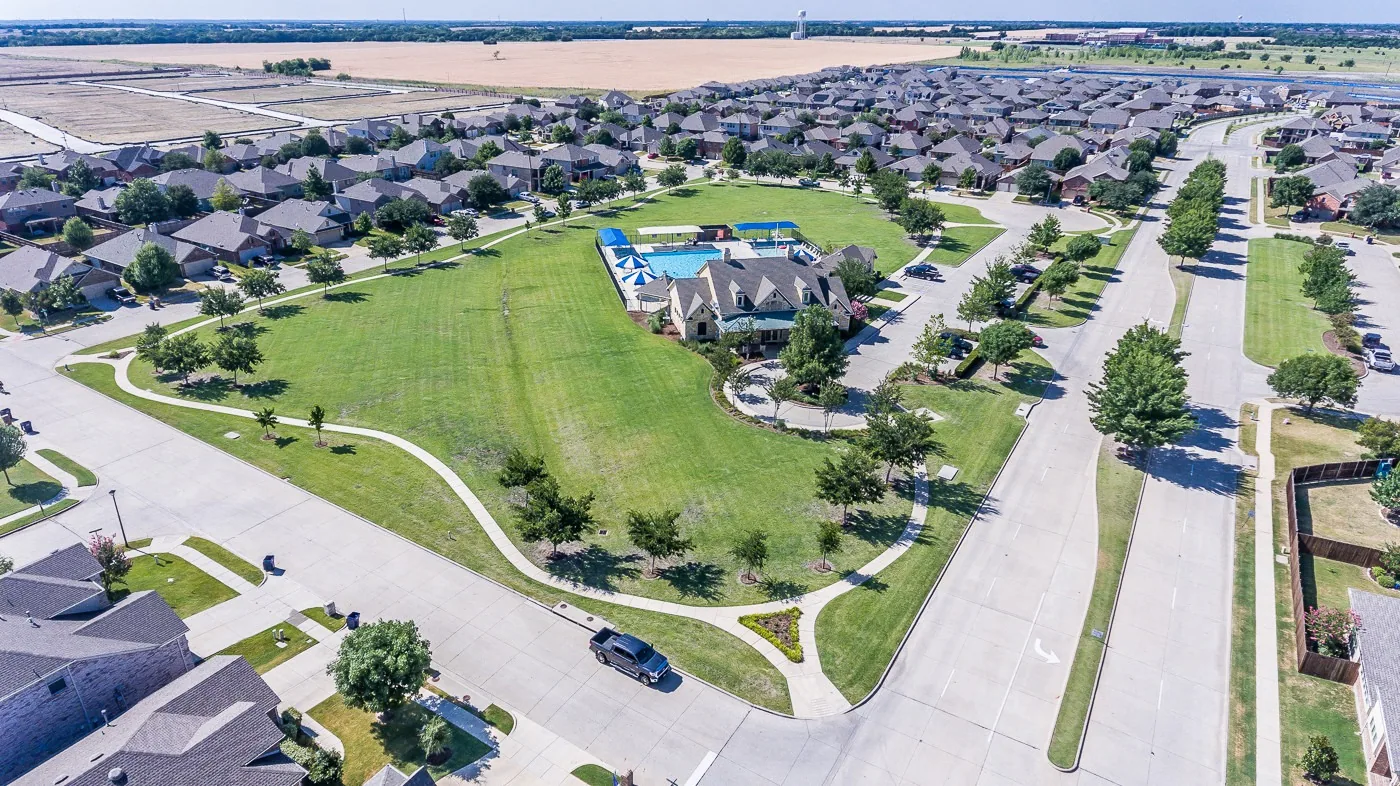
Coordinate roof access in Anna
Anna is a Collin County municipality north of Allen. Before a visit, confirm the building contact, roof access, and interior area affected. A regional schedule can also include Allen or McKinney, while each property keeps its own inspection and repair record.
For an owner with properties in multiple communities, route planning can group visits by urgency and access. The inspection report, estimate, and repair record still need to identify the building that was reached. Property types and roof assemblies vary across the area. Roof plans, earlier repair details, leak dates, equipment changes, and operating limits help us prepare a useful site visit.
Respond to weather with a property inspection
Spring is the Dallas-Fort Worth region's strongest severe-storm period, with hail, damaging wind, flooding, and tornadoes possible across the metroplex. After a storm or new leak, we inspect accessible areas, document visible conditions, and compare them with prior roof records. If water is actively entering, temporary protection can limit exposure while we define permanent repairs. If water is actively entering, temporary protection may be needed before a permanent repair is defined. A post-storm inspection should record the roof zones reached and any limit on access.
Summer heat also affects exposed roof materials and safe work timing. Metal details can move as temperatures change, while convective rain makes drains and water paths worth checking after a storm. We inspect seams, penetrations, curbs, parapets, edge metal, and outlets rather than treating a ceiling stain as the full diagnosis. If damage is suspected but not visible, targeted testing may be needed. The report distinguishes an observed opening from a suspected condition and says what test or return visit could resolve the question. This keeps the repair scope tied to conditions found on the roof.
Find the roof entry point before pricing repair
Water can travel from a roof opening through insulation or along a deck before it appears in a room. We compare the interior report with slopes, seams, drains, curbs, wall transitions, equipment, and earlier repairs. A close photograph of the stain does not locate the roof defect, so we map findings by roof zone. If concealed moisture could change the removal limit, use targeted readings or a controlled opening. A commercial roof inspection records what was inspected, what could not be reached, and the next step needed to scope the work.
Before the visit, identify who can provide roof access and whether the inspection requires an interior escort. If the building has multiple elevations or additions, separate them on the plan. Note any equipment that may require a service vendor or shutdown before work. We record visible membrane, metal, flashing, drainage, and substrate conditions and avoid describing hidden layers as intact without testing. When access is partial, the report explains that boundary so the owner can decide whether a return visit is needed before authorizing a larger project.
Base repair details on the roof that is installed
The repair method depends on whether the roof uses a sheet membrane, asphaltic layers, metal panels, foam, coating, or a combination. We identify the surface and substrate before selecting a weld, adhesive, fastener, flashing, or coating approach. A patch must bond to compatible material and stop at stable edges. If prior layers or repairs obscure the original assembly, a test area may be necessary. A commercial repair scope identifies the roof zone, material, tie-in, and any unresolved condition rather than pricing an assumed system.
Water at a drain or curb may require a different repair than a field puncture. Check the drain connection and surrounding membrane, inspect curb corners and flashing, and document the edge detail where the roof terminates. If insulation is wet, removing only the visible surface can leave the problem below. If attachment or deck condition is uncertain, state how an opening would change the work. The owner should be able to see which portions of the recommendation come from inspection and which depend on further testing before materials are ordered.
Schedule around access and occupancy
Before work begins, confirm access keys, a safe route to the roof, material staging, delivery timing, equipment restrictions, and interior protection. If staff or tenants remain in the building, identify which rooms sit below the work area and whether notice is needed. A phased roofing plan can divide the project into zones and define a weather-tight stopping point at the end of each day. If mechanical work is scheduled, coordinate penetrations and curb details with the vendor responsible for the equipment.
For an urgent leak, the first visit may focus on making the area weather-tight and documenting visible conditions. Permanent repair can follow after material compatibility and any concealed moisture are confirmed. Make clear who can approve extra work if an opening reveals a different deck or insulation condition. At closeout, record the repair area, material, photos, and any remaining test or return visit. A concise handoff helps a property contact understand what is complete and what still requires scheduling, especially when the person coordinating the roof was not present during the field work.
Choose a scope from the evidence
A local repair may address one failed seam, puncture, or flashing detail when surrounding material remains sound. Repeated leaks, broader moisture, poor attachment, or deck damage may justify replacement planning. Recovery is considered only when existing layers, moisture, drainage, attachment, roof height, and code conditions support it. We compare the options on the same roof boundary. A recover evaluation and replacement estimate should state removal, insulation, access, equipment, protection, and tie-in assumptions.
The scope also needs to identify what can change its cost or timing: test openings, hidden deck repair, material lead time, interior safeguards, debris removal, lift access, and weather exposure. If the building can only tolerate limited disruption, phased work may matter as much as the system selection. A temporary repair can reduce current water exposure, but the report should name what it protects and when it needs review. That helps an owner plan a capital decision with clear limits instead of treating a short-term measure as permanent renewal.
Retain roof history with the property
Keep the roof map, inspection photos, identified materials, approvals, test results, repair details, and closeout together. If a mechanical or electrical vendor changes a penetration, record the date and have the roof connection checked. A roof condition report gives a facilities contact a dated baseline for future service. Mark areas that were not accessed and distinguish confirmed moisture from an area that only needs more testing.
Commercial Roofing Questions
Does a Collin County storm report confirm damage at my building?
No. We inspect the property and document visible findings before describing damage.
Can you inspect a roof in Anna without prior roof plans?
Yes. Available plans and repair records help, but we can document visible conditions during the visit.
Why does a ceiling stain not define the repair area?
Water can travel through the roof assembly before appearing indoors, so the entry point needs inspection.
What if the membrane type is unclear?
We identify visible layers and may recommend a test area before selecting compatible repair materials.
Can we address an active leak before planning replacement?
Temporary protection or a focused repair can reduce exposure while the broader scope is evaluated.