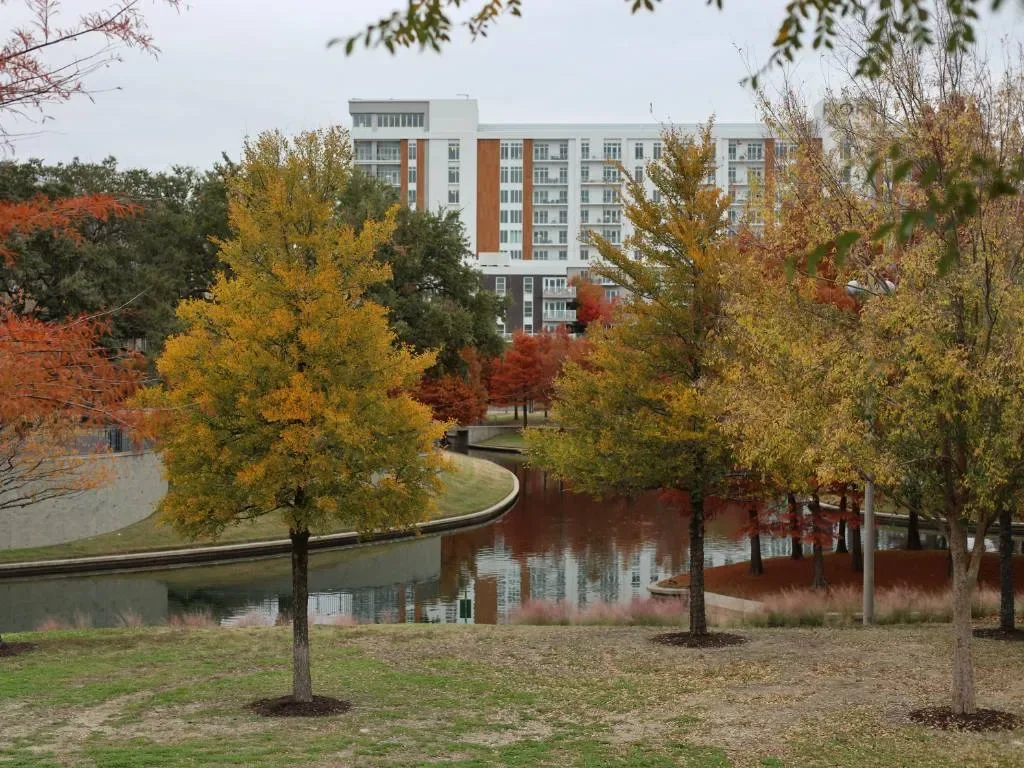
Commercial Roofing in McKinney, TX
Office and industrial parks, retail clusters, and manufacturing or distribution operations create varied commercial roof needs in McKinney, TX. US 75, SH 121, and US 380 connect McKinney commercial districts; retail clusters sit near US 75 and SH 121, alongside the broader 121 District. We inspect the roof at the specific property, verify its system, and plan repair or renewal around equipment, access, and work hours. At each property, we confirm the roof assembly, equipment, drainage, and access before selecting repair materials.
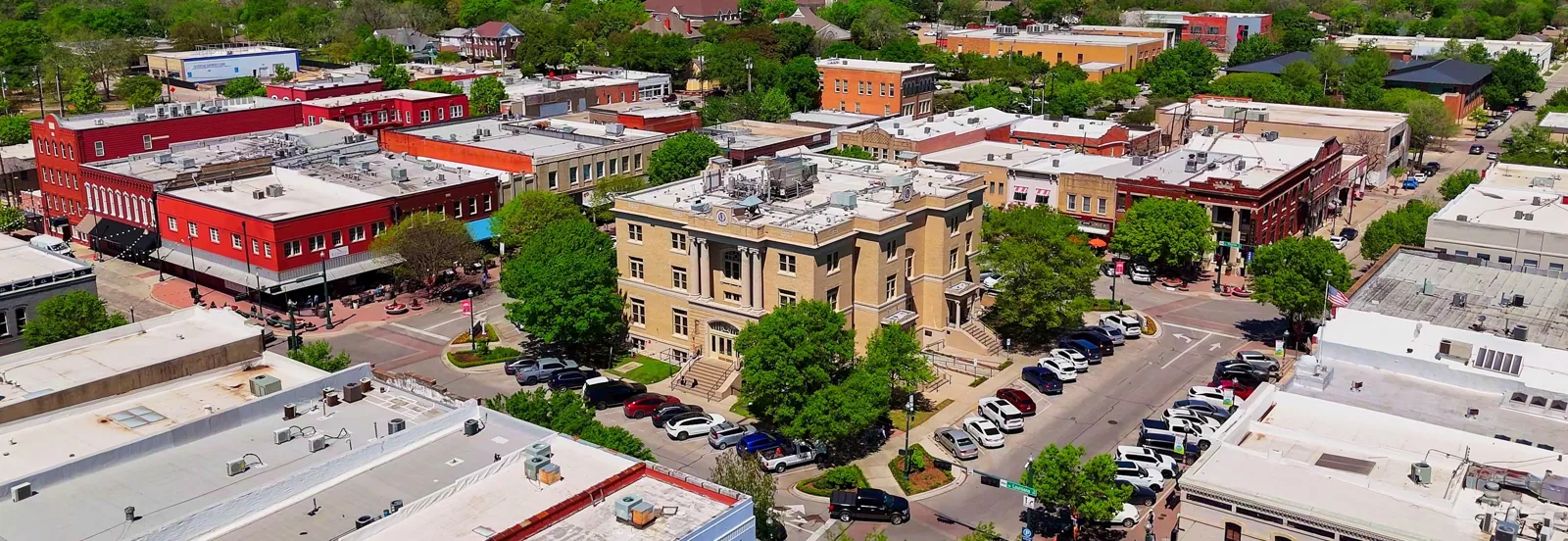
Plan service around McKinney's business districts
McKinney's commercial destinations include office and industrial parks, retail clusters, and the 121 District. Employers span manufacturing, distribution, food production, technology, and financial operations. These facts help set questions for access and work sequencing, not assumptions about any one roof. A property within Craig Ranch may need its own contact and roof record, while Allen can be coordinated as a separate service area. We identify each building and roof zone before combining inspections or bids.
The city’s mix of office parks and industrial parks supports different roof-planning questions. At an office site, confirm tenant access, interior protection, and mechanical equipment windows. At a distribution or manufacturing property, verify loading routes, shift schedules, equipment access, and space to stage materials. These operational facts determine how a visit is arranged, not which roof system is installed. We ask for the property contact and any prior repair file, then confirm roof assembly and condition through inspection. A business-sector label cannot stand in for what the roof reveals.
Inspect the roof and trace interior reports
A report of water in an office, production area, or retail space should be compared with roof slopes, seams, penetrations, drains, curbs, and earlier repairs. Water can move before showing indoors. We record where a symptom appeared and what roof details were checked, then distinguish observed defects from areas needing moisture testing. If rooftop equipment or a recent vendor visit changed a penetration, document that interface before setting the repair limit. A commercial roof inspection provides photos and a zone map for the building's next decision.
Coordinate work with loading and production
Distribution and manufacturing schedules can affect deliveries, lift access, equipment service, and the hours when a roof section can be opened. Offices and retail properties may have separate tenant notice or public-entry requirements. We confirm the site's operating contact, staging area, protection below the work, and who can authorize removal if concealed material differs from the inspection. The daily plan identifies how the roof will be closed if weather or another trade delays work. An occupied-building work sequence can phase roof activity while maintaining access to essential operations.
Where production or distribution continues, the work plan should identify what must remain available during roof repairs and what can be isolated. We confirm whether the roof opening is above inventory, controls, or active equipment and agree on protection with the facility contact. If a repair requires a shutdown or vendor coordination, name the approving person before mobilization. A temporary opening also needs a weather-tight end-of-shift condition. Those details allow the site to manage deliveries and production without assuming that every operation uses the same roof access or schedule.
Respond to regional weather with site evidence
Spring is the Dallas-Fort Worth region's most active severe-thunderstorm period. Hail, wind, flooding, and tornadoes occur across the metroplex, and hot summer days add heat exposure for roof materials. After a reported storm, we inspect accessible roof areas and document visible impact, displaced metal, open seams, blocked drains, or interior water. If active water needs protection, record the temporary measure separately from permanent repair. A storm-related roof assessment can update the condition record from observed findings.
Match materials to the installed system
A commercial roof may use TPO, PVC, EPDM, modified bitumen, built-up roofing, standing-seam metal, foam, or a coating. We identify the membrane or panel and examine attachment, flashing, seams, drains, and edges before selecting repair materials. A compatible patch must reach sound substrate; coating cannot correct wet insulation or a failed curb. If testing is required, show the sample area and how it will change the scope. A commercial roof repair identifies the affected system, removal limit, tie-in, access, and open testing rather than applying a generic repair to every building in a business district.
The inspection also notes whether the roof includes separate additions or different repair histories. A section added at a later date may not have the same attachment, drainage, or membrane as the original work. At an equipment curb, check the condition of the flashing and any abandoned penetrations. At a drain, distinguish debris removal from repair of the membrane or outlet. We map each observation to a roof area and state what testing was performed. A future bid can then price material and labor based on the actual scope rather than a citywide or tenant-based assumption.
Compare repair, recovery, and replacement
An isolated flashing failure or puncture may be repaired if surrounding materials remain serviceable. Recurring leaks, broad moisture, loose attachment, or deck deterioration may support a larger project. A new layer may be feasible only when the assembly is dry, secure, and compatible with current drainage and code limits. Full removal reveals concealed conditions but requires weather planning, debris handling, and interior coordination. We state what each option covers and which conditions need testing. A recover evaluation and replacement scope should name the buildings, roof sections, equipment needs, tie-ins, and assumptions.
For a project near US 75, SH 121, or US 380, verify the material delivery route and equipment staging with the property contact. The corridor helps describe how the city connects commercial districts, but it does not substitute for site measurements or roof access confirmation.
Keep reports and repair history by property
Store roof plans, inspection photos, material identification, repair records, closeout, and follow-up dates with the property file. When work crosses a tenant boundary or an equipment vendor has changed a curb, note who authorized access and what interface was inspected. If an owner manages several McKinney sites, a roof condition report can use a shared format without merging building-level findings. The next manager can see which roof sections were inspected, which were tested, and what remains open before scheduling capital work.
After work, record the material installed, the area removed, and the points where new roofing meets existing sections. If an opening revealed wet insulation or a damaged deck, preserve the test location and restoration steps in the closeout. For a multi-site owner, a shared schedule can identify which properties need inspection or repair, while the supporting photos stay with the correct building. That structure helps distinguish an open recommendation from completed work when a future budget review covers several offices, retail locations, or operating facilities.
Commercial Roofing Questions
Do you work on office and industrial roofs in McKinney?
We inspect commercial properties across the city. The roof system, access, and operations at the specific building determine the service scope.
Can one assessment cover multiple McKinney buildings?
Visits can be coordinated, but the report and repair boundary should identify each structure and roof zone separately.
Does a spring storm report mean we need roof replacement?
No. We inspect actual roof conditions and compare repair, recover, and replacement options from the evidence.
What affects roof project scheduling?
Access, equipment, loading and production windows, tenant notice, materials, testing, weather, and temporary protection can all affect the sequence.
What should we have ready for the roof inspection?
Provide the property contact, access instructions, roof plans, repair history, recent interior reports, and any equipment work underway.