
Commercial Roofing in Craig Ranch, McKinney, TX
Craig Ranch is a named business and mixed-use area in McKinney that includes the McKinney Corporate Center at Craig Ranch. The city also maps commercial submarkets around US 75 and SH 121. We provide roof inspections, repairs, maintenance, and replacement planning for properties in this broader district, confirming each building's use, assembly, and access needs before work is scoped. The location name does not establish which roof system is installed or whether a specific roof needs repair.
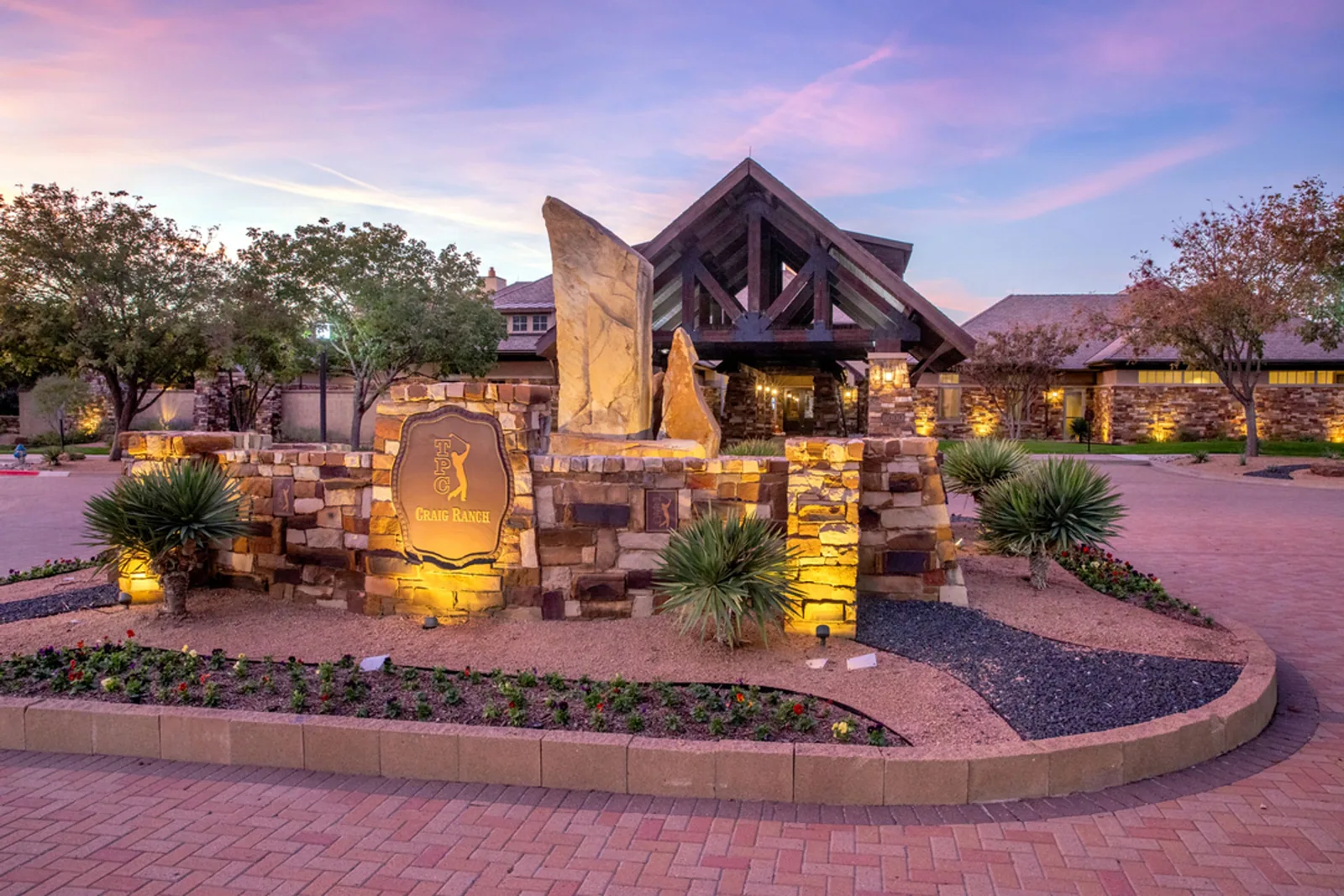
Keep Craig Ranch roof work property-specific
The McKinney Corporate Center at Craig Ranch is a named business location within a broader mixed-use area. Office, retail, and industrial roofs in McKinney face North Texas heat and spring storm exposure, but the roof type and condition vary by property. We map each finding to the building and roof zone inspected. The McKinney city service area can coordinate site visits across business submarkets, while Allen remains a separate municipality for reporting and scheduling.
A work request should identify which property contact is responsible for roof access and which building or unit reported the issue. The name Craig Ranch may cover several properties and functions, while an inspection concerns only the roof reached during the visit. We can group site visits by owner when access permits, but photos, repair estimates, and closeouts remain separate. If an owner also schedules work in McKinney's other business submarkets, use the shared route for efficiency without transferring one building's findings to another.
Trace leaks through the roof assembly
A leak appearing in an office or retail area may not be directly beneath the roof opening. Water can move through insulation or along a deck before it becomes visible. We compare interior reports with seams, curbs, penetrations, drains, parapets, and previous repairs. Photos should show the roof zone and nearby details, not only a close view of the stain or split. When moisture readings remain inconclusive, targeted testing or a small opening can show whether insulation or deck needs removal; any opening then needs a compatible permanent closure. A commercial roof inspection records what was checked, what remains concealed, and the next step.
Coordinate access around mixed-use activity
Office, retail, and mixed-use properties may have different access routes, tenant schedules, equipment service windows, and loading needs. We confirm the site contact, roof access procedure, staging area, and interior protection before setting work dates. If an opening reaches a concealed layer, the owner should know who can authorize added removal and how the roof will remain weather-tight. For phased work, identify each roof section and the tie-in between phases. An occupied-building work plan can organize access and end-of-shift closeout without assuming every building uses the same schedule.
Before work starts, confirm how a crew will reach the roof, where tools can be staged, whether loading activity limits a lift, and which interior space sits below the repair. If tenants remain in place, provide a notice window and plan the route around entrances or active service areas. A test opening may require additional protection or a mechanical shutdown; confirm who can approve those steps. At the end of each phase, the site contact should know what roof section was closed, what work remains, and whether any temporary detail needs a return visit.
Roof access details matter even when the repair itself is small. Confirm whether ladders, hatches, or a lift provide the approved route, and identify any fall-protection requirements before the visit. We also need to know whether rooftop units can remain in operation and who can coordinate with their service vendor. A repair near equipment may require a temporary shutdown or a separate trade, while work at a drain can affect the path water takes across the roof. These conditions belong in the scope because they change sequencing, protection, and the closeout inspection.
Check storm findings at the property
Spring is the strongest severe-thunderstorm season in the Dallas-Fort Worth region, with hail, damaging wind, flooding, and tornadoes occurring across the metroplex. A storm report does not show that a Craig Ranch building was struck. We inspect the roof after a reported event, document observed openings or displaced parts, and compare them with earlier repair photos. If water is active, temporary protection may be required before a permanent repair can be defined. A post-storm roof assessment describes actual conditions and does not transfer a finding from one building to another.
Use repair materials that fit the installed roof
Commercial roofs in McKinney may use single-ply membranes, bituminous layers, metal, foam, or coatings. We identify the installed system and substrate before selecting a patch or flashing method. Inspect seams, drains, curbs, edge metal, and rooftop equipment interfaces. A weld or membrane patch must connect to compatible, stable material. If moisture reaches insulation or deck, surface treatment alone may not restore the assembly. A commercial repair scope should define what is removed, how the new work ties in, and what test could change the boundary.
A roof section with a previous coating or patch may not accept the same repair material as the original membrane. We inspect the surface for contamination, oxidation, wet substrate, and layers that obscure the system. At a drain or curb, the repair needs to return to a secure membrane and maintain a path for water to leave the roof. If multiple systems meet at an addition, map the transition and confirm compatibility before materials are ordered. The field report names what is visible and what testing would verify the concealed assembly.
Compare local repair with renewal
An isolated defect may support repair when nearby material remains serviceable. Repeated leaks, wet insulation, loose attachment, or deck deterioration can require more extensive work. A second roof layer is a candidate only after confirming that the assembly is dry, firmly attached, drains properly, and meets current code; hidden defects can disqualify it. Tear-off exposes concealed materials and requires weather protection, disposal, and interior coordination. We compare the options using the same roof boundary and list assumptions. A recover assessment or replacement estimate should show the equipment, edge, drain, and access details that affect the property.
Keep inspection findings with the property file
Save the roof map, inspection photos, system identification, approved scope, materials, closeout, and remaining follow-up. If a mechanical vendor alters a curb or penetration, record the date and request a roof-side check. For owners with multiple McKinney sites, a roof condition report can use common fields while preserving each property's evidence. A roof file should distinguish a temporary cover from a permanent repair and show which areas were inaccessible. This gives the next facilities contact a dated record instead of a general note about the business district.
After a test or repair, record the date, method, photos, materials, and observed layers. If no opening was made, do not describe concealed insulation as dry or intact. Note which work items were completed and which remain pending owner approval. This history gives a later inspection a point of comparison and helps facilities staff connect service calls with the same roof section. It also prevents a report about one office, retail, or industrial property from becoming an unsupported general statement about Craig Ranch.
Commercial Roofing Questions
Does Craig Ranch refer to one building?
Craig Ranch is a broader business and mixed-use area that includes the McKinney Corporate Center. We confirm the specific property needing roof work.
Can a report about US 75 or SH 121 prove roof damage in Craig Ranch?
No. A corridor or regional weather report gives context. We inspect the actual roof and document evidence at the building.
Do you work on office, retail, and industrial roofs?
We assess the roof system and work conditions at each property. Use and district name do not replace field identification.
Can repairs be phased around tenants?
We can coordinate work zones, access, interior protection, and weather-tight shift endings with the property contact.
What do you need to price roof work?
Roof plans, system details, access conditions, inspection findings, repair boundaries, and any testing or removal assumptions help define the scope.
