Commercial Roofing in Farmersville, TX
A property in the wider Collin County service radius needs its own evidence before work is priced. Farmersville is a Collin County municipality with a local economic development corporation. Regional climate context can shape when a roof is reviewed, but it does not identify building stock or prove damage at a particular site. We confirm the property contact, access requirements, repair history, and reported issue, then inspect the assembly before recommending work.
Keep service coverage broad and property-specific
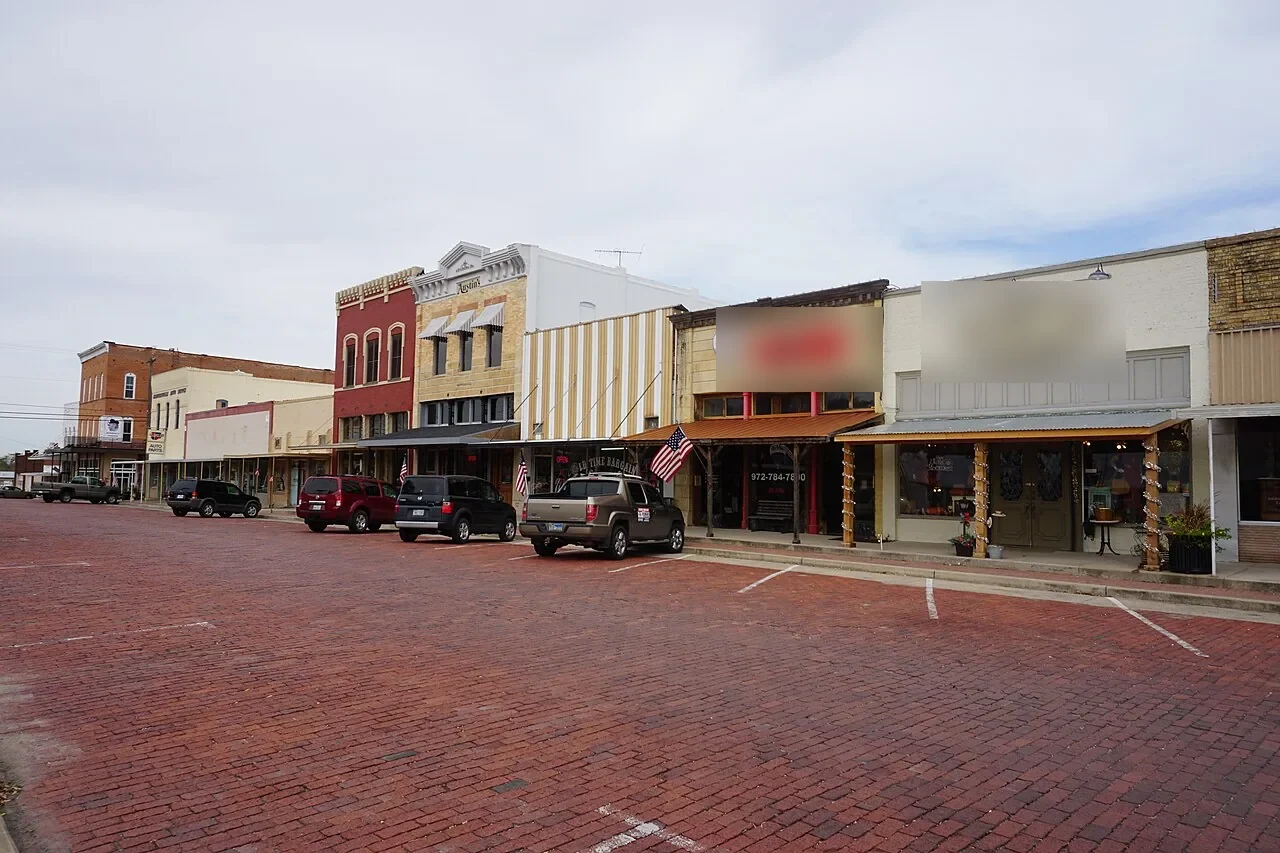
Farmersville is a municipal service area with its own local economic development corporation. Those facts establish a real municipal service area without tying roofing coverage to a single facility. A scheduled run can coordinate with Lavon or Princeton when access windows work, but each property needs its own report. Confirm the building name, owner contact, roof access, interior location, and any limits on staging before the crew leaves for the site.
Do not infer whether the property is an office, store, warehouse, or industrial facility from its municipal location. Ask for available roof plans, service history, equipment work orders, tenant information, and dates when water appeared. If an ownership file uses a different name from the current site sign, confirm which structure is included. A city-level service page should represent the surrounding market; the work order should identify the actual property. That distinction prevents a regional route from turning into an unsupported location or condition claim.
Let field evidence follow the weather report
North Texas has recurrent spring thunderstorms, hail, and damaging winds across the Dallas-Fort Worth region. That climate pattern supports prompt review after an event, but it does not show that a Farmersville building was affected. Inspect accessible edges, seams, drains, penetrations, and flashings after a property-specific report. Record visible change separately from existing wear. A post-storm roof review should identify the roof areas reached and the tests still needed.
Summer heat and humidity also affect exposed surfaces, sealants, and drainage. Plan inspections for safe roof access and suitable material conditions. After a convective rain, note whether water exits through the drain or remains near a low area. If a roof is wet or access is unavailable, state the limitation and arrange a return. A weather notice is useful for scheduling but cannot answer whether a seam has failed or whether insulation is wet. The owner needs a site record that distinguishes a reported concern from a confirmed roof condition.
Investigate the water path before pricing
Water can appear indoors away from the opening that admitted it. We compare the reported room with slopes, seams, drains, curbs, penetrations, wall transitions, and earlier repair areas. Photos should connect each detail to a roof zone. If moisture below the membrane could change the removal limit, targeted readings or a controlled opening may be appropriate. A commercial roof inspection records what was visible and what remains concealed.
Confirm roof keys or ladder access, interior escort needs, and who can authorize a test opening. Check whether screens or equipment block the view of a flashing detail. At a drain, look at the outlet and the membrane connection; at an edge, follow the termination under the metal. If the reported leak is intermittent, note when it occurs and compare that timing with rainfall or mechanical work. Do not call the entire assembly sound because one section was dry during a visit. The report should define the inspected boundary so a later estimate is based on what was actually reached.
Identify the installed material and its weak points
Before selecting a patch, determine whether the surface is membrane, asphaltic material, metal, foam, coating, or a combination. Check the substrate, attachment, prior repairs, flashings, drains, and curb details. A repair scope states what material is removed, how the connection will be made, and what needs verification. A surface treatment cannot correct a failed drain or concealed wet insulation.
If a roof has past overlays, the visible layer may not be the original system. Test compatibility before adding a coating or membrane patch. Recovery is evaluated against layer count, moisture, attachment, roof height, drainage, and code; removal requires dry-in, disposal, and interior protection. At a transition to a wall or adjacent addition, specify the tie-in rather than pricing only the field area. The owner should see how a local repair differs from renewal and which test could change the scope before work starts.
Plan access and weather-tight stopping points
Confirm material staging, roof access, work hours, interior protection, equipment shutdowns, and the person who can approve additional work. A phased work plan can define the roof zones and daily closeout. If a roof opening is above active space, protect the area below and coordinate notice with the site manager. Weather can interrupt a project, so specify where crews will stop and how the exposed boundary will be secured.
For scheduled visits across Farmersville and nearby municipalities, route planning can be shared, but access instructions cannot. Confirm who receives updates for the property and who will be present when a test is performed. If a test reveals wet insulation, document the sample area and get approval before extending removal. At shift end, report whether the repair is permanent, whether a temporary cover remains, and what inspection is due. This gives an owner a clear handoff even if the person coordinating service is not onsite when the crew finishes.
Compare a local fix with broader renewal
A failed seam, curb, or puncture may be isolated enough for repair when adjacent material is sound. Recurring leaks, widespread moisture, loose attachment, or deck damage may justify replacement planning. A recover assessment should account for existing layers, moisture, attachment, drainage, height, and code. A replacement proposal should identify removal, protection, access, and tie-ins.
The cost and timing can change with testing, lift needs, disposal, insulation replacement, interior safeguards, weather, and equipment coordination. If the owner must delay capital work, a temporary measure can manage an active opening while a fuller scope is prepared. Document its purpose, limits, and review date. The proposal should distinguish that short-term protection from permanent renewal so the facilities contact can understand what risk remains and what decision is still pending.
Preserve observations for later service
Keep the property map, dated photos, system identification, test results, approved work, material records, and closeout together. A roof condition report gives a later visit a baseline when it names the building and inspected zones. Record areas not reached and conditions that remain suspected rather than confirmed. Add a date when a mechanical vendor changes a penetration or curb, then arrange a roof-side check.
On a later visit, compare the same drain, edge, or seam when possible and record whether the repair remained intact. Note whether water stopped after drainage work or whether testing is still needed. If the owner tracks Farmersville with nearby markets, a portfolio summary can coordinate priorities while linking each finding to a separate property file. Municipal and weather context helps orient service, but the condition record must stay attached to the roof that was inspected.
Commercial Roofing Questions
Does spring hail risk prove a Farmersville roof was hit?
No. The inspection documents observed conditions at the property.
Can a site visit happen without roof plans?
Yes. Plans help, but the inspection can document visible materials and access limits.
What if water appears away from a drain or seam?
We trace the likely water path and test concealed layers when needed.
Can Farmersville and Lavon share one condition report?
No. Visits can be coordinated, but each building needs its own findings and map.
What should an interim repair record include?
State its location, purpose, limits, materials, and follow-up date.