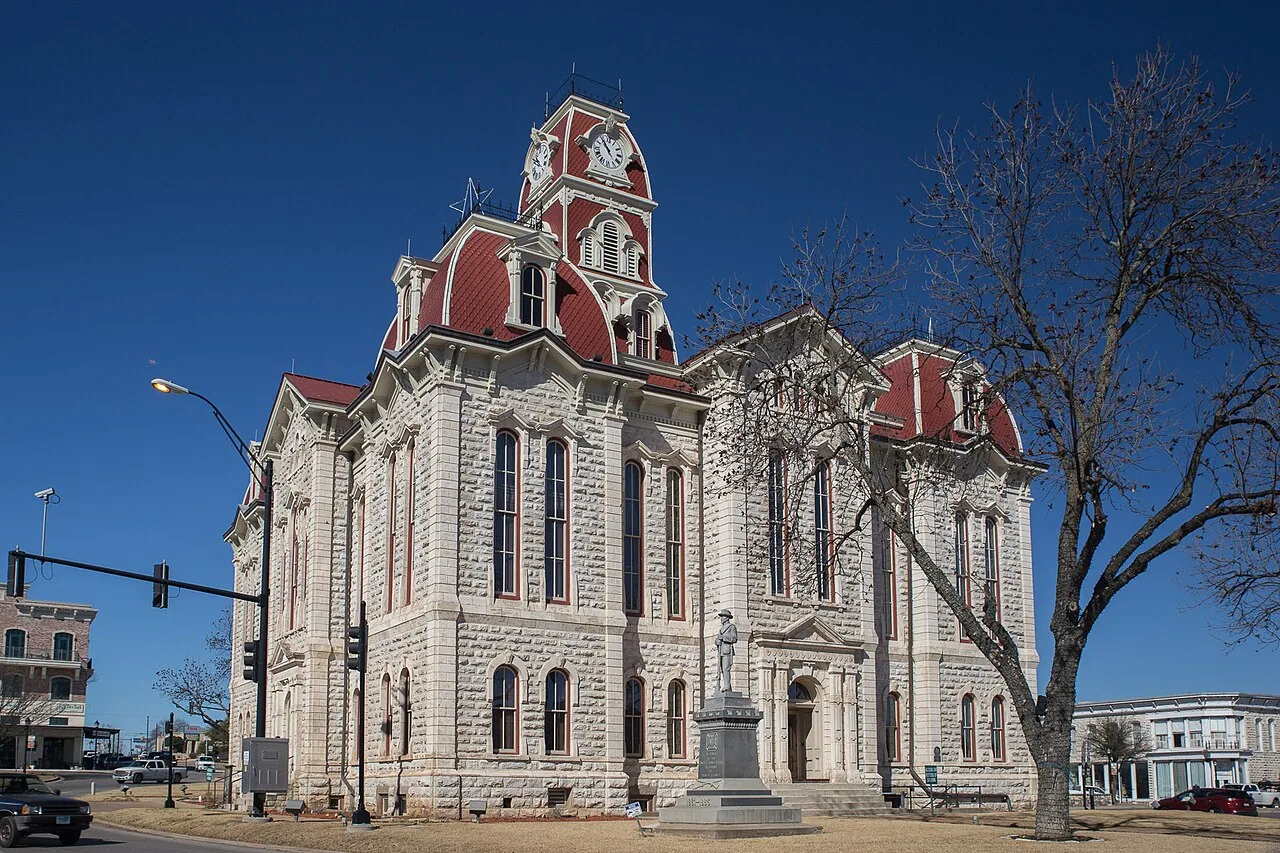
Commercial Roofing in Princeton, TX
A northeast Collin County route may connect several municipalities, yet each roof has its own maintenance history. Princeton is part of the broader east and northeast Collin County market around Allen. Regional summer heat and spring storms make inspection timing and dry-in planning part of the service sequence. We confirm the property and access contact, then trace the reported condition through the roof assembly before recommending repair or renewal. A useful scope records the building, roof zone, evidence, and remaining uncertainty.

Keep east-county properties distinct
Princeton is an east and northeast Collin County municipality with a local economic development corporation. When an owner has multiple properties, a route may include Wylie or Parker by appointment. That municipality-level service area helps coordinate visits; the field assessment identifies each building use and roof system. Confirm the site name, current manager, roof access, and interior report before crews are dispatched.
The property contact can provide any roof plan, prior repair, tenant notice requirement, equipment work order, or access restriction. Reconcile those records with the structure the crew will inspect, particularly if a portfolio uses owner-level site names. A route can group nearby work to reduce duplicate mobilization, but the photographs, repair estimate, and closeout should remain tied to one building. If part of the site is not accessible, record the limit and decide whether that uninspected area affects the recommendation before making a capital commitment.
Read the roof from symptom to detail
A ceiling mark may be a late sign of water entry. We examine roof slopes, seams, transitions, drains, scuppers, curbs, penetrations, parapets, and prior work to see how water could travel from the surface to the reported room. A focused photo should include enough surrounding context to locate the detail later. If the assembly below the membrane could change the repair boundary, targeted testing can establish whether moisture is present. The inspection report lists areas checked, evidence recorded, and questions that remain open.
Access conditions influence what can be verified. A roof hatch may require a key or escort, while equipment screens can block the view of flashing. Confirm whether interior access is necessary and who can authorize a small opening. If the roof is wet from recent rain, some observations or adhesion tests may need to wait for better conditions. The report should distinguish a dry surface at the visit from confirmed dry insulation. That wording helps an owner judge whether to authorize a local repair or pay for a broader investigation before work is scheduled.
Account for heat and spring storm patterns
Spring brings the greatest severe-thunderstorm frequency across Dallas-Fort Worth, where hail, high winds, flooding, and tornadoes can occur. After a report, we inspect Princeton roof zones at seams, flashings, drains, penetrations, and perimeter details. Document visible movement or impact and compare it with prior records when available. A storm damage review identifies the building and zones inspected and connects each recommendation to field evidence.
Repeated hot, humid summer days put thermal stress on exposed membranes, metal details, and sealants. Roof work also needs to account for surface temperature and the cure or weld conditions required by the selected material. Check drainage paths after convective rain and identify whether water is trapped by debris or by roof geometry. A follow-up visit can compare the roof after weather changes and identify what test, dry-weather inspection, or opening would resolve any remaining question before a larger repair is proposed.
Select a connection suited to the roof
Different roof materials need different repair preparation. We identify the membrane, asphaltic layers, metal panels, coating, substrate, and attachment before selecting a weld, adhesive, seal, fastener, or flashing detail. A repair that looks sealed at the surface can fail if it stops on loose or incompatible material. At drains and penetrations, the connection to the field matters as much as the visible opening. A repair scope records material, tie-in, removal limit, and any test that could alter the work.
If the property has multiple phases or additions, map their transitions rather than assuming a single assembly. A recover requires review of existing layers, moisture, attachment, drainage, height, and current code. Removal can reveal hidden insulation and deck conditions but requires dry-in, disposal, and interior protection. A coating may be considered only when the surface and underlying roof support it. Compare proposed systems against the actual deck, edge, curb, and drainage conditions. If those details have not been checked, list them as field verification instead of implying a final selection is already settled.
Schedule repairs against site operations
A repair plan begins with access, staging, operating hours, and who can approve a change in scope. Confirm where materials can be loaded, whether equipment must remain online, and which interior areas need protection. A phased repair schedule can sequence zones so daily work ends with a secure, weather-tight condition. If a penetration is near an HVAC unit or conduit, coordinate with the vendor who controls the equipment before work starts.
A regional route across east Collin County can group appointments, but a field crew still needs exact property instructions at each stop. Verify roof access, safety requirements, delivery timing, and contact availability for the individual site. If a test opening reveals a larger wet area, pause at the approved boundary and explain the added work before removal continues. The closeout records completed repairs, temporary protection, and unfinished items. That handoff lets a facilities manager plan the next mobilization without confusing one property's access constraints with another site's schedule.
Choose a repair window from verified conditions
A small seam or flashing failure may justify a focused repair when adjacent material is stable. Repeated water entry, broad moisture, poor attachment, or deck deterioration can require a larger project. We compare repair with recovery or replacement using the same roof limit and observed facts. A recover review should address layer count, drainage, moisture, and attachment; a replacement scope includes removal, dry-in, edge, access, and protection assumptions.
Cost and schedule depend on access equipment, material delivery, weather, interior safeguards, disposal, insulation replacement, and equipment coordination. A test opening can narrow an unknown condition before the owner chooses a full renewal path. If only a short work window is available, explain which repair can be completed safely and which should wait for a broader mobilization. An interim measure can reduce exposure, but it should not be described as renewal. State its limits and the date or condition that should trigger another review.
Make each service record actionable
Save the roof map, inspection photos, system notes, test results, approved work, materials, and closeout in the building file. A condition report can track the status across visits while preserving this property's evidence. Note which roof areas were not inspected and distinguish a suspected moisture zone from one confirmed by testing. When a mechanical trade changes an interface, add the work date and arrange a roof-side inspection.
Commercial Roofing Questions
Does a regional hail report tell us what happened on our Princeton roof?
No. We inspect the property and record what is visible before discussing cause.
Can nearby properties share an inspection report?
They may share a service route, but each property needs separate observations and roof-zone photos.
What if a ceiling stain does not align with a roof defect?
Water can travel within the assembly, so we compare the symptom with slope, seams, curbs, and drainage.
Can a coating solve a leak?
Only if the surface and underlying assembly support coating; drainage or wet insulation needs its own correction.
What information helps plan a repair visit?
Provide roof plans, access procedures, leak dates, prior work, operating windows, and equipment constraints.