Commercial Roof Insulation and Cover Board in Allen, TX
A soft area near a drain can point to wet or compressed insulation, not just a surface defect. In Allen, hot, humid summers and severe spring storms make the insulation layer worth checking whenever a roof is repaired or replaced. We determine whether existing material can remain, needs selective removal, or should be replaced across a larger area. The choice affects roof height, attachment, drainage, and the membrane above it. For offices around Watters Creek or industrial properties at 121 Tech Park, those assembly details should match the building's use and equipment. Schedule commercial roof insulation service in Allen when the roof feels soft, holds water, or is due for a system change.
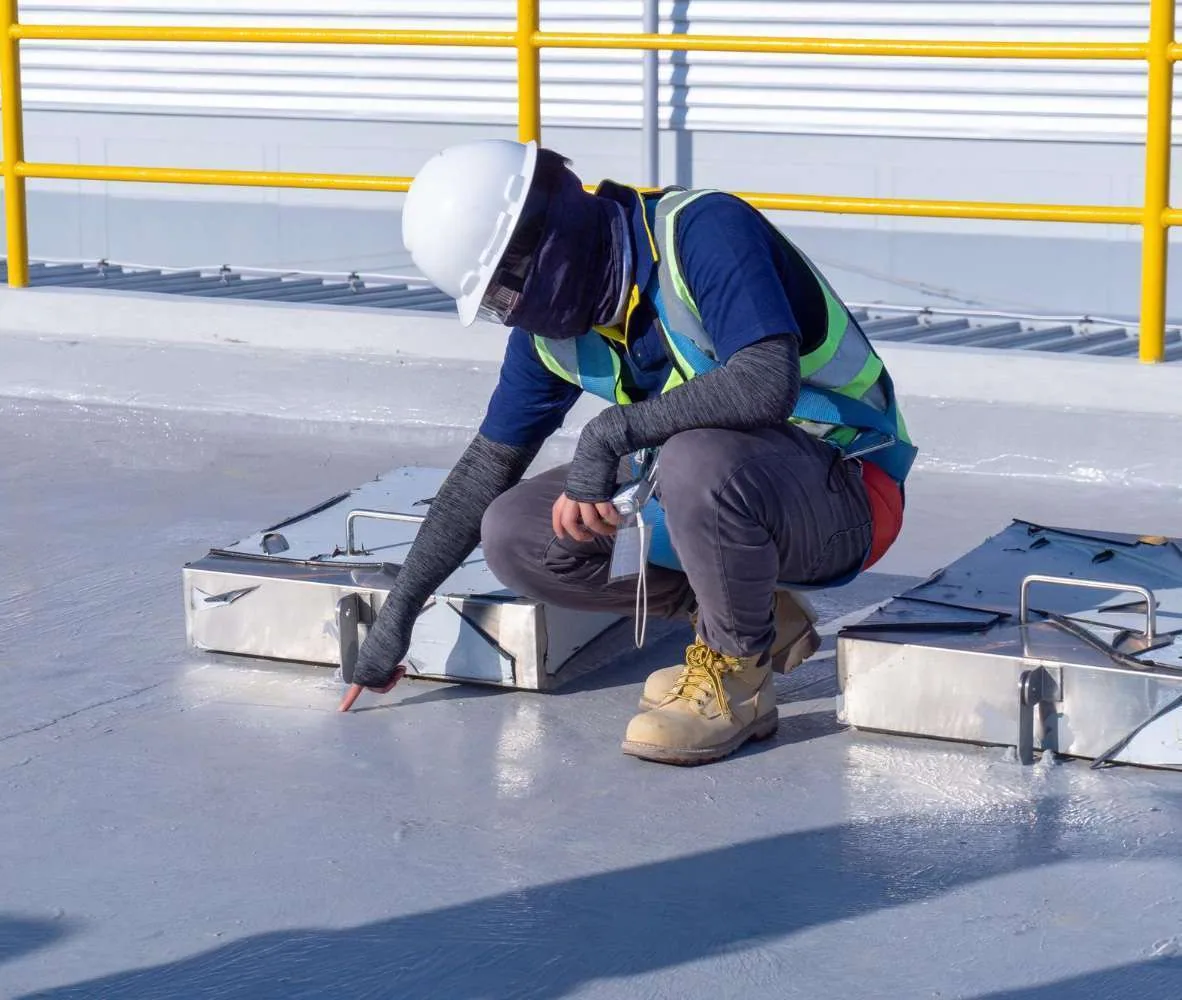
Map wet and compressed areas
Moisture can enter through a membrane opening, failed flashing, drain connection, or repeated condensation. Once it reaches insulation, it may spread beyond the visible ceiling stain. We inspect the roof surface and interior symptoms, then use appropriate testing or selective openings to confirm suspect areas. Thermal imaging can help locate temperature patterns that merit verification, but it does not identify moisture by itself in every roof condition. We explain the test method and its limits before recommending removal.
Wet insulation can lose insulating value, deteriorate, and contribute to deck corrosion or membrane instability. Compressed or damaged boards may also create low spots that keep water on the roof. We mark the affected area, identify the assembly layers that need replacement, and check whether surrounding material remains dry and secure. A moisture survey may help target openings, while a roof inspection records the membrane, seams, drains, and penetrations that could have allowed water inside. Each finding is tied to a location and a repair recommendation rather than an assumption about the entire roof.
Choose insulation for the roof system
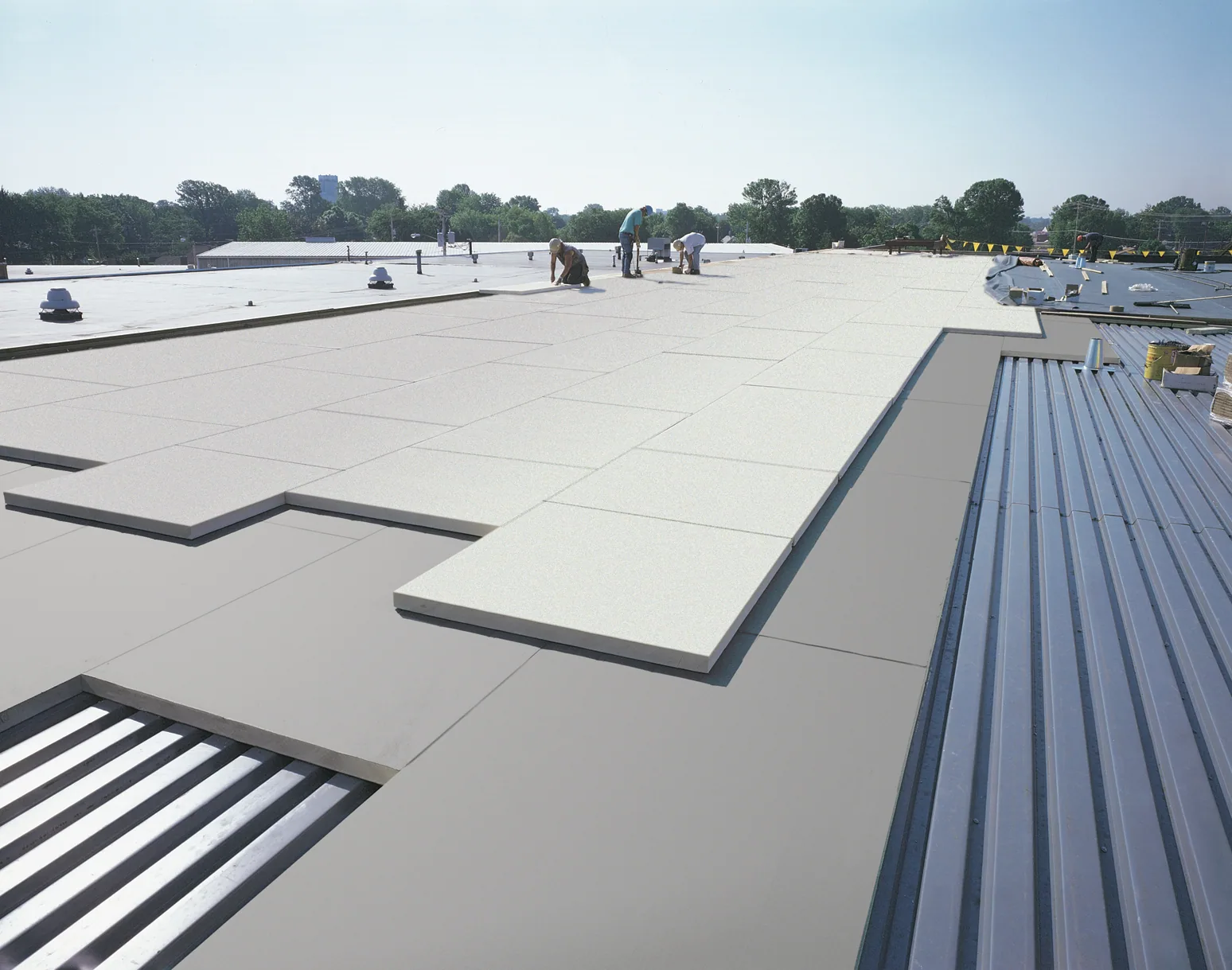
Insulation type and thickness depend on the roof design, existing construction, energy requirements, and intended membrane. Polyisocyanurate, expanded polystyrene, and other board products have different properties and compatibility constraints. A cover board above insulation can improve the surface for membrane attachment and provide a firmer substrate, but it does not replace damaged insulation below. We select an assembly that works as a complete roof rather than treating each board as an independent purchase.
Attachment may be mechanical, adhered, or part of a tested assembly. The deck material, existing layers, building height, and wind exposure influence the design. Fastener patterns and board joints need to match the system requirements; gaps, misaligned seams, or inadequate fastening can telegraph through the membrane or reduce resistance to movement. Where roof replacement is planned, a replacement scope can include insulation removal and a new board build-up. If a recover is viable, a recover review checks whether the existing assembly can support added material and whether roof height or edge details must change.
Preserve drainage and roof height
Adding insulation changes the finished roof elevation. That can affect drains, scuppers, doors, curbs, wall flashing, expansion joints, and edge metal. We check how a proposed build-up meets these details and whether the new surface will direct water to its outlets. Tapered insulation can improve slope toward a drain when the design and structure allow it. It cannot correct a damaged deck or concealed piping problem without addressing those underlying conditions.
At a drain, the membrane and insulation must terminate at the bowl without creating a raised lip that traps water. At a parapet, the new height can reduce flashing clearance or require new coping and termination metal. Equipment curbs and door thresholds also need enough height above the finished surface. A drainage review can identify outlet adjustments, while edge metal work may be needed to keep the perimeter secure after the roof assembly changes. These interfaces are part of the insulation plan, not later trim items.
Balance thermal goals with roof details
Insulation reduces heat flow through the roof, but the building result depends on the complete assembly, air leakage, HVAC operation, internal loads, and roof condition. We can describe the specified R-value and the layer arrangement when those are established for the project. We do not assign energy savings without a building-specific analysis. In Allen's long hot season, roof exposure and insulation quality affect rooftop heat transfer, while winter conditions still matter for condensation and comfort.
Code requirements and local amendments should be confirmed for each permitted project. Existing buildings may have different constraints from new construction or a major reroof. The design team may need to review assembly classification, fire performance, vapor control, and compatibility with the roof membrane. We coordinate the insulation scope with the selected system and the building schedule so removal does not leave occupied spaces exposed. For a TPO roof assembly or another membrane system, the chosen cover board and attachment method must fit that system's published installation requirements.
Install a stable, dry substrate
Before new boards are placed, the deck must be suitable and the roof area protected from weather. We remove wet or unsound material within the agreed limits, inspect the exposed surface, and report conditions that change the scope. New boards are laid with joints offset as specified and fastened or adhered according to the approved assembly. The work sequence limits open roof area, protects building contents, and coordinates with rooftop equipment and drainage.
Board surfaces must stay clean and dry before the membrane is installed. The crew checks alignment, attachment, gaps, transitions, and the finished elevation around curbs and drains. If substrate conditions differ from what was visible during estimating, we pause at the affected area and document the finding before extending removal. That lets the owner decide whether to proceed with added work. Dallas-Fort Worth summer heat can make roof access difficult during the hottest hours, so scheduling also accounts for crew safety, material handling, and membrane installation limits.
Record the roof assembly
Closeout identifies the insulation and cover board installed, their locations, the attachment approach, and any areas of existing material left in place. Photographs show the exposed deck where opened, board layout, drain and edge transitions, and finished membrane. We note any roof-height condition or unresolved area that needs a later check. Product information and applicable project documents should remain with the building record for future repair or warranty questions.
For Allen portfolios that include office, retail, technology, and industrial properties, assembly records make it easier to compare roof decisions without assuming the same insulation suits every building. A roof condition report can pair installation documentation with remaining repair needs. Keeping the insulation scope connected to roof photographs and closeout notes gives the facility team a sound basis for later capital planning.
Commercial Roofing Questions
Can new insulation go over wet roof boards?
Wet or unsound material should be evaluated and typically removed from the repair area. Covering it can leave moisture and instability inside the assembly.
Does cover board replace roof insulation?
No. Cover board provides a substrate layer for the roof system. It does not provide the same function as the specified insulation below it.
Can tapered insulation fix ponding water?
It may improve slope when the deck and drain arrangement support the design. Persistent ponding also can come from structural deflection or blocked drainage.
Will adding insulation require new edge metal?
Possibly. Added roof height changes the tie-in at parapets, drains, curbs, and perimeters. We review each transition before installation.
How do you know where insulation is wet?
We combine visual review with appropriate moisture testing and confirm suspect areas through targeted verification when needed. No single test fits every assembly.